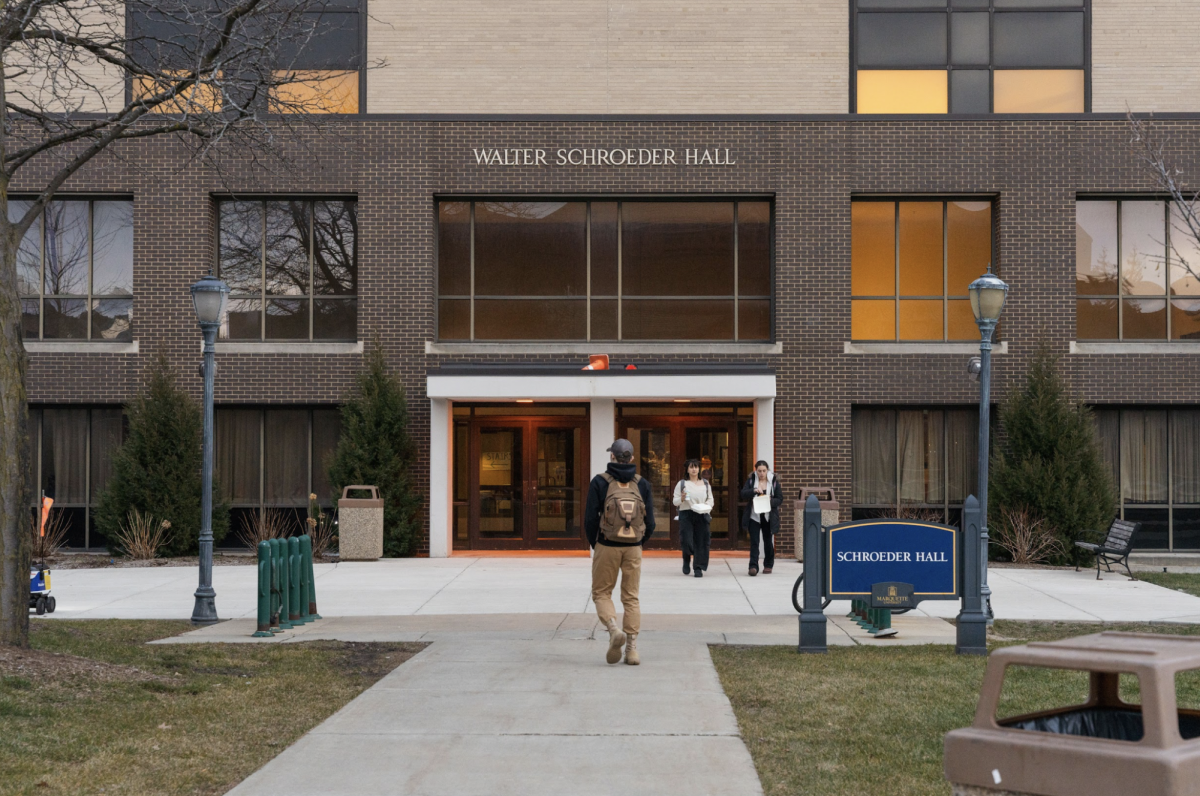
A female Marquette University student was robbed and sexually assaulted on Marquette’s campus on Feb. 18, sparking university-wide concern for safety.
The male suspect fled northbound on 14th Street after the attack, and the Marquette University Police Department released security footage of the suspect alongside a request to the public to help locate the offender. As of Feb. 23, a suspect was taken into custody on unrelated warrants.
The incident raises the question: what steps could Marquette have taken to prevent the incident and prioritize student safety?
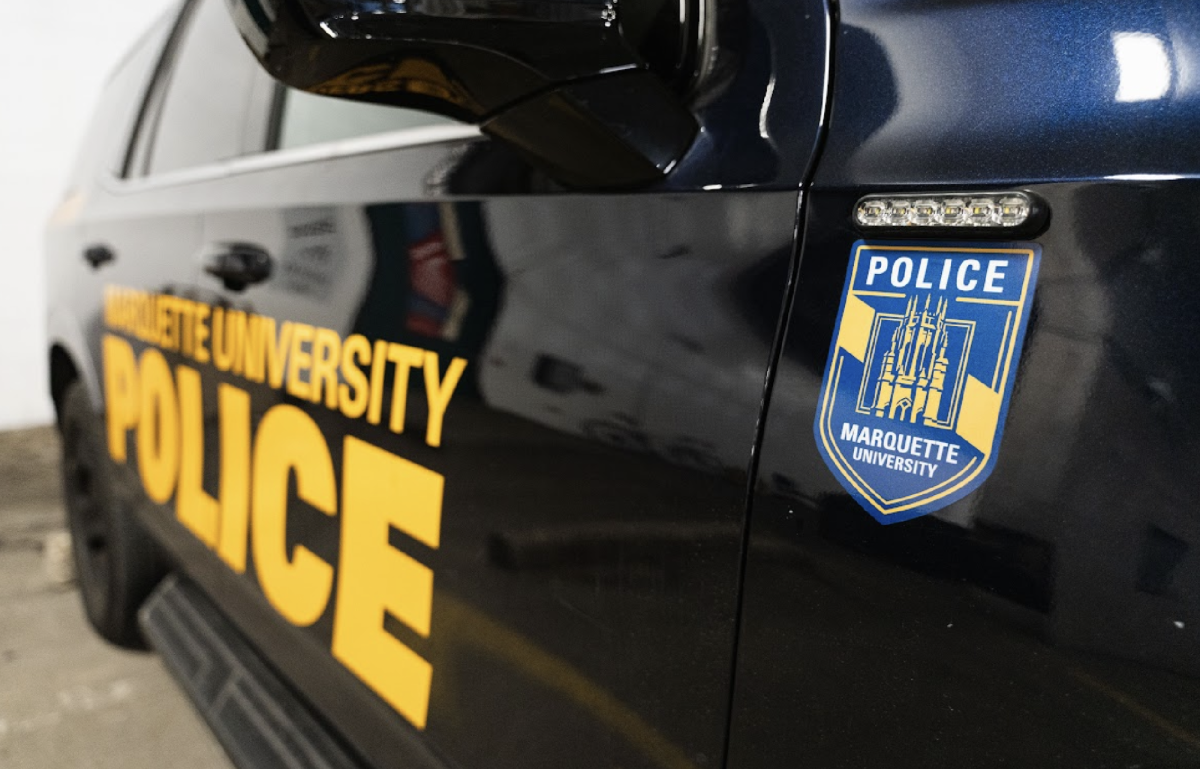
MUPD claims to have a vision to use “innovative police practices that foster a safe environment in which to live, work and learn,” but more needs to be done. The university has had a strong focus on regulating public and underage drinking recently, but it is not directing enough attention to daily student protection. All-encompassing student safety must always be at the forefront of the department’s agenda.
Not all students have experienced city living or encountered the possible dangers that come with it, something the university needs to acknowledge.
Marquette requires all first-year and transfer students to complete Red Watch Band training, a bystander intervention program that teaches students the symptoms of alcohol intoxication and how to seek help. Failure to complete the training results in a hold on the student’s CheckMarq account, preventing them from registering for classes.
The university also offers free self-defense classes for students, faculty and staff, which teach “simple strategies for escaping potentially dangerous situations.” While this option is available to students, it is not required like RWB training, further emphasizing Marquette’s prioritization of alcohol-related matters.
Additionally, for National Marquette Day 2026, MUPD planned for the university event by bringing in additional uniformed and non-uniformed officers to monitor campus drinking activity. It was in response to last year’s NMD, which yielded 29 alcohol-related calls and 14 hospitalized students. The department made a proactive decision with planning for this year’s NMD, but that dedication is not applied to year-round campus safety.
The matter of student safety — an everyday concern — deserves the same level of recognition and commitment that NMD — a single day of the year — received.
In 2022, under the leadership of President Michael Lovell, the President’s Task Force on Community Safety approved 12 proposals to implement safety solutions, but there has not been reported progress. The website has not had any updates, news or announcements since then.
Students, especially women, have shared concerns about their personal safety around campus. They are told to walk in pairs, but a walking buddy is not enough at times. Marquette’s free ride service, EagleExpress, operates from 5 p.m. to 3 a.m. daily and is an alternative to walking alone at night. However, its effectiveness diminishes when the wait time to receive a ride can exceed 30 minutes.
The lack of campus safety and security is causing fear — a real fear that is weakening student trust in our police department. We need reassurance, and we need change.
It may be a matter of transparency. MUPD only sends safety alert text messages “if there is an active threat to campus or if there is a significant police presence.” A higher level of communication about dangerous or crime-related matters of any capacity may strengthen student confidence in MUPD carrying out its mission.
The department should also consider increasing the physical presence of officers on campus — not just on NMD. The university has over 450 Blue Light phones located across campus that immediately connect callers with MUPD. However, instead of relying mainly on electronic communication, more officers should be stationed across campus, ready to respond to a scene.
Whether it is increased patrolling, higher officer presence or additional training, initiative must be taken. With an endowment worth over $1 billion and rising tuition, Marquette should consider dedicating more funds to campus police.
Marquette University, protect our campus; protect our students; protect our people.
Editorial topics by the Marquette Wire are decided at weekly meetings between members of the executive board. The editorial is crafted with leadership by the Executive Opinions Editor. The executive board consists of the managing editor of the Marquette Tribune and executive print editors, including news, sports and arts & entertainment.