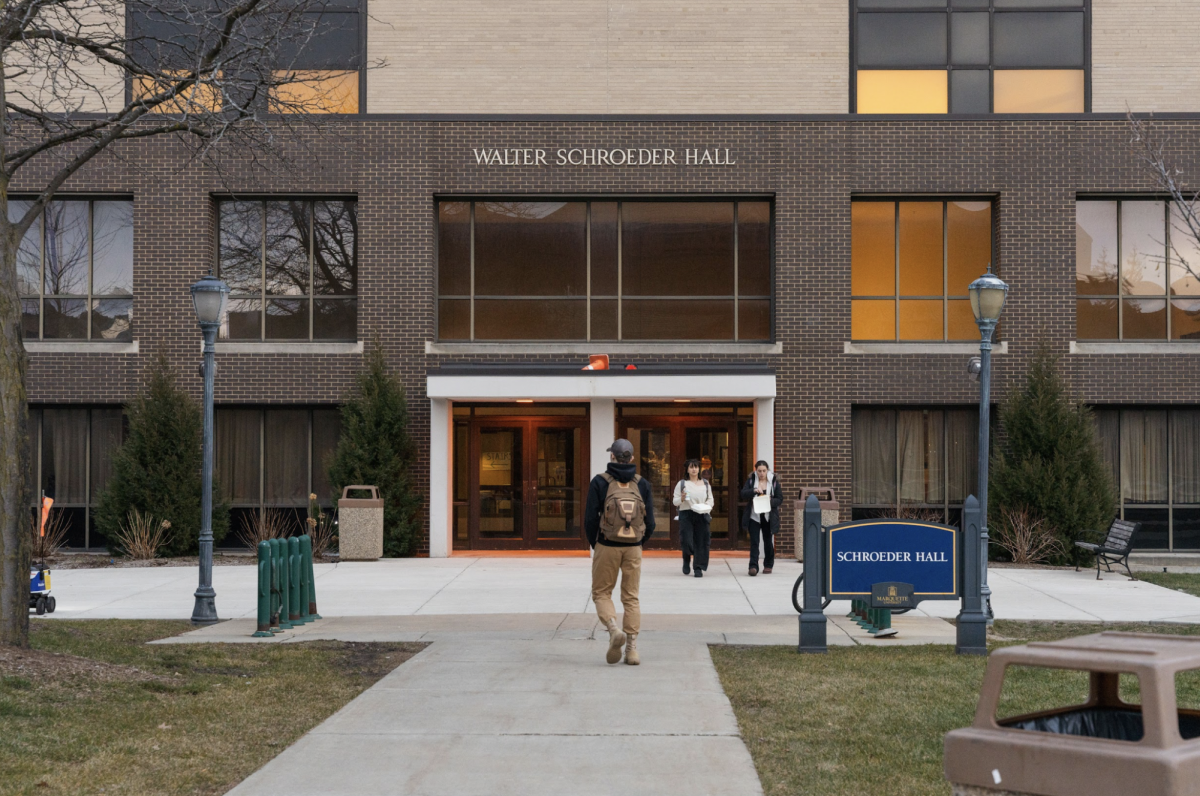


Rachael Meldman placed her keys between two fingers as she walked out of Schroeder Hall at 7:15 p.m. on Feb. 18.
“Head on a swivel,” she reminded herself.
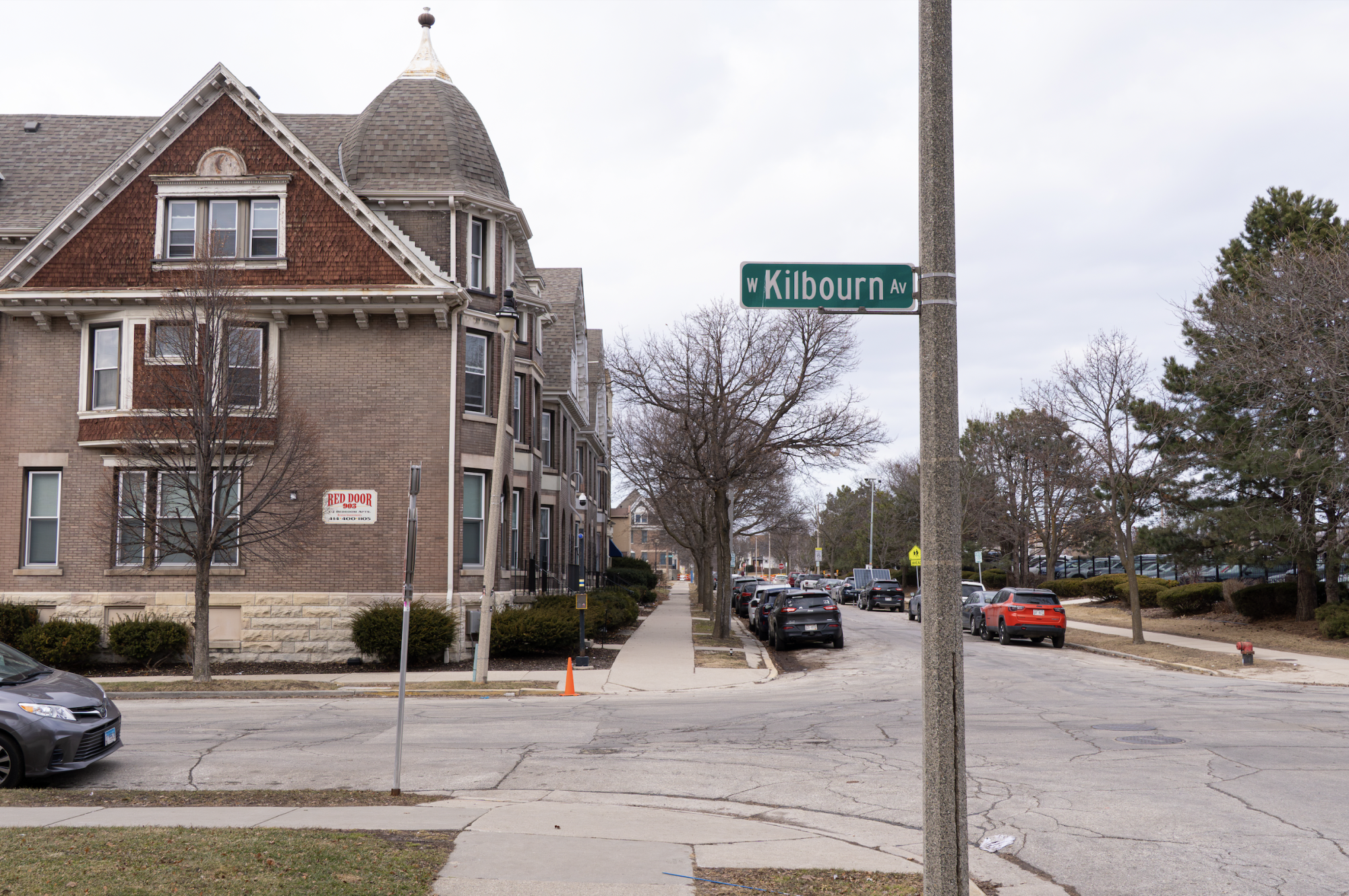
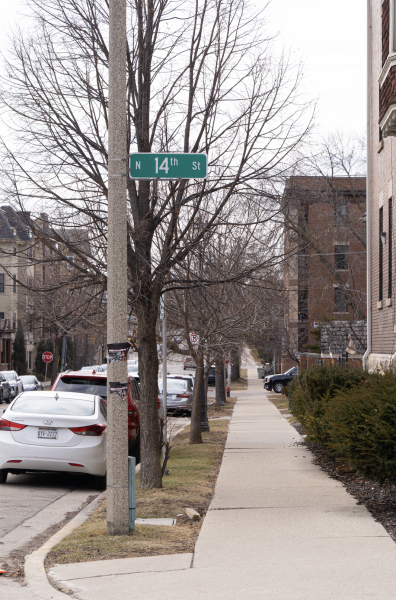
The first-year student had a short walk from the residence hall to the library, but hours earlier — just one block away near the 900 block of 14th street — a female Marquette student was approached with a weapon, robbed and sexually assaulted.
“I don’t usually do that when walking around campus at night,” Meldman said of carrying her keys for self-defense. “But this time I was very, very alert. Especially since they hadn’t caught the guy.”
Around 4:30 a.m. that day, Meldman woke up to a Marquette University Police Department safety alert informing students of the crime and that the female victim had been taken to the hospital.
“I was just horrified,” she recalled.
Alyssa Kave, a sophomore, saw the alert around the same time.
“I felt sick,” she said.
Twelve hours later, MUPD released photos and videos from a security camera, asking for the public’s help in locating the suspect. As of Feb. 23, a suspect has been linked to the crime and was taken into custody on unrelated warrants. No charges have been filed in this case.
Kave and Meldman described the campus environment on Feb. 18 as “uneasy” and “anxious.”
Kave, a survivor of sexual assault, said hearing it happened to someone else on campus — despite the safeguards meant to deter this kind of crime — was heartbreaking.
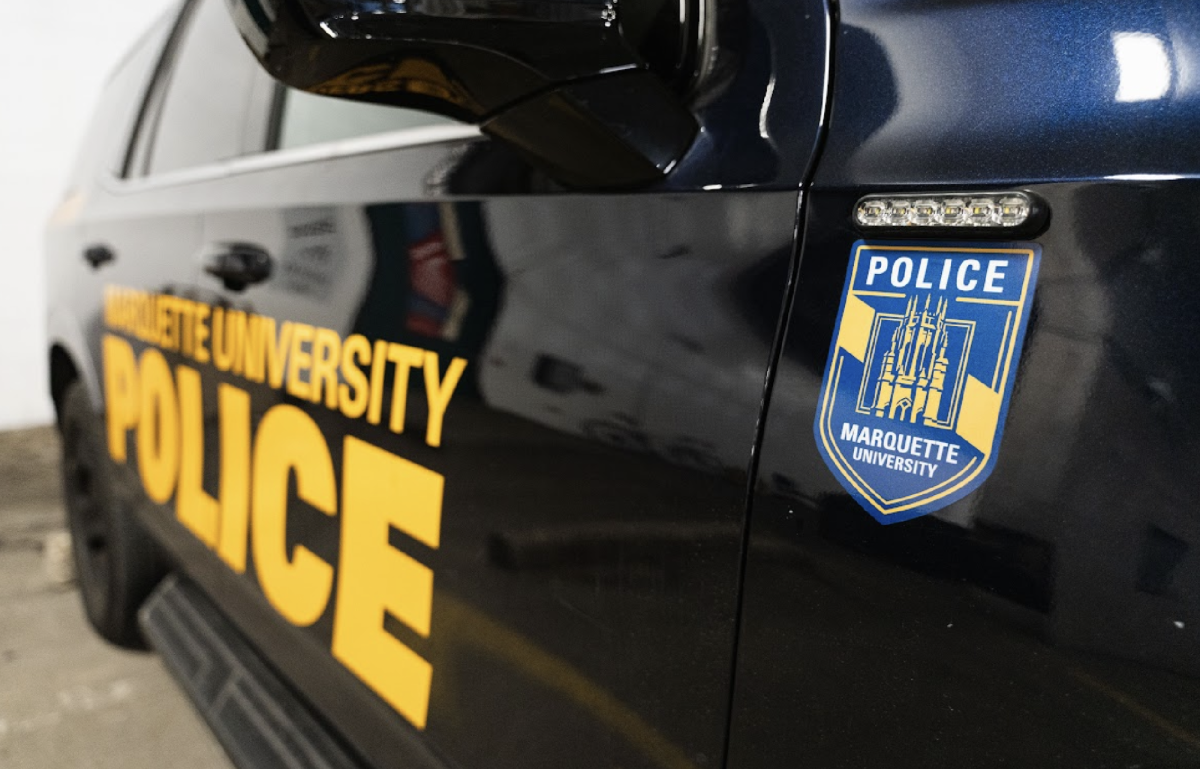
Even though Marquette has its own police department, blue light phones, EagleExpress vans, safety text alert system and video cameras, Kave and Meldman feel improvements can be made.
Meldman is frustrated by the long waits for EagleExpress vans. She realizes factors like staffing or the number of vans available can contribute to problem, but she said a 40-minute wait isn’t feasible when students are trying to get somewhere quickly.
“It’s honestly worth it at that point to walk,” she said.
Trisha Batra, a junior, said sometimes the EagleExpress app won’t let her book a ride or says the queue is too long.
But Batra’s biggest concern is the counseling services mentioned as a resource in the email sent to students. She went to the Counseling Center a few weeks ago hoping to work through a recent trauma and was left with a bad taste in her mouth.
“I expected them in my head to try to help me deal with it, and they were like, ‘Oh yeah, I’m sorry that happened, here’s an email of other places you can go,'” Batra said. “That’s not what I wanted to hear.”
This experience made Batra worry about who at Marquette would support the victim of the Feb. 18 assault.
“I’m sure that she’s probably looking for help, and I’m not sure that she’s going to find it here, honestly,” she said.
Other students are taking a closer look at communication from MUPD about crimes and available resources. Kave hopes to see improvement to make students feel safer.
This National Marquette Day, police cracked down on drinking and partying after the number of alcohol-related calls increased on NMD 2025. Officers patrolled the area on foot and gave citations to students who were publicly drinking.
“Many are expressing frustration that students seem to receive more warning not to publicly party or drink on campus than they do to stay safe from violent crime,” Kave said.
Rather, Kave wishes MUPD sent out more text alerts about crimes she sees on their logbook. She questions which cases campus police determine to be “bad enough” to communicate and which are not.
MUPD sends out text alerts to comply with the Clery Act, which requires that colleges that receive federal financial aid report campus crime data.
The department updates a daily crime log but doesn’t send out alerts for all incidents; rather, alerts are “only sent if there is an active threat to campus or of there is a significant police presence.”
Moving forward from Feb. 18, students are rethinking the best ways to stay safe walking on campus at night.
Batra feels like something has to be done, and she’s taking matters into her own hands. She wants to start a women-only club where students can message a social media account for a walking buddy if they don’t want to walk alone or can’t get an EagleExpress.
Meldman is considering how to protect herself when walking at night.
“I’m going to be more reluctant to stay out later studying and stuff, because it’s safer in my dorm room,” she said.
Kave said she’s been threatened walking through campus at 5 a.m. and heard of co-workers getting mugged.
“From the perspective of a young woman, we are alone,” she said. “Our next walk home could be the next safety alert.”
This story was updated to add new information.
This story was written by Sophia Tiedge. She can be reached at [email protected].