
Since U.S. Immigration and Customs Enforcement detained and released a Columbia University student Feb. 26, conversations about ICE activity on college campuses have intensified nationwide.
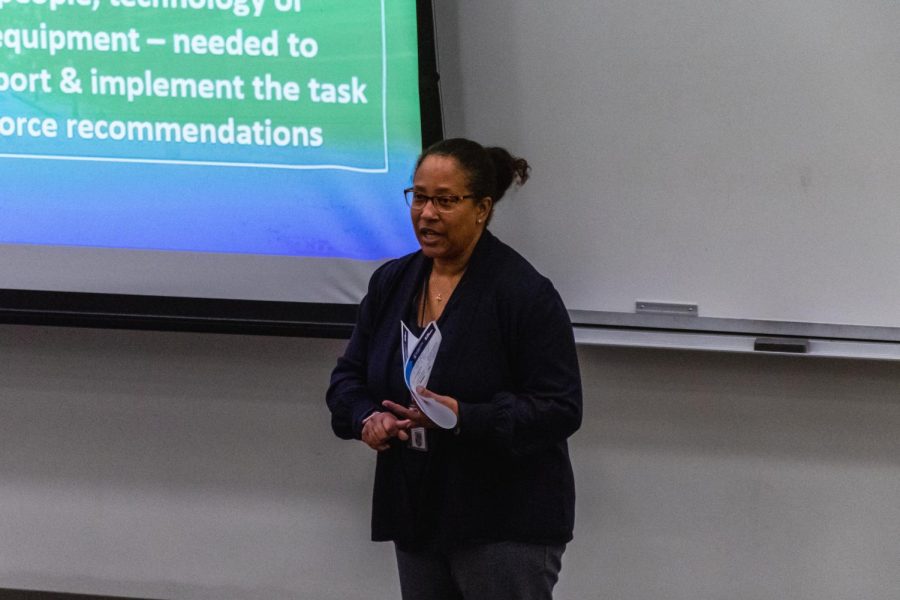
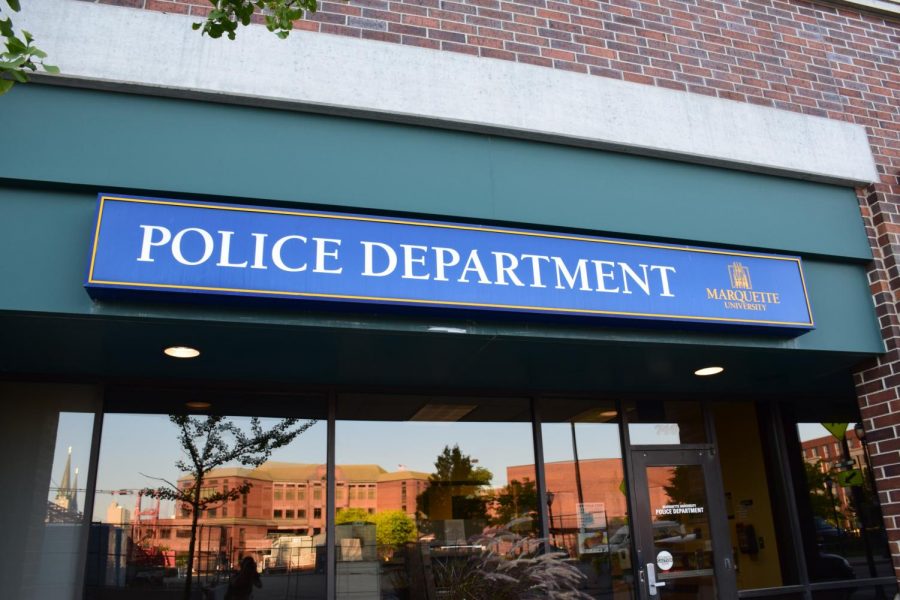
At a March 23 University Academic Senate meeting, Marquette University Police Chief Edith Hudson and Assistant Chief Jeff Kranz outlined how MUPD would respond in a similar situation and what steps Marquette would take to secure campus buildings.
Hudson said if outside law enforcement agents were on campus, MUPD would respond and ask about their objective. In the event that the officials have a judicial warrant signed by a judge, MUPD’s hands would be tied. Hudson said at that point, the department has “very little input.”
ICE agents arrested Elmina Aghayeva at her university-owned residence. University officials at Columbia claimed ICE agents were disguised as New York Police. The Department of Homeland Security has denied these claims.
DHS said it detained Aghayeva because her visa was terminated by the Obama Administration in 2016 for failing to attend classes. While ICE officers executed the arrest, Claire Shipman, Columbia’s president, said they gained access to her apartment building by saying they were looking for a “missing person.”
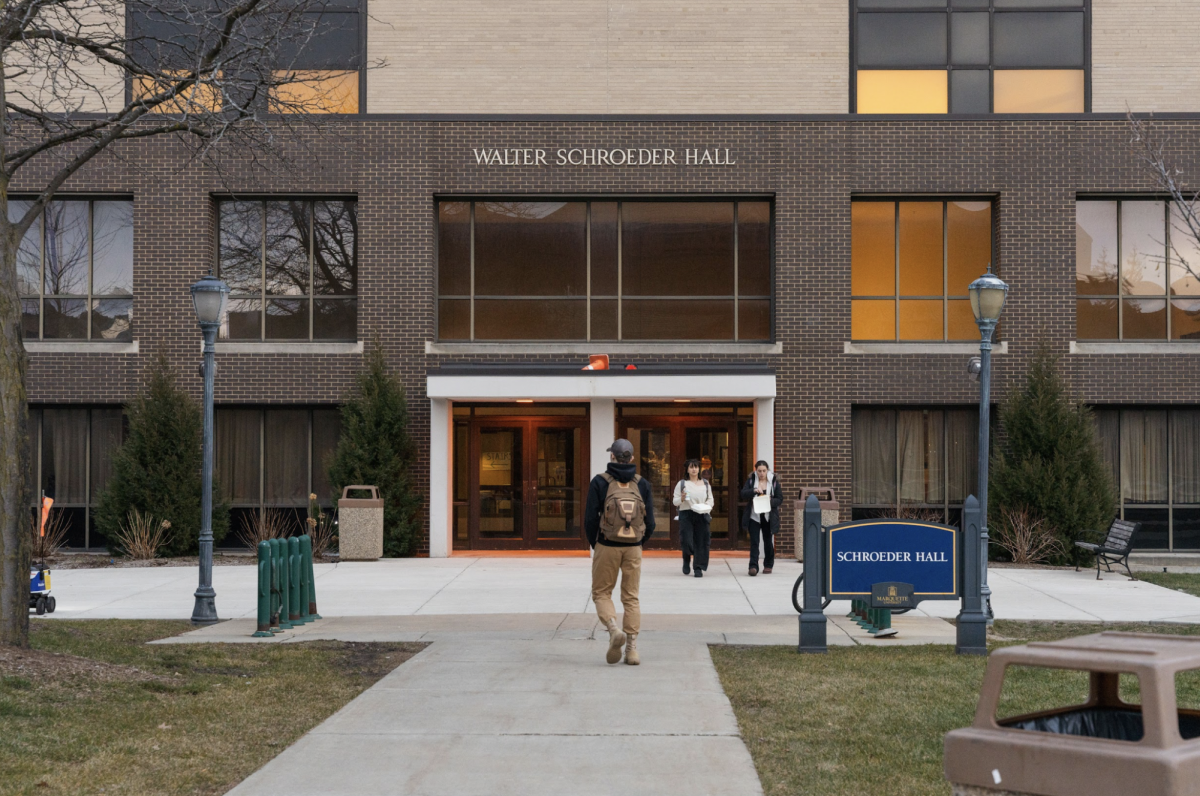
Since the Feb. 26 arrest at Columbia, Hudson and Kranz have been thinking about how to secure academic and residential buildings on campus. In 2022, Marquette started locking all residence hall doors, requiring students use their MUID to get in. Since then, Hudson said, MUPD has seen a decline in unauthorized individuals entering dorms.
However, academic buildings are only locked during certain weekend and nighttime hours when classes aren’t in session. If university leadership, UAS members and the Marquette community show interest, Hudson said, locking the buildings during the day could be a topic of discussion.
“I think that this is really a time where we should continue to consider that and lock as many doors as possible,” Hudson said. “Because there’s a reasonable expectation of privacy on the other side of that space.”
UAS members appeared eager to start a committee to explore locking the doors to academic building during the day. In the meantime, Hudson suggested faculty keep doors locked on campus when they can.
This story was written by Sophia Tiedge. She can be reached at [email protected].