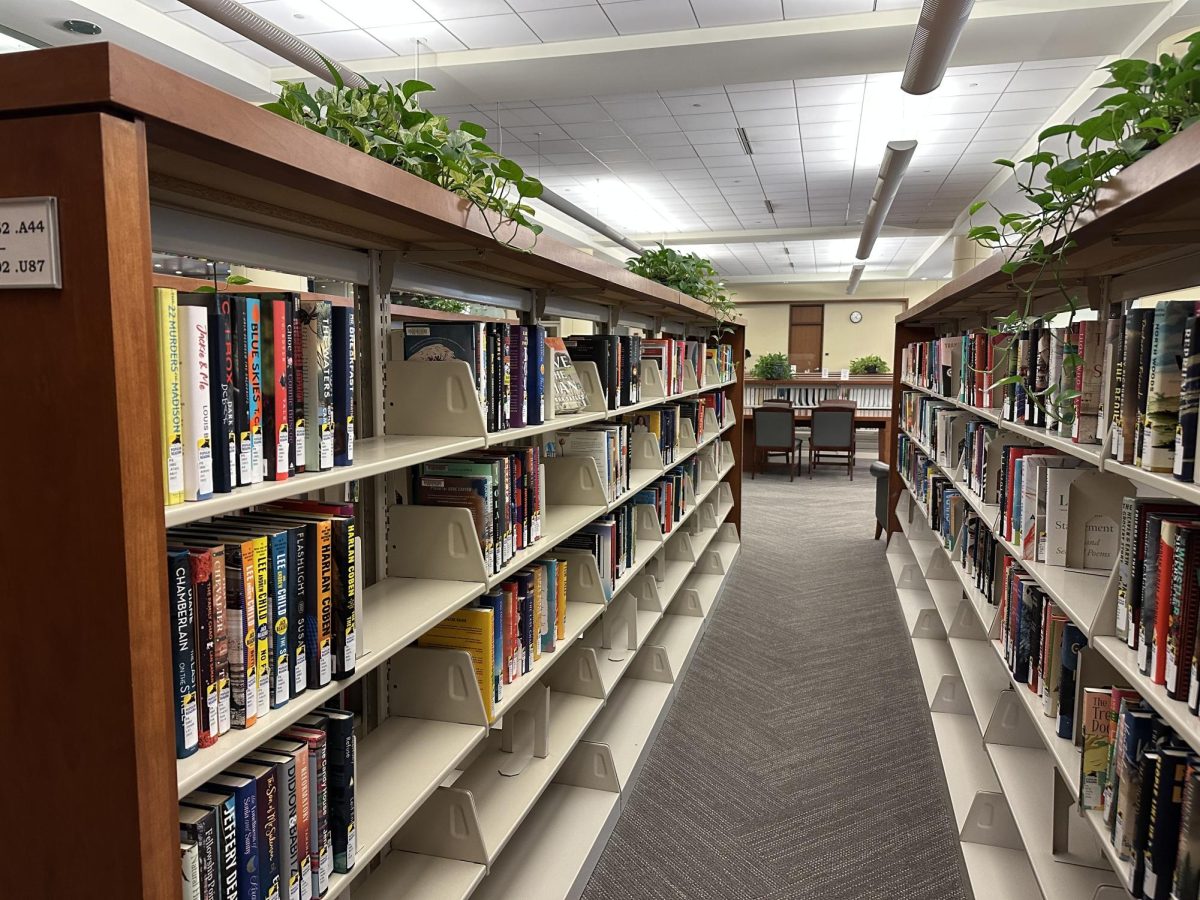
As we celebrate National Library Week this week, we should reflect on how libraries can better serve their communities. Public libraries used to be visited for their resources, like books, movies or computer access. Nowadays, those items are easily accessible, leaving people with minimal reasons to visit these important institutions. Instead of providing resources, they should reprioritize and focus on promoting fellowship.
Library resources have become irrelevant because of modern technology, like phones, iPads and computers. Websites and e-books have replaced physical books, and internet access and streaming services have replaced movies and audiobooks. People no longer need to go to a physical place to get access to information and entertainment.
However, a big gap in society today is loneliness and a lack of community. According to a 2025 American Psychological Association study, at least 50% of adults feel isolated, left out and like they are lacking companionship. Additionally, 17% of children and teenagers aged11-15 also feel highly disconnected and alone.
To an individual, isolation can lead to depression, anxiety and drug or alcohol addiction. For communities, consequences can include polarization and increased stereotyping and bias.
When these feelings become very strong, they can lead to anomie, which is a concept that describes strong feelings of isolation and alienation. This disconnectedness to others can result in a lost sense of purpose and even contribute to harmful social issues, like crime and suicide.
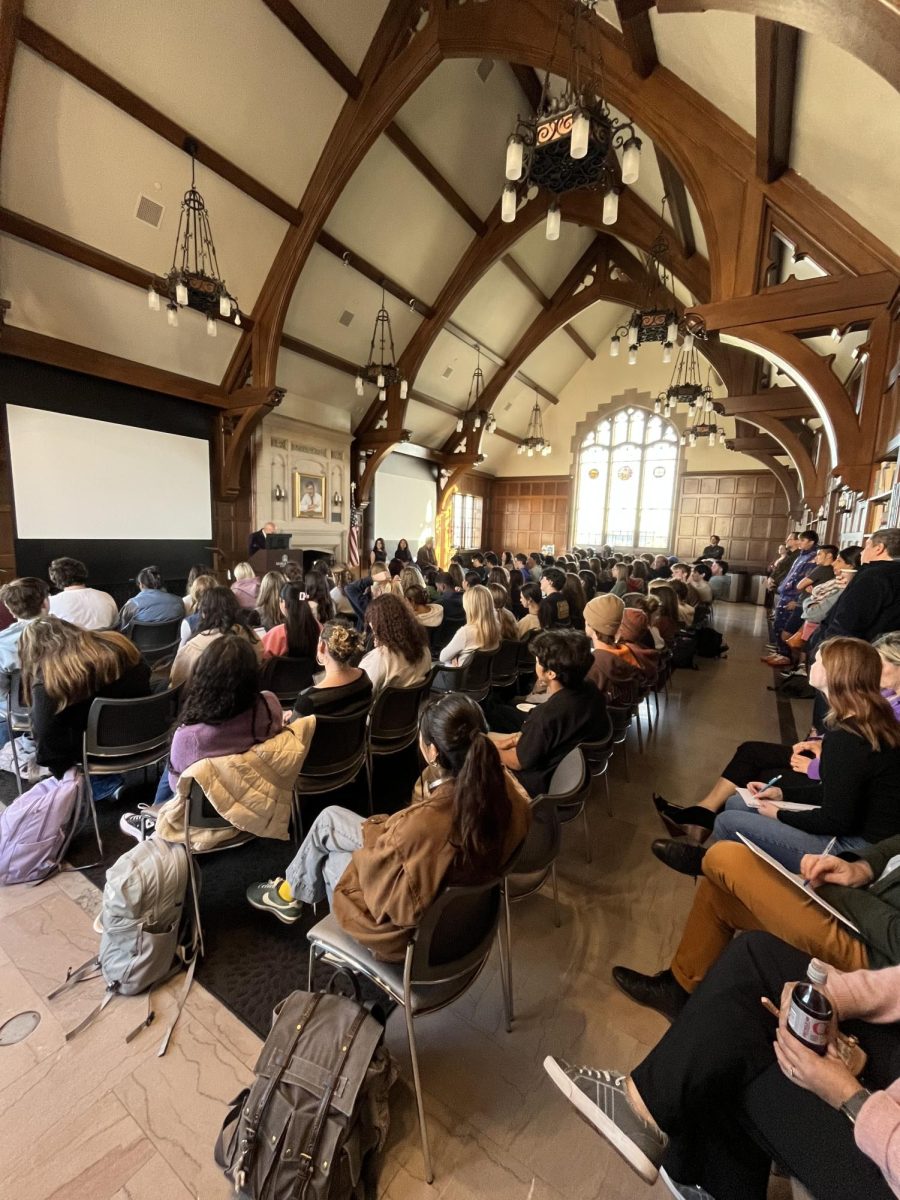
To facilitate real-world connections, libraries can implement more events to increase engagement and create opportunities for community members to build relationships with one another. Library-hosted events are not a new idea, but their execution should continue and occur more often.
For example, the Milwaukee Public Library has events nearly every day on its main campus. Notably, they will host “Story Time” for children and “Job Search and Resume Assistance” for adults on April 23.
These events are impactful not only because they bring people together, but because they are specifically tailored to the community. Children and adults are given opportunities to connect with peers, and the activities are relevant to them and the stages of their lives.
When libraries are more engaged with their communities, they recognize common needs, allowing them to help fill necessary gaps to better serve the neighborhood.
To increase awareness, they could produce more promotional content that alerts people of upcoming events and start local partnerships with neighboring businesses and communities.
Additionally, libraries can implement more study and communal rooms in their buildings to provide meeting spaces for groups of people. These allow for more in-person meet-ups, encouraging social connections to form and grow.
For example, the Brookfield Public Library lets people reserve a study room from their website. The capacities range from 8 to 130 people, allowing people to choose the option that works best for them.
People need fellowship because it is essential to their health and well-being. Friendships and a sense of belonging minimize stress, boost moods and reduce risks for chronic illnesses.
The benefits of social connection are not limited to the individual. According to the World Health Organization, communities with strong fellowship tend to be safer, healthier and more resilient.
As society evolves, it is essential that public institutions progress as well. Libraries are neighborhood spaces meant to serve the needs of citizens, and today, they need companionship and fellowship. Like many things in life, libraries’ purposes can change and evolve overtime.
By providing more opportunities for people to gather and connect, libraries can help facilitate a healthy and thriving community.
As National Library Week kicks off, we must remember the importance of public libraries and the resources they provide to communities — beyond books and media.
This story was written by Amelia Lerret. She can be reached at [email protected].