Instant food delivery services like DoorDash and Grubhub are popular and convenient ways to effortlessly receive food from restaurants, but they have harmful impacts on individuals and the environment.
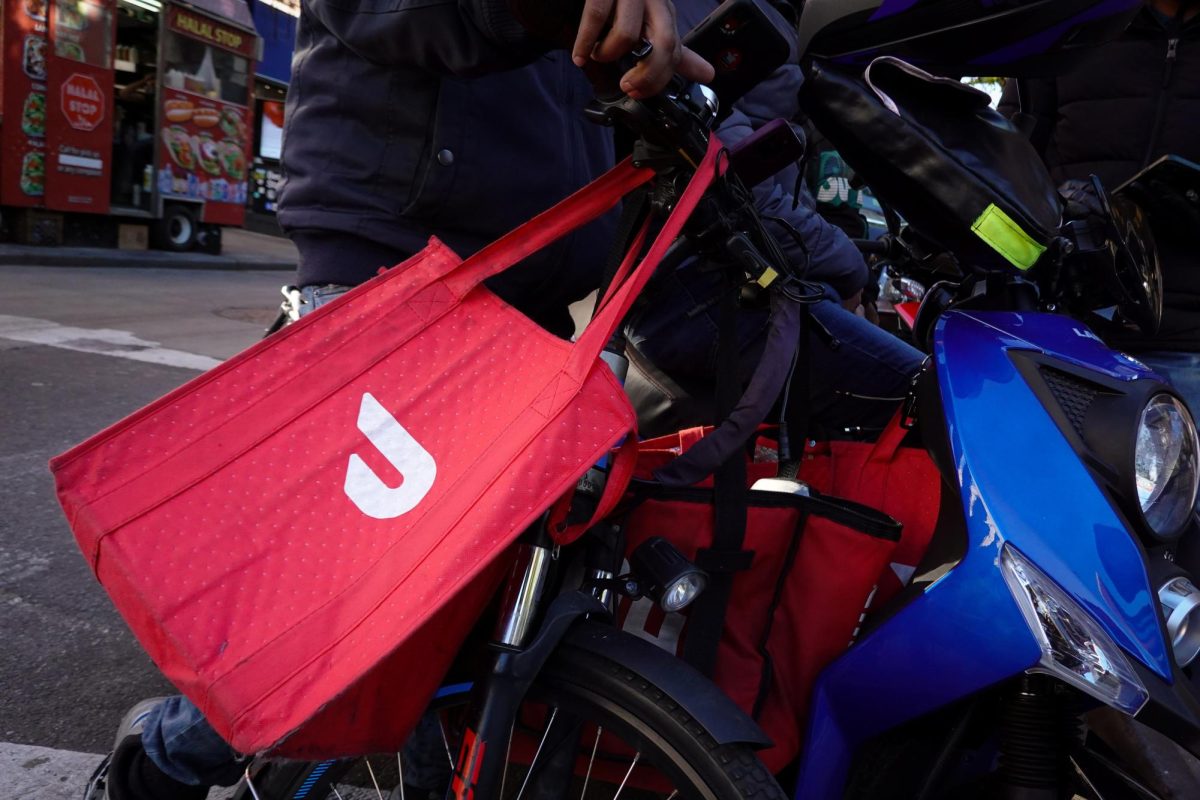
To use these systems, customers place an order from a chain restaurant through the app. After it is prepared at the chosen restaurant, an employee will pick up the sealed order and drive it to the customer’s location, allowing people to get food without leaving the house.
Although convenient, these services become dangerous when used excessively because they promote instant gratification and have harmful environmental impacts.
When people become accustomed to receiving items with the touch of a button, they are susceptible to creating unhealthy habits, like impulse buying, laziness and procrastination.
Alexandra Samuel, author and columnist for The Digital Voyage, argues that instant gratification destroys the important human virtues of patience and self-control. Impatience impedes delayed gratification and the benefits that come with it, like increased enjoyment and self-discipline.
More than mental costs are physical ones. Most, if not all, establishments on delivery apps are fast food restaurants. They serve objectively unhealthy items, leaving impacts on people’s health like increased risk of heart disease, cancer and type 2 diabetes.
Not only are instant delivery services dangerous to individuals, but they damage the environment from excessive packaging and carbon emissions. When orders are delivered rather than bought in store, it requires unnecessary trash, like individual bags and seals for protection. Disposable items like plastic bags, single-use utensils and food containers also encourage waste rather than reuse.
Whether plastic packaging gets incinerated or disposed of, there are repercussions. If incinerated, it increases the amount of pollutants and toxins in the air. If disposed, it generates more waste in the ocean, and the inks and chemicals can seep into soil, causing damage to wildlife and ecosystems.
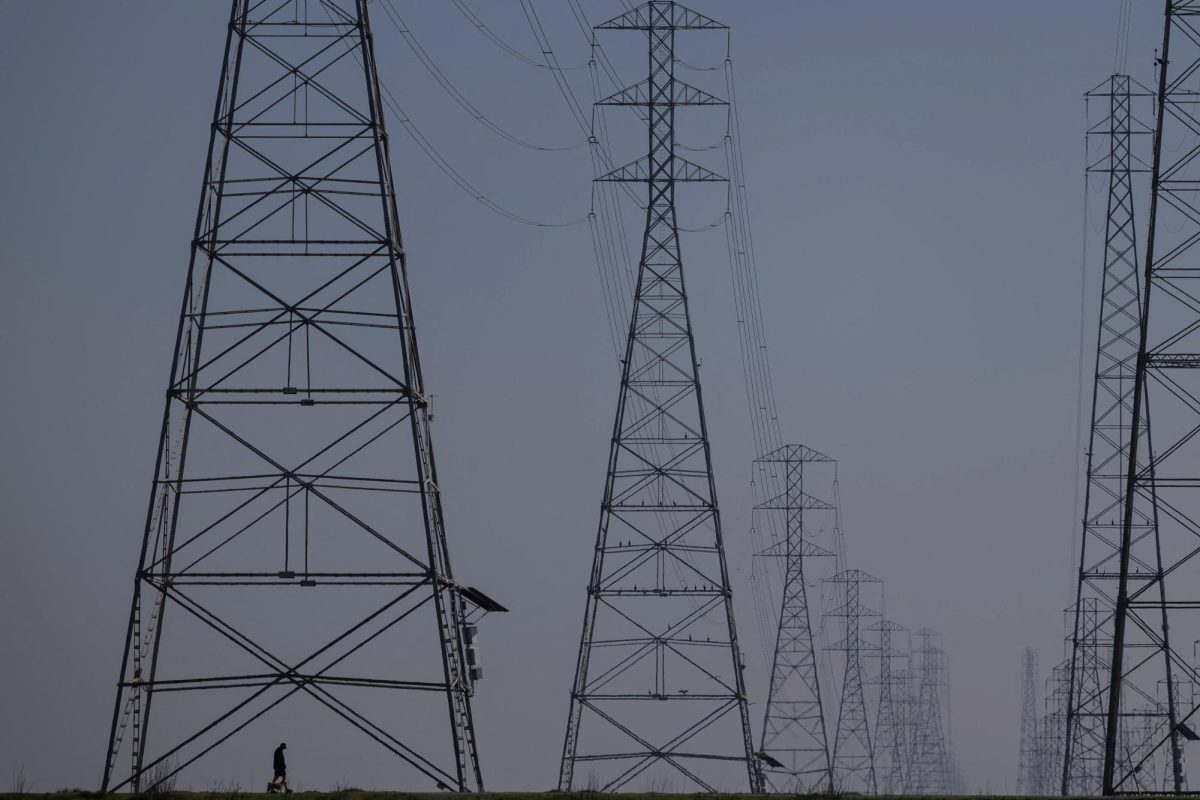
Transportation also has environmental costs. Frequent deliveries require drivers to fuel their vehicles with gasoline or diesel that release carbon dioxide, a greenhouse gas, into the air causing environmental risks.
When people pick up food themselves, they can stack that trip with other errands, reducing their time on the road. Delivery drivers are not in control of their restaurants or drop-off locations, making it difficult to stack orders. However, when people are thoughtful about picking up their own food, they can help minimize the harsh environmental impacts that deliveries cause.
Despite the consequences, these services appeal to customers because they are convenient and accessible. Since it is digital, people can order food anytime they want if a driver is available and receive it from anywhere. So, it is a helpful tool for late nights or busy days.
Instead of relying on these systems, people can plan so that time restraints don’t make these services the only options left. For example, planning and getting groceries for the week will eliminate the need for DoorDash, reducing its use.
While instant delivery services are beneficial in times of sickness or busy schedules, its harmful impacts on individuals and the environment make it crucial they are used in moderation.
This story was written by Amelia Lerret. She can be reached at [email protected].