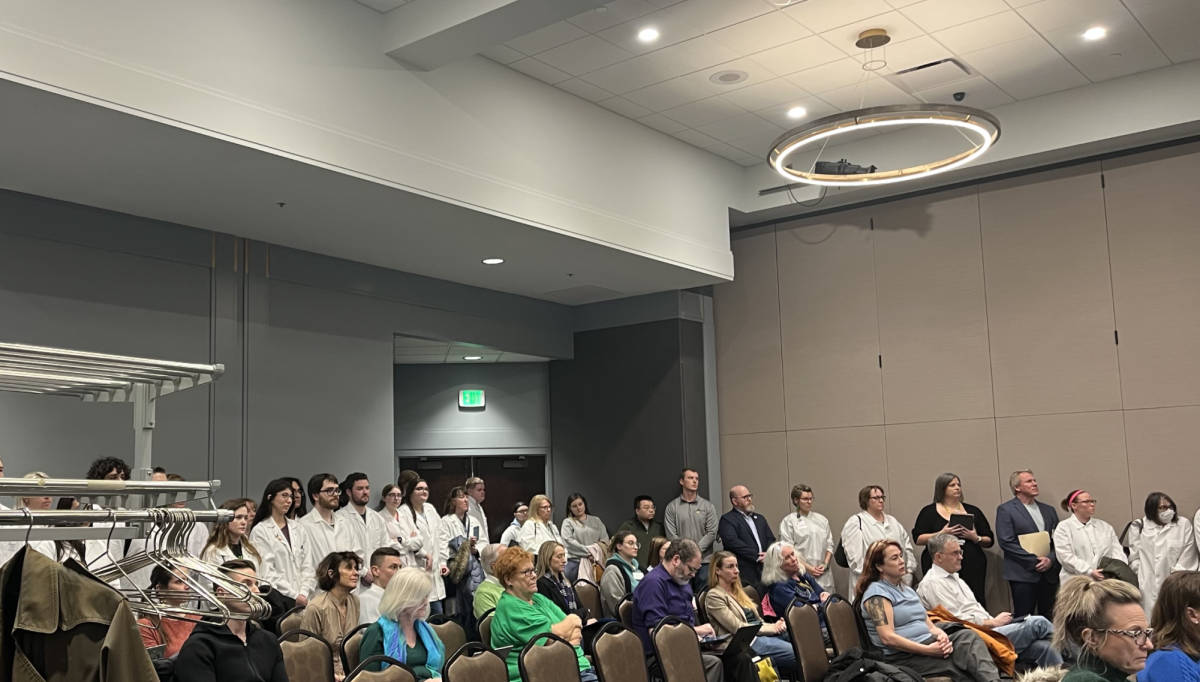

When Acting Provost Sarah Feldner announced her updated college restructuring plans at the Jan. 26 University Academic Senate meeting, she was met with both silence and nods from senators. It was a stark contrast from the Nov. 17 meeting where the same senators expressed clear and vocal opposition to the plan during an extended conversation period.
English professor Ben Pladek was a leading voice during initial restructuring conversations. In an interview with the Marquette Wire, he said he and his colleagues across the College of Arts & Sciences were largely united in their opposition.
“I can say very firmly that faculty across most units of the College of Arts & Sciences opposed the restructuring plans on offer,” Pladek said. “They didn’t oppose the idea that things needed changing, but they didn’t think that the plans on offer made any good changes.”
While the initial proposal outlined large-scale restructuring of entire colleges at Marquette, the new plans unveiled on Jan. 26 take smaller steps to restructure locally within various departments and colleges, in addition to reevaluating financial reporting procedures.
Some faculty have expressed cautious but strong optimism for the new proposed plans, even saying they agree with many of them. Pladek said specifically that the initiative highlighted that there is currently no consistent method to evaluate and allocate finances across the university.
“Departments and colleges are reporting their fiscals differently, and so it’s really hard to compare them,” Pladek said.
He also thinks university leaders are currently measuring the success of academic units (colleges, departments, programs, etc.) based on whether their financials were “in the black,” meaning they are focusing only on if they are generating more revenue than expenses.
Pladek argues that in addition to Marquette being a non-profit institution, there are several units that, while expensive, provide great value to the university’s reputation.
“Physics uses expensive lasers that they have to run [in labs], but they also take students to [the Large Hadron Collider in Switzerland],” Pladek said. “Those students generally make Marquette look good and are mission-critical.”
Theology professor Andrew Blosser echoed Pladek’s sentiments, saying he felt the current financial system causes different units within the university to compete with one another to keep students within their units. He compared it to the 2004 NBA finals, during which the Detroit Pistons defeated the heavily favored Los Angeles Lakers.
“[Shaquille O’Neal] and Kobe [Bryant] were superstars, and they were allegedly competing with each other to the detriment of the team,” Blosser said. “It seems that different schools in the university are competing with each other like Shaq and Kobe, rather than collaborating. That is toxic.”
Another step outlined during the Jan. 26 meeting involved proposed partnerships between the department of Biological Sciences and the Opus College of Engineering. Martin St. Maurice, chair of the department of Biological Sciences, said he is open to seeing what concrete steps are taken from the conversations surrounding the new ideas.
“It’s never a bad idea to ask ourselves whether there are new ways of doing things, so long as our search for answers is analytical and objective,” St. Maurice said in an email.
While Blosser is optimistic about the new, more granular proposals, he expressed concerns about the university not articulating a clear goal for the restructuring initiative.
“I definitely think that the scalpel approach is far superior,” Blosser said. “But I hope that at some point someone would articulate, ‘This is exactly the goal we have. This is what success will look like for us.’”
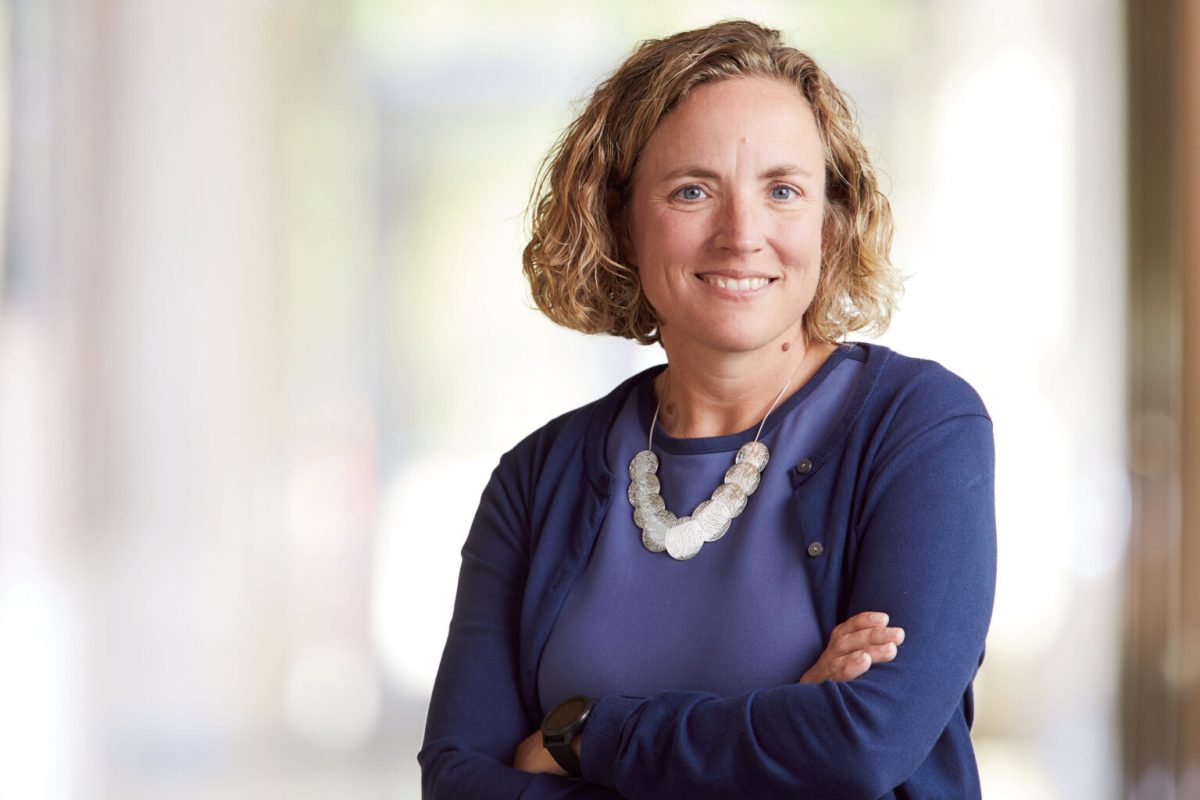
Incoming Provost Debbie Tahmassebi will lead the pursuit of the new proposed steps when she assumes the role on March 1. Pladek said any changes that are made must be done with care and patience, arguing that only then will any changes truly benefit the university.
“This is something we cannot rush through,” Pladek said. “A number of these are really good ideas, but we can’t expect to do the work to make them happen in a year. We have to take our time.”
This story was written by Sahil Gupta. He can be reached at [email protected].