
Conversations about college restructuring continue across campus after three proposed models were unveiled earlier this semester. The proposal is part of the wider “Securing our Future” initiative, which is seeking to cut $31 million from the university budget by the year 2031.
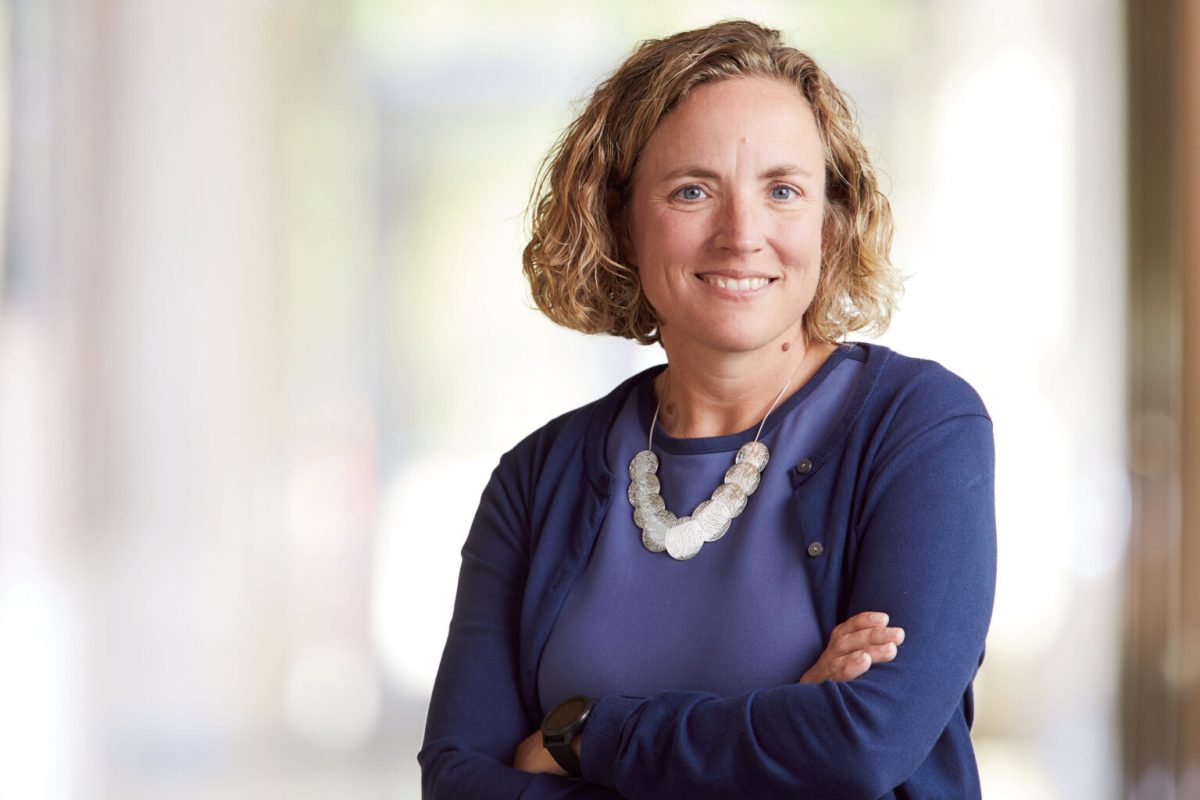
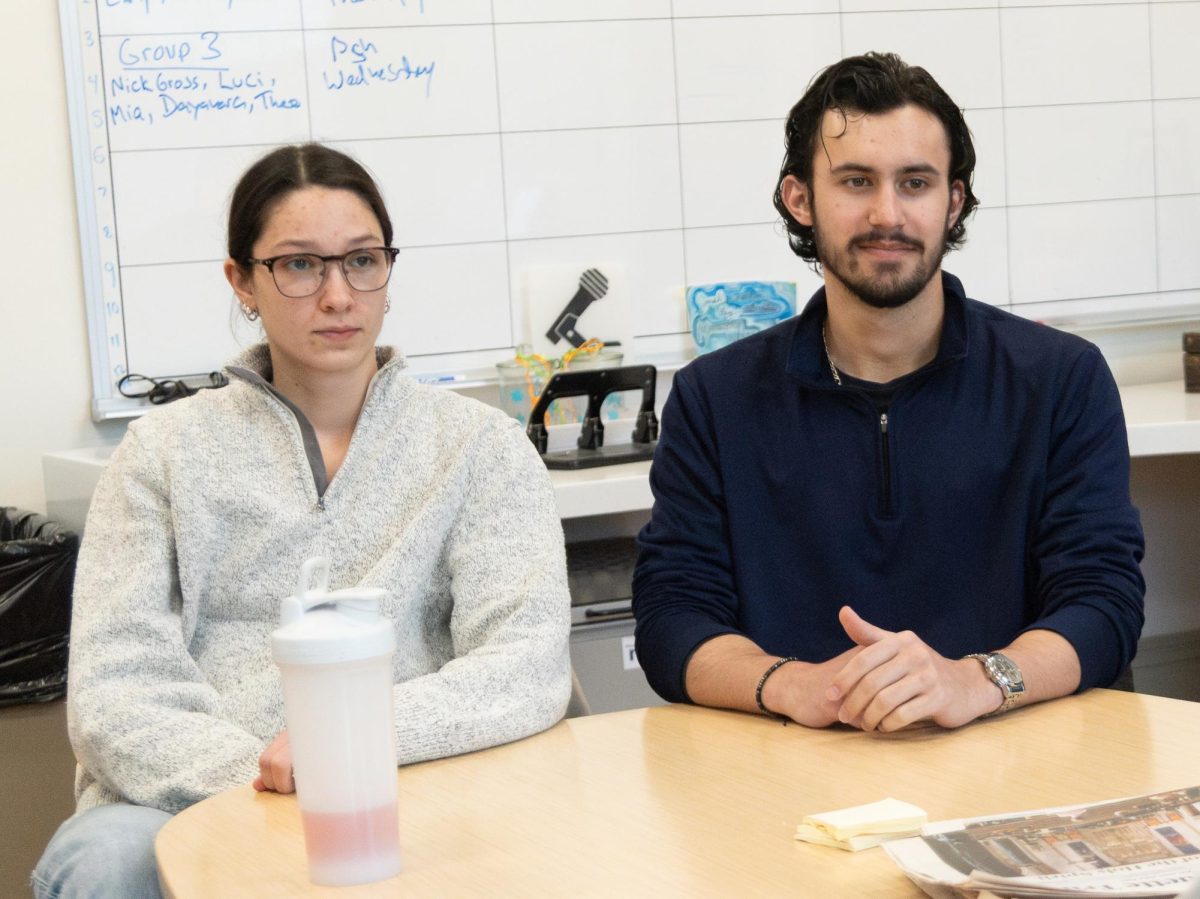
Amid continuing uncertainty over college restructuring, proposal architect Acting Provost Sarah Feldner and University Academic Senate chair Paul Gasser sat down with the Marquette Wire Dec. 8 to provide updates and clarity surrounding concerns that faculty, staff and students have about the changes.
Ideas from faculty gathered at listening sessions
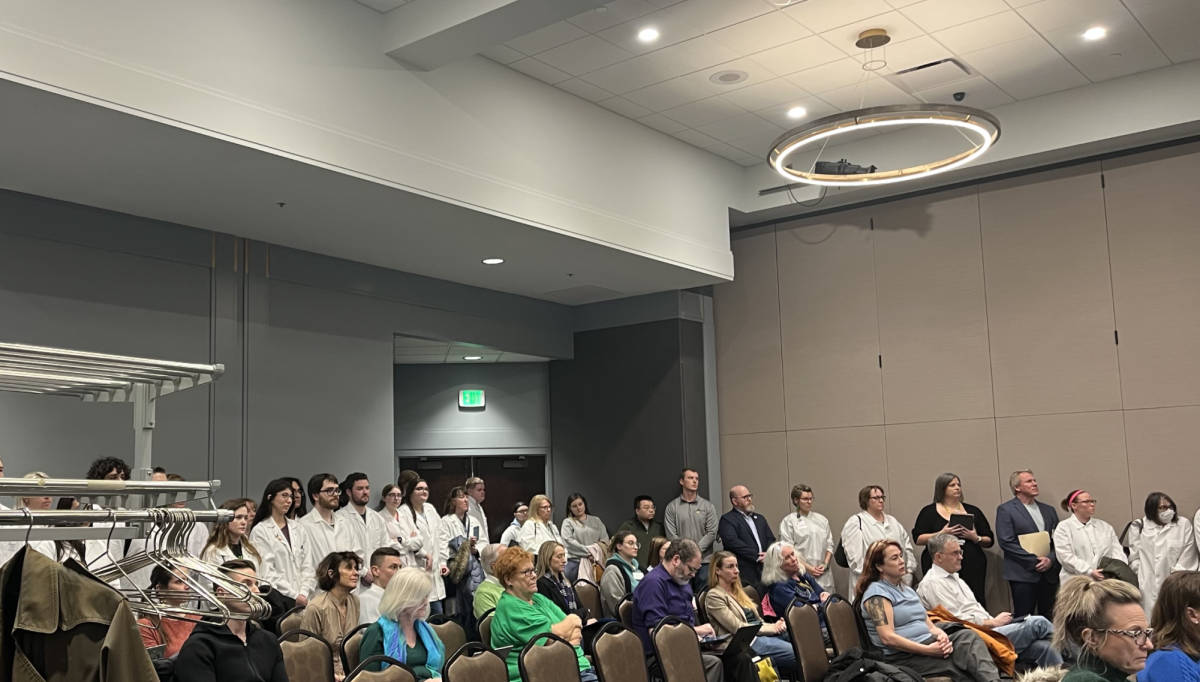
As part of the college restructuring initiative, the university hosted three listening sessions to provide faculty the opportunity to provide feedback on restructuring models.
“The goal was to get units that are not currently in the same college — but might be in the same college in a future reorganization — together to talk about pros and cons,” Gasser said.
Feldner also said the listening sessions included conversations about possible graduate school restructuring, combining duplicate programs and potential changes to grant management, which currently differ between colleges.
“After you receive a grant, there’s a lot of paperwork, and the process of how to receive and manage the grants is done at a college level,” Feldner said. “The question was, ‘Is there a way in which we can align so that the expertise is pooled in a particular way?’”
Feldner and Gasser also said there are places for expansion, especially in the fields of computing, environmental studies and mental health because of their current relevance in the professional world.
Impact on students
Feldner was adamant that there would be minimal changes to students’ academic experiences. She said current major and minor programs and their curriculum requirements would stay the same.
“If we do it right in planning, students will see nothing but improvement in their day-to-day lives,” Feldner said.
Feldner said she intends to meet with MUSG Senate virtually on Teams later this week after cancelling an appearance on Dec. 1, citing personal reasons.
A separate proposal was released earlier this year as part of “Securing our Future” that would cut 15 academic programs on campus. Only one program — medical laboratory science — has officially been terminated. The university has not publicly said what other majors are under consideration for termination. While this is also part of “Securing our Future,” it is not related to the college restructuring initiative and is a separate proposal.
Emphasis on dialogue over siloing concerns
At the Nov. 17 UAS meeting, several faculty members expressed deep concerns over how the restructuring could cause increased isolation between departments. Feldner said she’s heard these concerns, but said current siloing is a result of a lack of dialogue between departments under the current structure.
“We [as departments] imagine what other units on our campus do, but we don’t always have opportunities to sit and hear how they think about how they work,” Feldner said. “That is largely a function of how we are structured.”
This sentiment was echoed by Gasser, who argued that improving collaboration is one of the core purposes of the restructuring initiative in addition to potential cost savings.
“We kind of live in our departments, we live in our offices, and we don’t get around to other colleges,” Gasser said.
When asked about a potential cost savings figure, Gasser and Feldner weren’t able to provide one.
Next steps and new developments
After completing the listening sessions, Feldner said at the University Academic Senate meeting Dec. 8 that they’ve stopped looking at the gold model for restructuring, but are still exploring other possibilities, including keeping the current structure the same.
Feldner said she plans to present a final restructuring proposal to President Kimo Ah Yun next week, on track with the timeline she provided in an earlier interview with the Wire.
When asked, she was unable to provide any updates on the permanent provost search. President Ah Yun previously said that while he hopes to find a permanent provost by the end of 2025, he was not putting a mandatory timeline on concluding the search.
While the final outcome of the restructuring process remains to be determined, Feldner said she is confident that the university will benefit from the initiative.
“I’m very confident that we did the right thing for Marquette and for faculty,” Feldner said. “There is still a long way to go.”
This story was written by Sahil Gupta. He can be reached at [email protected].