

A plan to reorganize colleges and academic programs is on the horizon, and some Marquette University faculty are concerned.
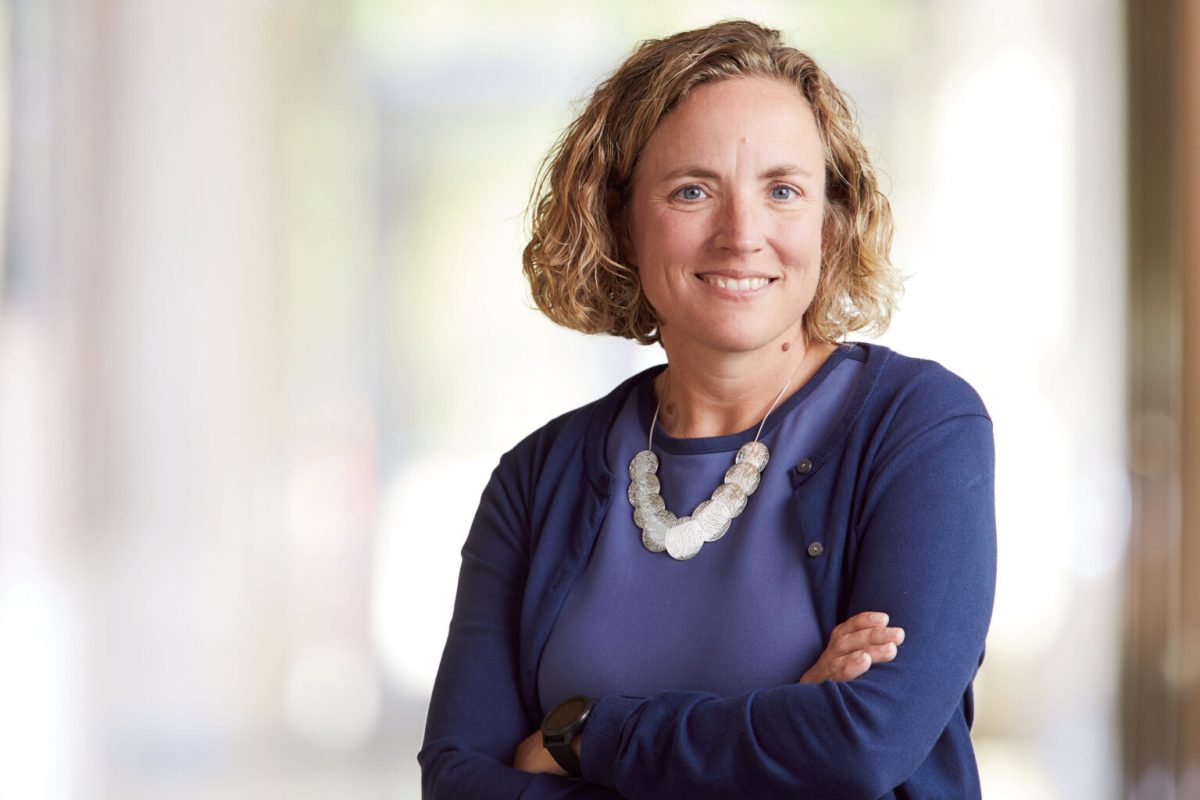
The recommendation comes from Marquette’s goal to cut $31 million in university spending by 2031. Acting Provost Sarah Feldner has been tasked with creating a restructuring plan by December 2025.
Faculty shared concerns about the plan’s tight deadlines and lack of rationale behind the restructuring at the Sept. 15 University Academic Senate meeting where Feldner announced the process. The university has not outlined specific changes; Feldner said her December plan would include them.
According to a Securing Our Future steering committee report from Sept. 25, 2024, the objective was aimed at reevaluating the efficiency of departments and colleges, and restructure where needed.
The report detailed that the process will look at “those departments or colleges where enrollment and financial trends are not favorable such as those that exist in Engineering and Arts and Sciences.” It recommended the university create a work group from people around campus to brainstorm ways this restructuring can happen. It’s unclear in the timeline presented at the UAS meeting whether this will happen.
In the tentative timeline presented by Feldner, the Board of Trustees is slated to approve the plan during their April 2026 meeting.
“I think we’re moving too quickly,” said Heather Hathaway, acting dean of the College of Arts & Sciences and School of Education.
With the Board of Trustees already included in the plan, Hathaway said she feels like faculty are being clued in too late in the process. Feldner said the timeline is subject to change depending on the information she receives in listening sessions over the next three weeks.
“The timeline is not intended to signal an emergency,” Feldner said. “It’s intended to provide sufficient time to have these conversations.”
She said the first session will be Sept. 19, and the university plans to open registration on Sept. 18. Anyone is welcome, but the number of attendees will be capped.
Rosemary Staurt, a professor in the college of Arts & Sciences, said she’s skeptical of the timing of the listening sessions.
“There’s a lack of trust, because there’s a lack of transparency,” Staurt said. “We’re here today and there are ideation sessions on Friday. It just seemed a little bit that the ideation sessions are more of an afterthought.”
Other faculty’s concerns stemmed from what the possible changes would look like and why the university decided to adopt this recommendation. It’s unclear which colleges or departments would be evaluated, but Feldner said the process would aim for efficiency changes or cost saving measures.
“Think about how we use spaces, how we design our curriculum, how we think about equipment and materials that are needed,” Feldner said.
She said the plan won’t downsize current faculty but will focus on long-term hiring adjustments.
After hearing feedback from UAS members, Feldner said she understands how this process can feel, but her hope is that after the listening sessions, she’ll have a better idea of how to proceed.
“There are competing demands that don’t always work together, and I understand that that’s hard,” Feldner said. “I understand that it increases anxiety.”
Process and timeline of changes
In October, after the listening sessions, Feldner and UAS Chair Paul Gasser will propose the restructuring models, followed by more open sessions in November for input on those preliminary models. After that, Feldner will recommend the plan in December to University President Kimo Ah Yun.
In spring 2026, Feldner and Ah Yun will bring any further recommendations to “UAS committees, colleges and campus for consideration,” Feldner said in her presentation. Board of Trustees approval is tentatively planned for April.
If the Board of Trustees approves the revised plan, “phased implementation” will begin as early as next summer.
This story was written by Sophia Tiedge. She can be reached at [email protected].