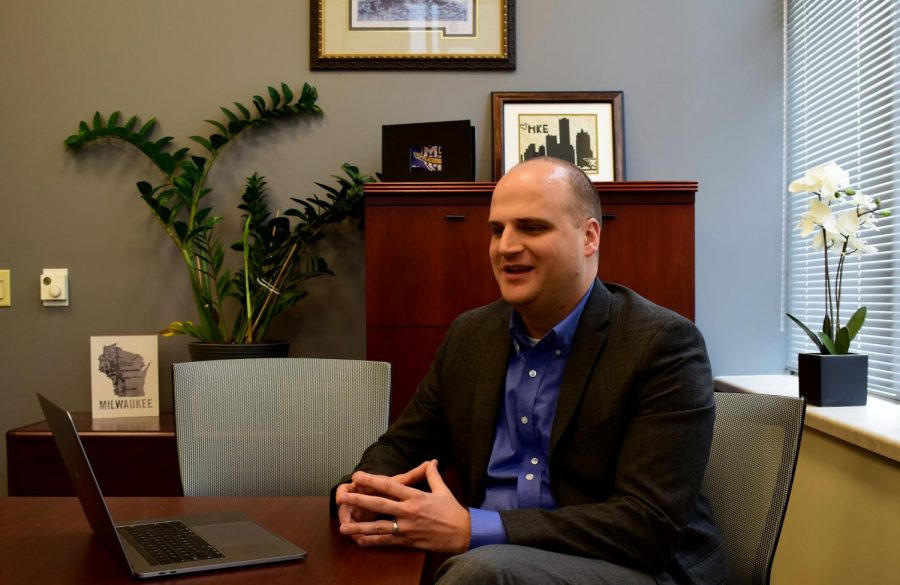


When Erik Munson got to class on Sept. 26, he was dressed in all-black. The date had been circled on his syllabus since the start of the year.
While not a funeral, it was a day of mourning for Munson, associate professor of Medical Laboratory Science, who was joined by a few of his students in wearing clothes devoid of color and emotion.
Sept. 26 was the one-year anniversary of Munson being told his program, Medical Laboratory Science, was on the university’s chopping block. Despite defending the program all year, including at an Academic Senate meeting where the matter was discussed, those in the program were sent a letter over the summer to announce its termination taking effect in 2029.
The closure was attributed to $500,000 in cost savings for the university from 2026-2031 as part of Marquette’s plan to cut $31 million by 2031. The university also cited a decline in program enrollment, though those statistics were disputed at the senate meeting.
“It’s been very hard, mentally and psychologically, to go through something like this,” Munson said.
Medical laboratory scientists are responsible for the reading and analysis of tests taken in doctors’ offices — from blood panels to urine tests to cancer screenings. In 2019, the Center for Disease Control and Prevention cited 70% of medical decisions as dependent on laboratory tests, which can be done by professionals trained in laboratory science or other science degrees.
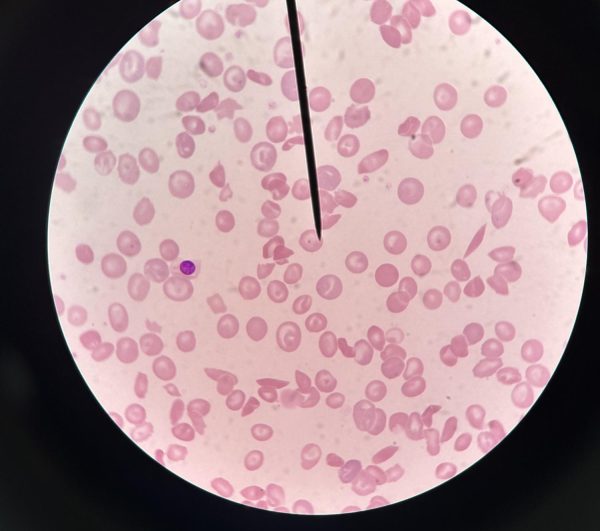
“I have diagnosed patients with leukemia before the doctor knows about it,” Beth Thelen, a Marquette program graduate and medical laboratory scientist at Aurora West Allis Medical Center, said. “For those couple seconds, you’re looking at a slide with all these white blood cells on it and it’s just you and a microscope that know that this patient has cancer.”
It’s a role that Valerie Everard-Gigot, Medical Laboratory Science chair and program director, calls the “heart of every diagnosis,” linking patients to their physicians despite being unseen in the process.
“[It’s] that idea of cura personalis,” Thelen said. “You’re caring for the whole patient. You might not see them, but these results are going to be life-changing for them even though they might never know who was behind the scope.”
That unseen link is currently experiencing a nationwide shortage.
On Sept. 23, the House of Representatives introduced a bipartisan bill to address the personnel shortage, with an estimate that laboratories nationwide are facing vacancy rates of up to 25%. Sue Johnson, director of clinical education at Versiti, said many laboratories in Wisconsin and Illinois are short-staffed.
“You can hire people with, for example, a biology degree or a biomedical sciences degree to learn how to do a test, but they don’t know the background,” Johnson said.
Chris Ladwig, a senior in the College of Health Sciences, said terminating Marquette’s program doesn’t just affect the quantity of available lab scientists, it also hurts the quality of work.
“Not only would we be depriving this area — which is already low on personnel — of more personnel, but we’d also be depriving them of some of their most experienced and skilled technicians,” Ladwig said.
Because of the industry demand, most med lab students already have a job before they graduate. To fill needs in the community and university instruction, each Marquette student is also guaranteed an internship during their senior year. Those job placement numbers, in addition to the statewide personnel shortage, make the program’s loss a shock to some.
In 2020, during the COVID-19 pandemic, the program was thrown into the spotlight as Munson was asked by the university to develop a test for the virus. By having an in-house system, Marquette was able to pay mere dollars for each test as opposed to a price tag of nearly $100 for each outsourced test.
Munson estimated that by creating its own test, the Medical Laboratory Science program saved the university nearly $2 million.
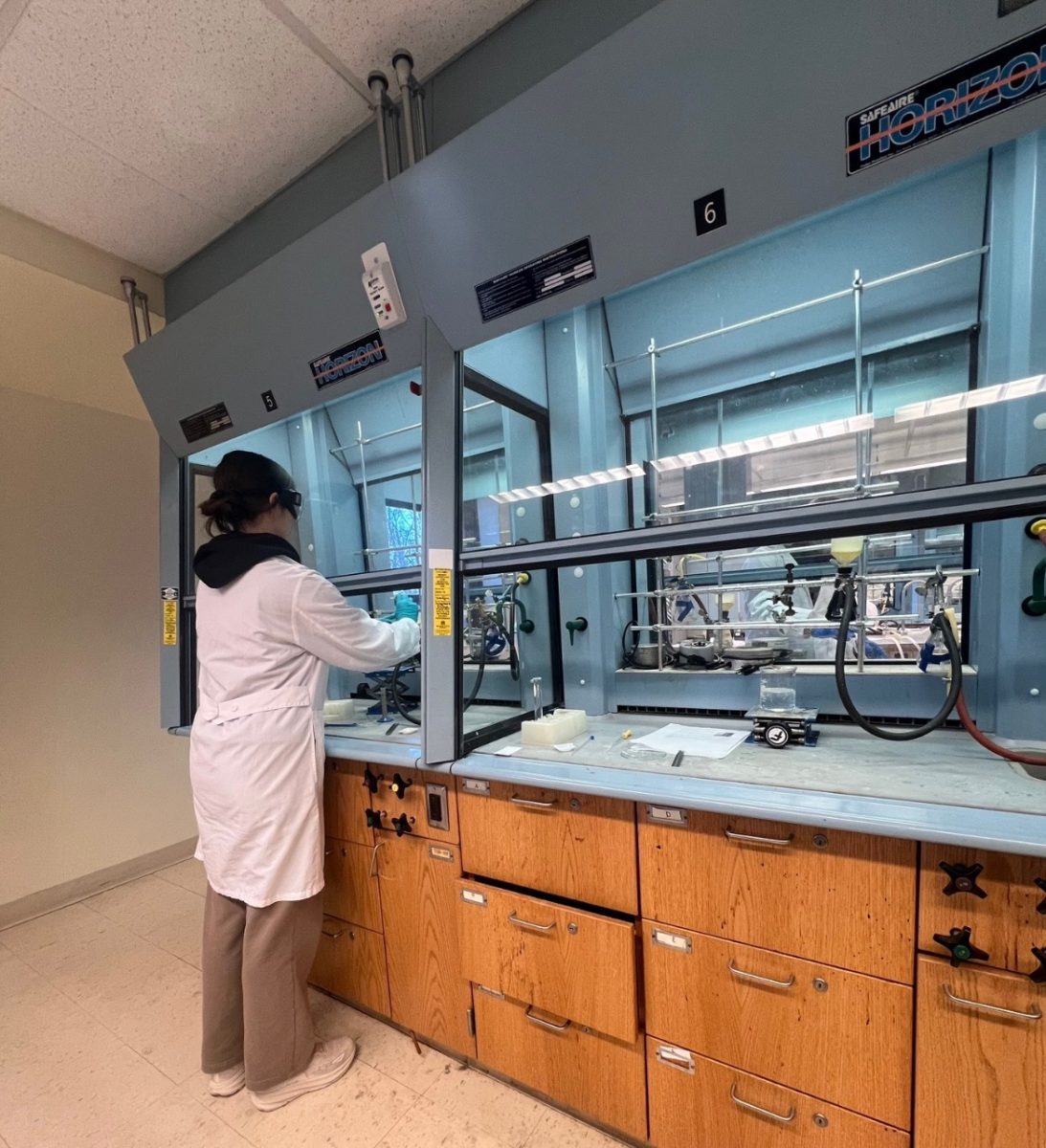
Those involved with testing worked throughout the day, five days a week, conducting 20,000 tests over the course of 18 months. During those three semesters, faculty and staff still worked their regular jobs, teaching classes while testing across the community and communicating with public health officials.
“[By closing MLS], they want to cite that $100,000 in savings a year, even though we saved them 20 years of that just a few years ago,” Ladwig said.
In addition to COVID-19 testing during the pandemic, the program is also responsible for all STD screenings on Marquette’s campus. It is currently unclear how STD testing will proceed once the program closes.
To Everard-Gigot, the program’s importance to those inside and outside of the lab keeps it moving forward, but the sand is starting to slip down the hourglass.
“We’re conflicted; we have to continue to serve our students,” Everard-Gigot said. “At the same time knowing my job is going to be gone in May of 2029.”
Though all current students will be able to complete their degrees and move into the field, some still worry about the instructors who will be left behind. In a program modeled by hands-on learning, some students are concerned about their professors’ job stability.
“Where the majority of our concern comes from is for the careers of our professors, because we know them to be extremely hard-working people,” Ladwig said.
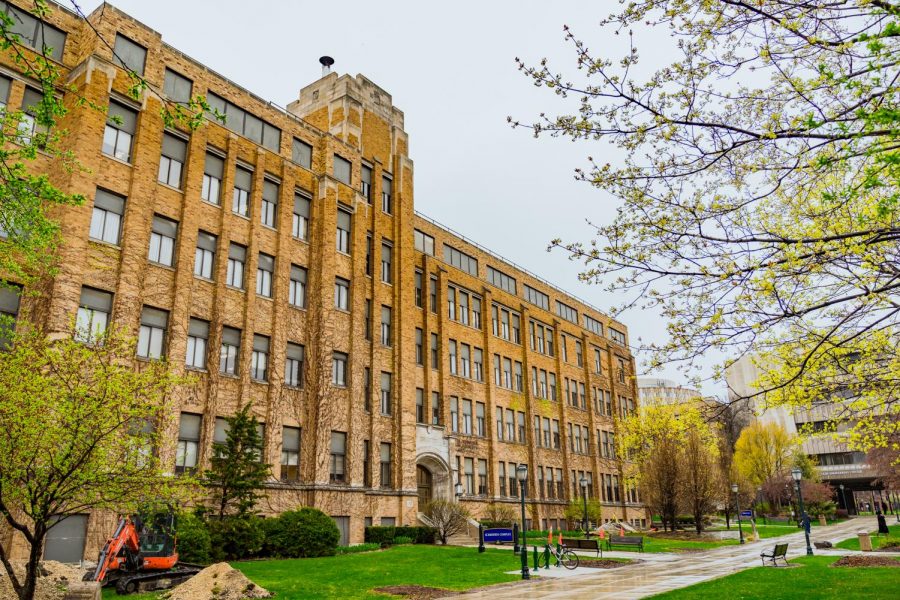
Until the final degree is issued in 2029, that concern and disappointment is set to loom in the air in Schroeder Complex.
“I do not wish this upon any other program at Marquette University,” Everard-Gigot said. “What we have gone through, it’s been frustrating and heartbreaking.”
This story was written by Lance Schulteis. He can be reached at [email protected].