
In recent years, lawmakers and school boards have banned countless books in K-12 schools. Censorship of literature puts students at a learning disadvantage because they lack exposure to diverse perspectives during their most critical time of development.
Since 2021, there have been 22,810 banned books across the U.S. Books such as Jay Asher’s “Thirteen Reasons Why” and Jodi Picoult’s “Nineteen Minutes” are notoriously banned nationwide for containing portrayals of suicidal ideation, school shootings or sexual assault. However, many other banned titles are often from authors of color, female authors or LGBTQ+ authors.
More than ever, American schools have seen an uptick in laws restricting the content of books allowed in schools. Interest groups have advocated laws to be passed that result in censorship of literature, like Florida’s Parental Rights Law.
Also known as the “Don’t Say Gay” law, the legislation gives parents the fundamental right to “make decisions regarding upbringing & control of their children” in schools and prohibits sexual orientation or gender identity from being taught at some grade levels.
This allows parents to reject any concept they feel is not appropriate for their child to be taught, which often includes books with LGBTQ+ content or critiques of U.S. history.
This law has led to discriminatory rejection of topics like LGBTQ+ history, Critical Race Theory or critical interpretations of U.S. history. The disproportionate number of topics silenced in curricula relating to marginalized groups suppresses these identities, especially LGBTQ+ youth. The decisions that schools make in accordance with parents’ rejections imply that students shouldn’t read LGBTQ+ content or learn about America’s racist past.
In households, parents can control what content they’d like their children to be exposed to. However, public education is intended to promote diverse experiences and education for all, not to solely fit the ideals of people with power who want schools to match their elitist values.
Censoring literature goes against the purpose of K-12 education — to inform young people about the current state of our society and to reflect on how citizens can create a better future with the past in mind.
Parents should be able to provide feedback rather than restriction to schools to make them as safe and effective as possible. Attempting to shift the content that all students learn is overstepping because all parents hold differing values in how they raise their children.
If an instructor or parent feels that a piece of literature threatens the safety of their child or contains triggering content, they should prevent the individual student from reading it for the sake of their safety.
Conversely, those who are not harmed by the ideas of these books should still have access to them. These portrayals of violence and mental health are important for young adults to understand so they are equipped to recognize the warning signs in others.
Beyond safety, when a parent or lawmaker’s argument shifts to the claim of ideologies or identities threatening children’s safety, they instill the idea that there is something wrong with these concepts. Shielding children from books that expose unique identities decreases empathy for others. A staggering 41% of censored books have LGBTQ+ centered plots. The most frequently censored LGBTQ+ books in the past five years include “All Boys aren’t Blue” by George M. Johnson, “The Bluest Eye” by Toni Morrison and more that provide realistic narratives of these identities.
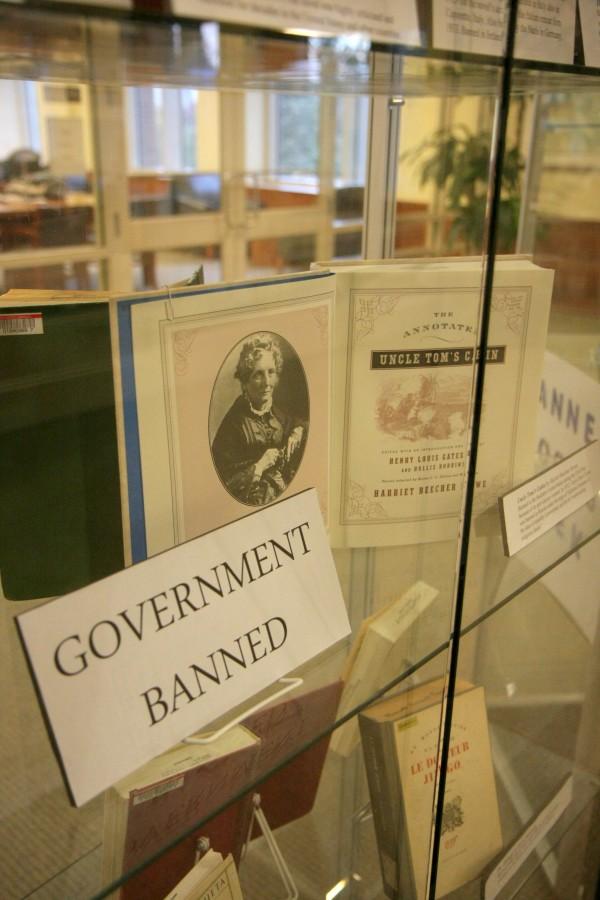
In a historical context, school boards and lawmakers frequently attempt to censor titles that depict harsh historical truths or dystopian plots with unflattering portrayals of the government. “Narrative and Life of Frederick Douglass,” a memoir that tells the firsthand account of Frederick Douglass’s experience as a slave in abolitionist America, was banned throughout Oklahoma for themes of Critical Race Theory. By banning this raw depiction of America’s racist roots, we are essentially attempting to erase history.
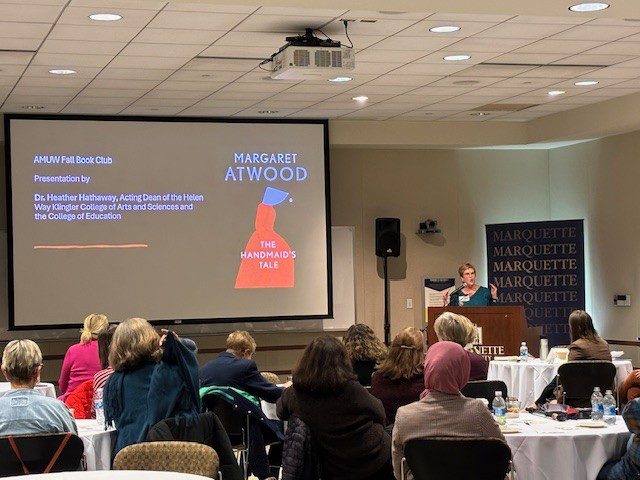
From a dystopian standpoint, censoring texts such as “The Handmaid’s Tale” by Margaret Atwood or “The Giver” by Lois Lowry does not derive from the fact that they contain vulgarity or violence. These titles are censored to discourage young people from forming negative perceptions of the government or understanding what creates public unrest.
By banning these types of books, children are implicitly told that there is something wrong with the ideas or identities presented in books that discuss LGBTQ+, feminist or racial content. In the real world, this equates to children forming negative perceptions towards people unlike themselves rather than open-mindedness and empathy.
Schools must keep books that discuss diverse identities on shelves. These books teach children how to respect and be kind to others, with a lesson that every student’s identity — in culture, gender and sexuality — is worth embracing.
This issue in K-12 schools is not exclusive to those with extreme political stances; it is an epidemic impacting schools in communities of all sizes, regardless of the makeup of their student bodies. The vast restrictions on what can and cannot be taught do not protect students, as the loss of learning opportunities takes away their ability to make sense of the world around them.
Reading is a privilege that students are fortunate to have, and literature is the key to exploring what makes societies unique historically and present-day. Banned titles cannot be ignored, as they are powerful vessels of communicating topics to America’s youngest generation.
This article was written by Bella Gruber. She can be reached at [email protected].