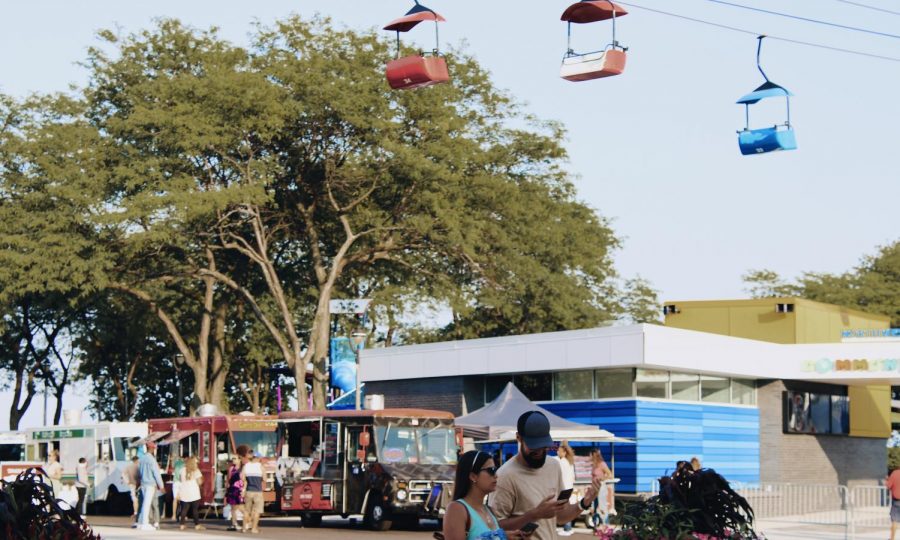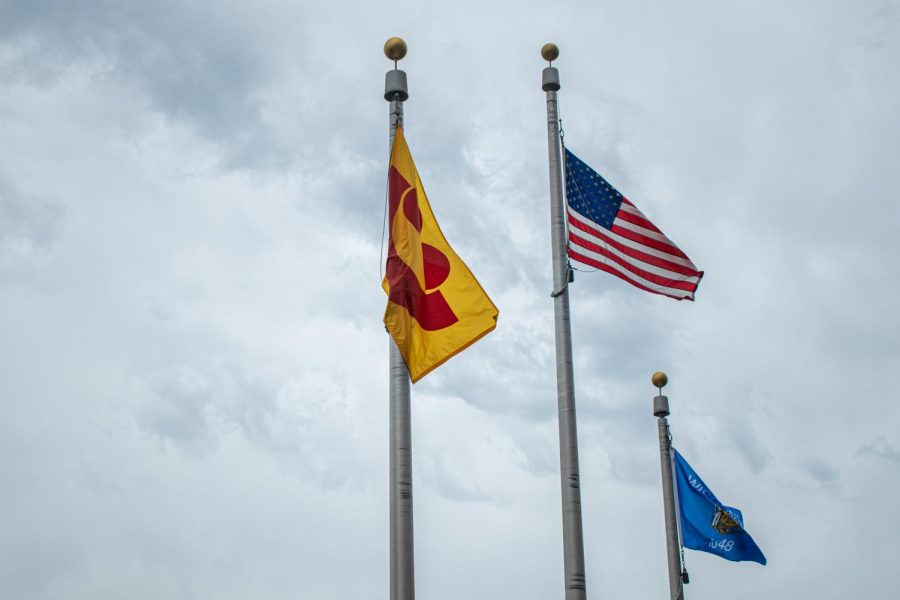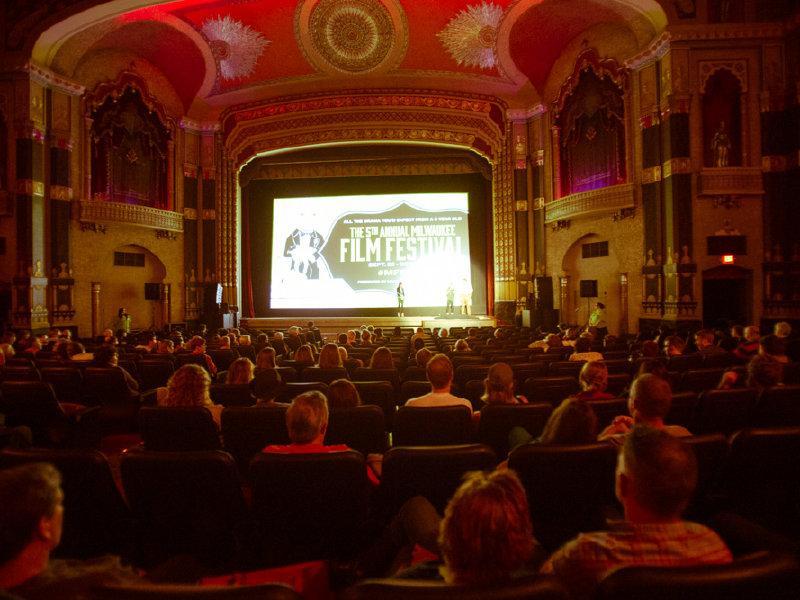


For nearly a century, Milwaukee has been known as the “City of Festivals,” holding nearly 150 festivals year-round.
Milwaukee’s city-wide celebrations are recognized for uniting people under one purpose: to honor all members of our community. By dedicating weekends to making minority groups in Milwaukee feel seen and heard, these festivals are integral events in building a sense of belonging in our home.
As Milwaukee grows as a city, ethnic groups will continue expanding, building an even richer city identity. In today’s age, social media’s ability to rapidly connect people has made these festivals easily accessible.
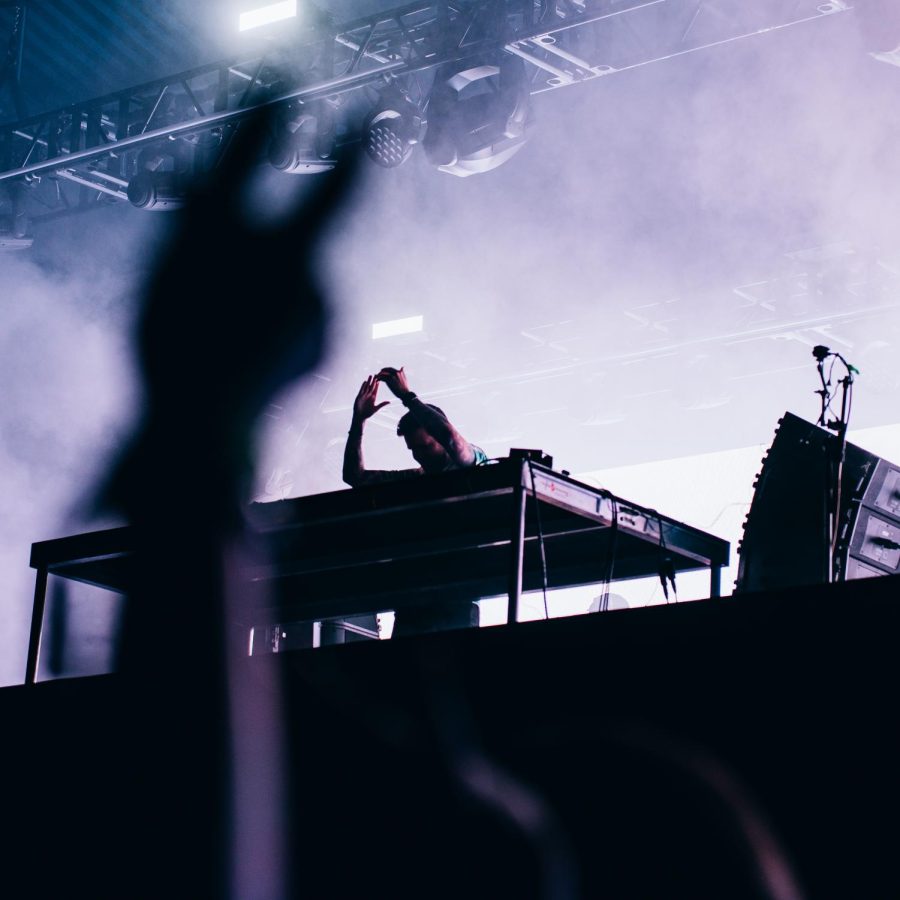
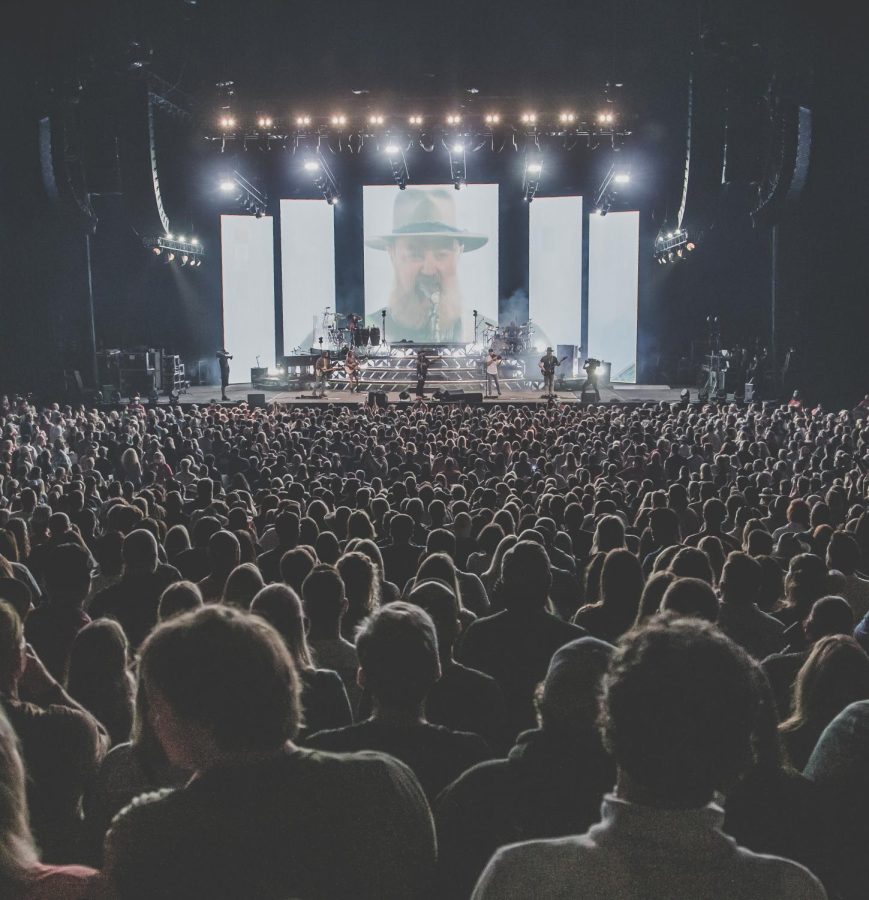
Without a doubt, Milwaukee’s largest festival is Summerfest, with over 600,000 attendees this past summer. Running for over fifty years, Summerfest has become a diverse hub of live music each year, offering musical artists from countless genres, from Afrobeats to K-pop.

Each ethnic group has been present in Milwaukee for decades, yet Summerfest’s inclusivity has only taken place in recent years; as the festival was originally intended to showcase German culture. By making Summerfest a unifying event for all communities in Milwaukee, makes Milwaukee’s community aware and proud of being a part of such a diverse city.
Besides the diverse lineup of artists, Summerfest’s “Latin Music Day” is an entire day dedicated to celebrating Latin music. By recognizing the Latin community in Summerfest’s rich lineup, people feel represented because there is something for everyone. Mainstream or underground, music is used as a powerful tool to bring people together because of the stories it tells.
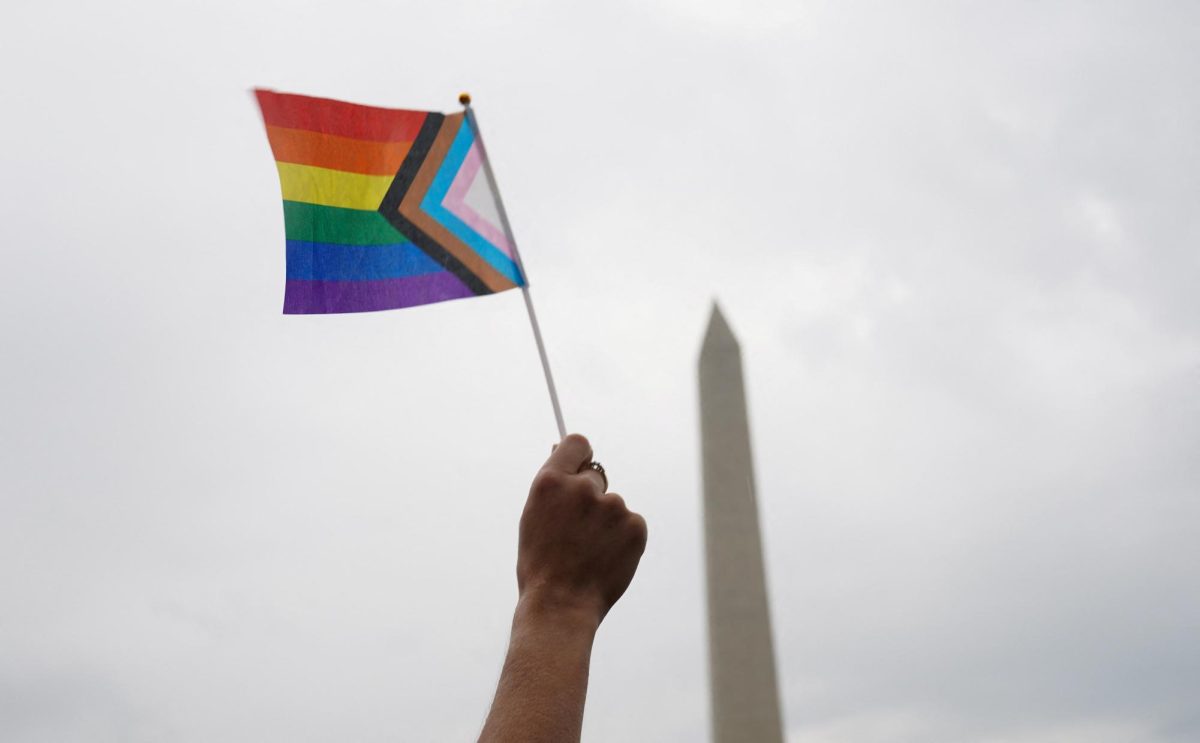
Although each festival in Milwaukee has a fanbase some groups have experienced political conflicts that have resulted in difficulties in sponsoring pride festivals that are significant in embracing their identities. The LGBTQ+ community has faced challenges from Washington D.C. this year that invalidate its presence as a minority, such as anti-dei legislation, and many threatening policies against the existence of LGBTQ+ people.
For pride festivals nationwide, these challenges have led to difficulty in retaining sponsors, as many corporate companies have rescinded their donations towards other cities’ festivals. For cities like St. Louis and Minnesota’s Twin Cities, this meant that they lost thousands of dollars in sponsorship. Fortunately, Milwaukee’s sponsors have remained supportive of PrideFest and have resisted anti-DEI legislation.
LGBTQ+ youth have already faced higher rates of housing insecurity and mental illness compared to non-LGBTQ+ youth. It is essential that PrideFest continues to obtain its sponsors, as the festival increases LGBTQ+ visibility in Milwaukee. This year, PrideFest reached record-breaking attendance, with 46,168 visitors. With all challenges considered, this crucial support validates the identities of LGBTQ+ members.
Cultural festivals play a significant role in giving back to their communities. For Mexican Fiesta, Hispanic food, dance and history are key elements of this high-energy festival in late August. The Wisconsin Hispanic Scholarship Foundation sponsors Mexican Fiesta, which fundraises a great amount of the proceeds for local Hispanic students pursuing higher education.
Milwaukee has also added new festivals. “Celebrating Palestine” made its debut at the Marcus Performing Arts Center this year, showcasing Palestinian art, food, and heritage to almost 2,000 attendees. Considering the Israeli-Palestine war that has continued for decades, holding events such as “Celebrating Palestine” are crucial in ensuring that its population does not feel isolated but rather empowered as an ethnic group in Milwaukee.
These are only a handful of cultural festivals that take place each year; however, each one returns to the idea of featuring the unique aspects of a given culture. Events such as the Third Ward Art Festival and Labor Fest that were held Aug. 30-Sept. 1 recognized the working class and many small businesses that are the backbone of Milwaukee.
In September and October, many communities hold fall festivals, like Greenfield’s Fall Family Fest or Milwaukee’s 15th Annual Oktoberfest.
While these events are fun social outings, it should not be forgotten that Milwaukee’s cultural festivals play a vital role in fostering safe spaces for minorities to embrace their heritage. The wide span of cultures that Milwaukee’s festivals have covered is inclusive, but cultural groups’ voices must be amplified yearlong, not solely during festivals.
This story was written by Bella Gruber. She can be reached at i[email protected]