

Clocks turned back earlier this month, and like clockwork, the winter blues are back for some. The shorter, colder days trigger Seasonal Affective Disorder, a cyclical mental health condition.
SAD is a type of depression most commonly found in 18–30–year–olds. Beginning in fall and running through winter every year, SAD is different from depression, which persists year-round.
While the “winter blues” are milder and more common, SAD symptoms include low energy, excessive sleeping, social withdrawal, sadness, hopelessness, loss of interest, carbohydrate cravings, difficulty concentrating and irritability.
These symptoms can affect the academics, social life and motivation of college students, psychiatrist Tom Wright, who has private practices in Milwaukee and Traverse City, said. College students commonly lack a structured routine, which can be a contributing factor to SAD.
“Don’t slow down, make sure there’s activity in your schedule,” Wright said.
Exercise, sunlight, consistent sleep, a balanced diet and connection with others can be helpful habits, especially during winter months.
While keeping good habits, Wright said, monitoring symptoms and other life factors is also important. Understanding the degree of depression and time of year is critical to differentiating SAD from depression.
Journaling is a tool Wright recommends for noticing patterns.
“Look back at entries and talk to people that have known you for years and see if this is a pattern you’ve seen consistently that went unnoticed,” he said.

SAD may affect some of the Marquette University community, as 52% of Midwesterners report a decline in mood during the fall and winter, 36% of which feel depressed. Out-of-state students from warmer climates are also susceptible to SAD.
“It can make people’s day-to-day life feel harder or heavier,” Emilia Jakel, a junior in the College of Arts & Sciences, said. “Know that [your] mood might be affected by the changes and give [yourself] grace and more time for self-care.”
As a Peer Wellness Educator, Jakel and her colleagues promote healthy choices and decision-making that improve students’ wellbeing. As students themselves, Jakel said her team offers a unique perspective on maintaining wellness in college.
“Don’t hesitate to reach out for help,” Jakel said. “Students experience SAD every year, so there are so many resources that are equipped to help you.”
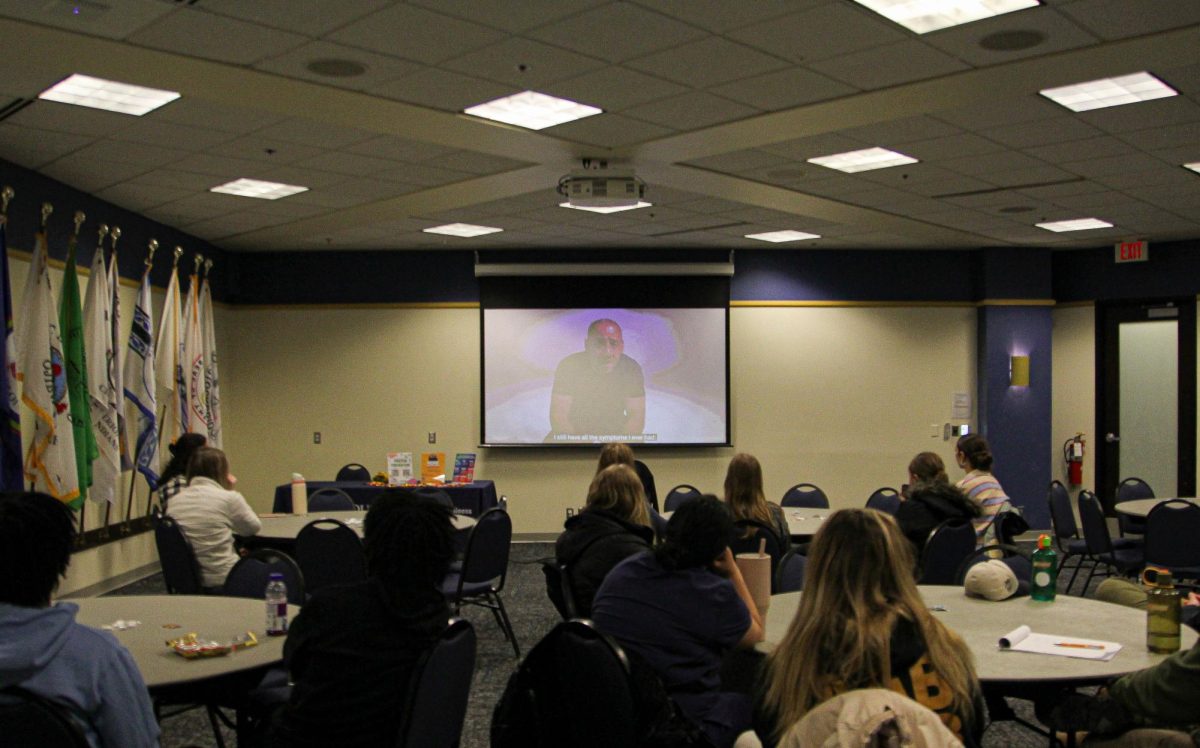
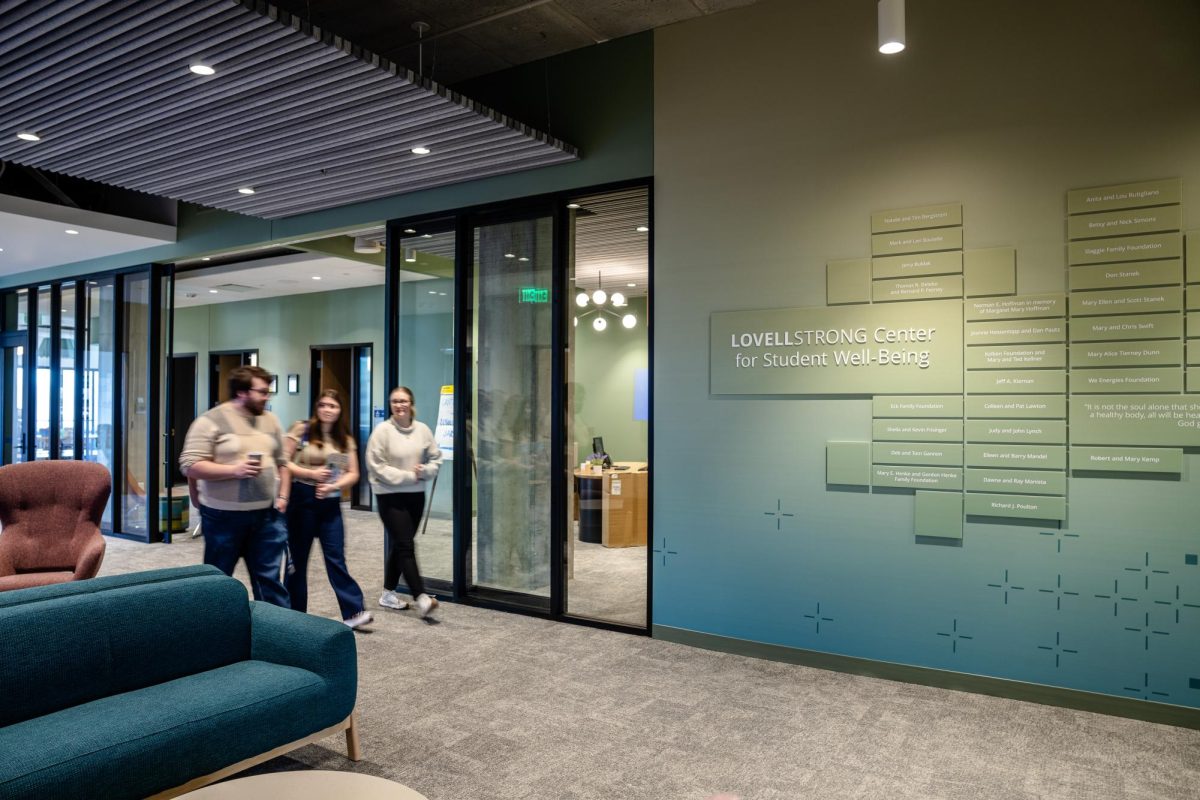
Marquette University’s Wellness + Helfaer Recreation Center boasts a counseling center, medical clinic, peer coaching and recovery center that are always available on the 3rd and 4th floors of the Wellness Center. Events and classes are also hosted throughout the year, like the “Scaling Wellness In Milwaukee” classes from 4-5 p.m. every weekday and events as-scheduled with the Campus Activities Board.
Light boxes are also a common tool to combat SAD. They can imitate the sun and trick the brain into thinking it’s a different season, igniting a chemical reaction in the brain. Sitting in front of a light box for 30 minutes within the first hour of waking up is shown to improve one’s mood and ease symptoms. Light boxes typically cost between $20-$200, depending on the style and brand.
“When it’s sunny, I’m always happy,” Carli Filek, a first-year in the College of Communication, said. “When it’s cold, I feel more unmotivated and just want to stay inside.”
Light boxes can come out of hibernation once daylight savings ends and can be traded for real sunlight once clocks spring forward again in March. Students can also bundle up and sit on benches around campus or keep curtains open to soak up as much sunlight as possible.
Like a broken leg that can’t simply be ignored, Wright said there are evidence-based treatments for mental health that help students bounce back.
With the winter months ahead, students will see changes in the environment and may, consequently, feel changes in themselves. No matter the struggle, various resources are available to students at the Wellness Center as support throughout the year — not just when the seasons or clocks change.
This story was written by Elena Metinidis. She can be reached at [email protected].