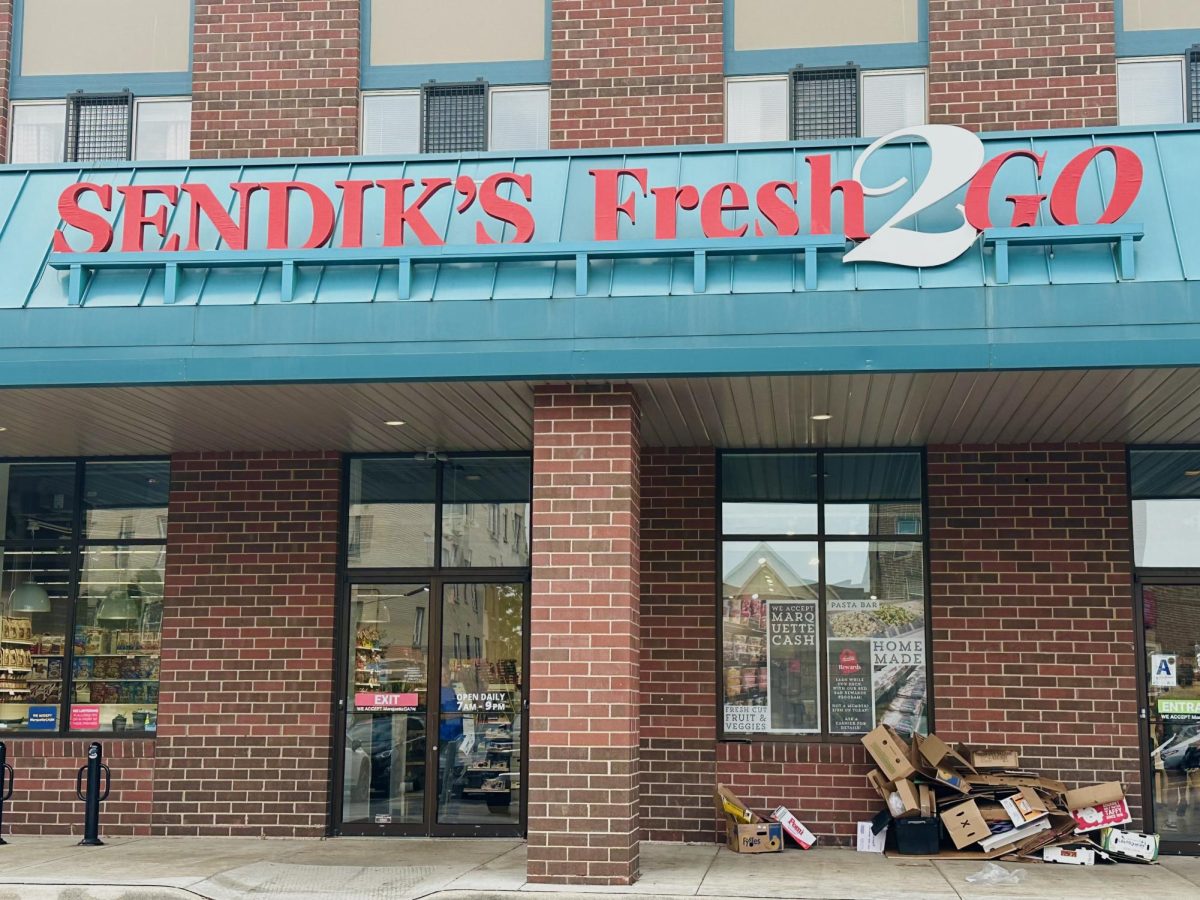

The food desert crisis in Milwaukee expands as various grocery stores and pharmacies continue to close. Many residents no longer have nearby access to fresh food and medical prescriptions, emphasizing the need for change. Milwaukee must take legislative action in order to maintain the health and well-being of its citizens.
Food deserts are geographic areas, neighborhoods or communities that have little to no access to affordable fresh food and are often low-income. People in these areas are more likely to suffer from health problems like diabetes and obesity due to the lack of accessible healthy food.
In recent years, many major grocery chain stores have closed in Milwaukee, including Pick ‘n Save, Aldi and Walmart. At least seven full-serve grocery stores have closed within the past year in Milwaukee County. Multiple Walgreens and CVS Pharmacies have shut down as well. The closings have raised concerns about how residents will get their essential items.
Many locals do not have personal transportation, so having the ability to walk to a nearby store is extremely convenient. However, walking is not a favorable option when the closest store is miles away, during adverse weather or if one has a physical disability that prevents them from walking long distances.
When Milwaukee’s northwest side lost its Sentry Foods on 64th and Silver Spring — which was open for less than three years — residents were upset because the neighborhood would no longer have a grocery store within a mile.
The closing, especially, came as a disappointment because, prior to Sentry’s opening in 2023, residents of the area had been asking for a quality grocery store for more than 15 years.
A Sentry customer, Mike B., told WISN-12, “I gotta go elsewhere. I don’t know where I’m going to go.”
The city’s growing food desert crisis is becoming increasingly more imperative. In order to buy food, residents have to pay higher prices at convenience stores or face transportation costs as they shop at stores further away. While these options may work, they are not the most sustainable for working families or low-income citizens.
Many of these store shutdowns are due to rising food costs, thin profit margins, staffing issues, theft or even the ongoing aftermath of flood-related damages from August. Some store owners like Maurice Wince — owner of Sherman Park Grocery Store — are worried that they will be next to close.
“There’s more going out than there is coming in monetarily,” Wince said to WISN 12. “We can’t sustain ourselves without enough cash flow right here at the register.”
It is the city’s responsibility to ensure that citizens can get the food and supplies they need from reliable grocery stores.
Some Milwaukee Common Council members have proposed a new ordinance involving the Department of City Development working with the health department and other agencies to create a plan that would recruit and keep grocery stores and pharmacies in the city.
“People need access to good, healthy, fresh foods in order to survive. So yes, there is a moral responsibility there,” Milwaukee Mayor Cavalier Johnson said.
Milwaukee County Executive David Crowley believes that working with local entrepreneurs could help address the issue by expanding their capacity and increasing people’s access to food.
While city officials are discussing possible solutions, the gravity of the situation calls for something more urgent.
The rising food desert crisis in Milwaukee demands a solution, and it needs one now. Action must be taken in order to protect and provide for the city’s residents.
This story was written by Rachel Lopera. She can be reached at [email protected].