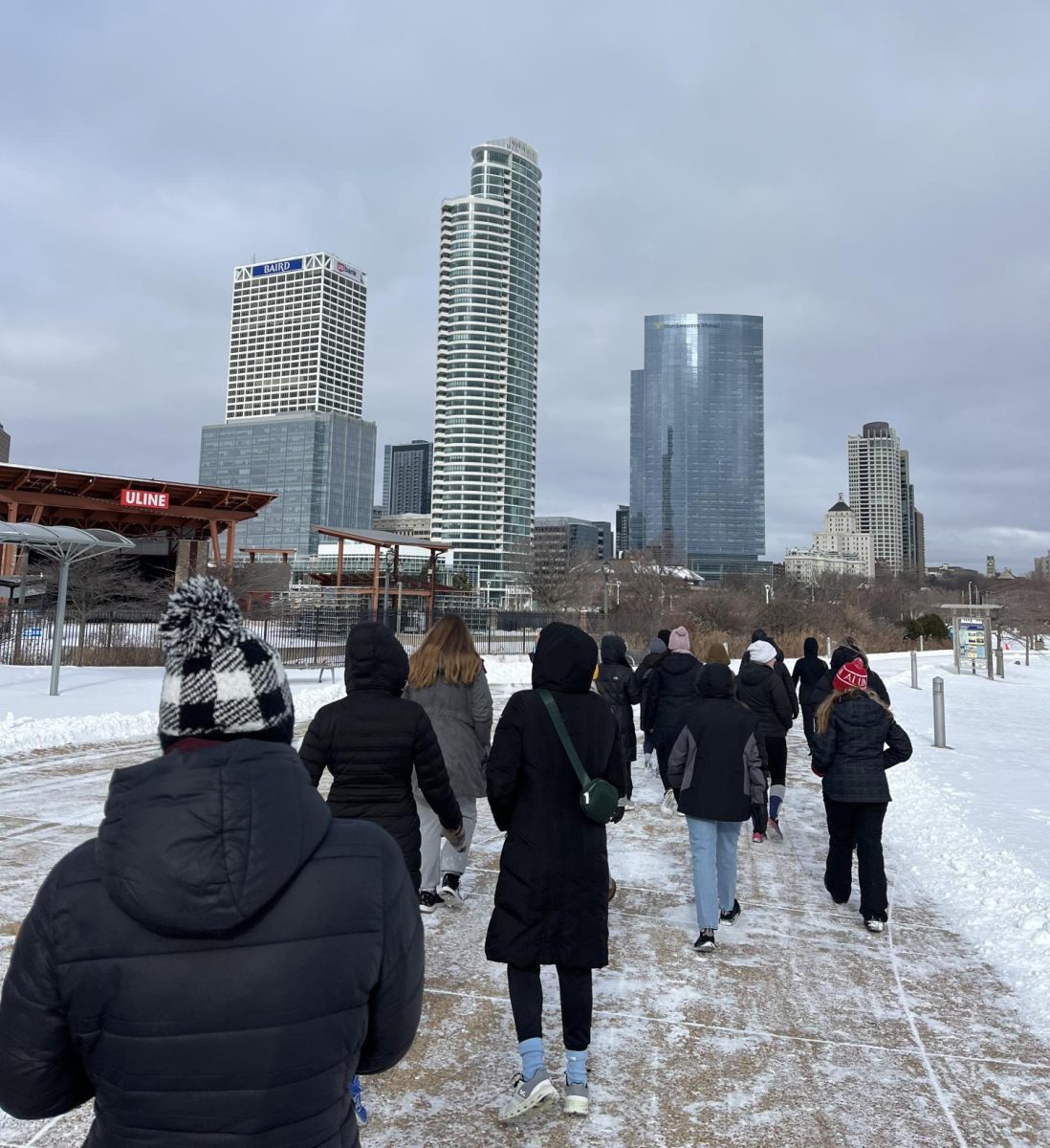
Milwaukee canceled its Cesar Chavez Day event in response to the March 18 New York Times report accusing Chavez of sexually abusing women and girls. While it is a serious matter to contemplate, we cannot simply erase history.
Chavez was a Latino civil rights activist and helped co-found what is now the United Farm Workers labor union. He advocated for farm workers’ rights, led strikes, boycotts and cultivated a legacy of social justice. He passed away in 1993 at age 66.
The New York Times interviewed several women about their interactions with Chavez, revealing multiple sexually inappropriate encounters. The women recalled Chavez molesting them and non-consensually touching and kissing them as minors and carrying into their adulthood. They spoke of disgusting, traumatizing experiences that no woman should ever go through.
Among the victims was Ana Murguia, who was 13 years old when Chavez would summon her for sexual encounters. He was 45 years old.
After the allegations surfaced, the UFW Foundation released a statement announcing the cancellation of all Cesar Chavez Day activities this month. Many states are debating how to proceed with the holiday, which takes place on the namesake’s birthday, March 31. Cities including Lansing, Mich., San Jose, Calif. and Milwaukee, Wis. have cancelled their annual celebrations.
The decision to rescind the yearly event is within good judgment and acknowledges the severity of the accusations. However, Chavez’s work as an advocate for farmers’ rights should not be forgotten.
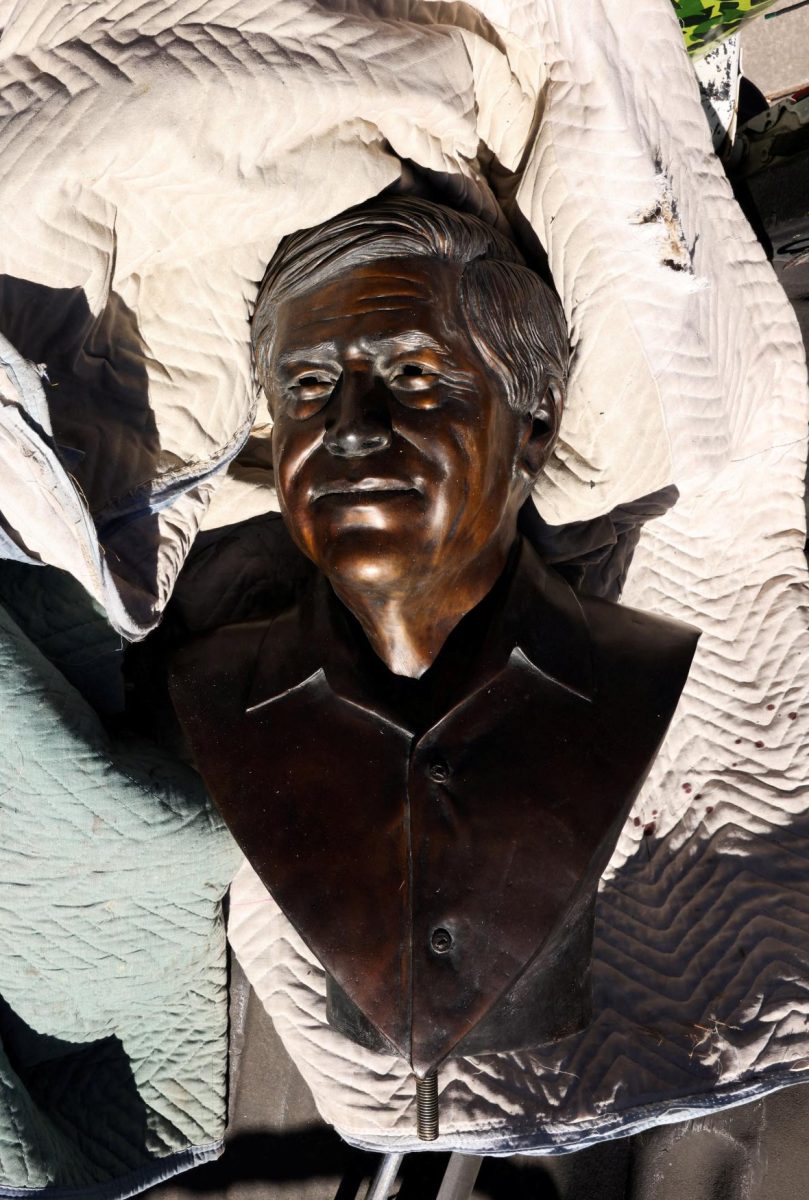
The City of Milwaukee has murals and statues honoring Chavez’s legacy. It even renamed part of 16th Street as South Cesar E. Chavez Drive in 1996. It is unclear as to whether the city will rename these landmarks, but it is something important to consider. A statue of Chavez on Cesar Chavez Drive and Mineral Street was taken down on March 20 and will supposedly be replaced with a statue of a migrant family.
Additionally, County supervisor and labor organizer Juan Miguel Martinez has called for the road to be renamed after Dolores Huerta, a victim of Chavez and a co-founder of the National Farm Workers Association.
“Too often, men of status abuse their power and use it for heinous acts towards women, and especially toward defenseless children,” Martinez said in a Facebook post. “A union is built by people, not one person.”
We cannot completely remove Chavez from history but instead recognize his integral work in a movement that was much bigger than himself.
There is no denying that these women’s stories should be taken seriously, and consequences should be dealt with, but they are also a part of the education process. Many past leaders and those we have deemed as “icons,” like Elvis Presley, have had egregious allegations surface, altering public perception. While it can be difficult, it is in our best interest to incorporate the harsh realities with the positive outcomes of their work.
It may taint a historical figure’s legacy, but it gives the public what it deserves — the truth.
Completely erasing Chavez includes erasing the changes he made, which is something we must avoid. He was a pioneer for the Latino community and American farm workers. It is still important to remember him — just not in the same way we have been. We can still celebrate historical progress without upholding one specific person.
While we can no longer bring ourselves to honor Chavez as a man, we must still honor the causes he fought for.
This story was written by Rachel Lopera. She can be reached at [email protected].