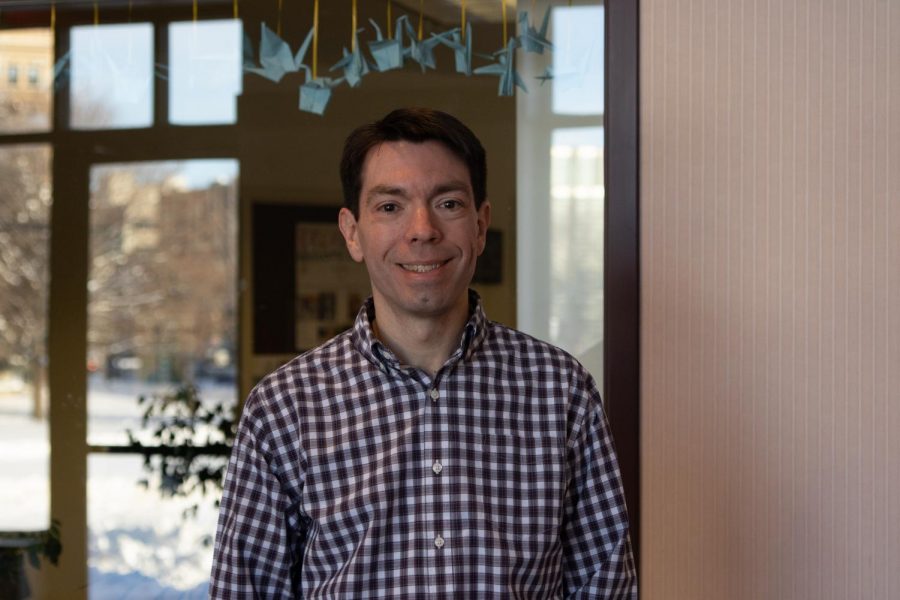


Fatih Harpci, Marquette University’s new Muslim chaplain, did not grow up wanting to be a theologian. Quite the opposite — he wanted to be a doctor.
Religion was the last thing he wanted to study or pursue a career in, but politicians in his home country had other plans.
Harpci grew up in Turkey, a country which, up until recently, was known for its strict secular laws. These laws, known as laïcité, meant that men who the state identified as “too religious” were penalized with decreased GPAs if they pursued education in fields such as medicine, law or engineering. Conversely, people in this group were rewarded with increased GPAs if they studied religion in their post-secondary endeavors.
“I sort of accepted the idea that this was my destiny,” Harpci said. “And I have enjoyed studying and learning theology since then.”
Harpci joined the Campus Ministry staff in the summer of 2025. In addition to his role at Marquette, he is an associate professor of religion at Carthage College in Kenosha, Wisconsin.
He received his bachelor’s degree from Marmara University, Turkey’s most prestigious school for religious studies, before coming to the United States to pursue post-graduate education. He received his PhD from Temple University, where he studied Hadith scriptures concerning attitudes the Prophet Mohammed had toward Jesus.
In an interview with the Marquette Wire, Harpci talked about how his primary goal as the new Muslim chaplain is to guide students along their academic and spiritual pathways.
“I cannot put [students] in a certain shape. I cannot mold them,” Harpci said. “They have struggles, they have needs, they have stories to tell me. My primary purpose is to listen.”
While he is not helping students one-on-one, Harpci advocates for Muslim students on campus. This comes amid continued conversations surrounding issues like halal dining options and access to prayer spaces.
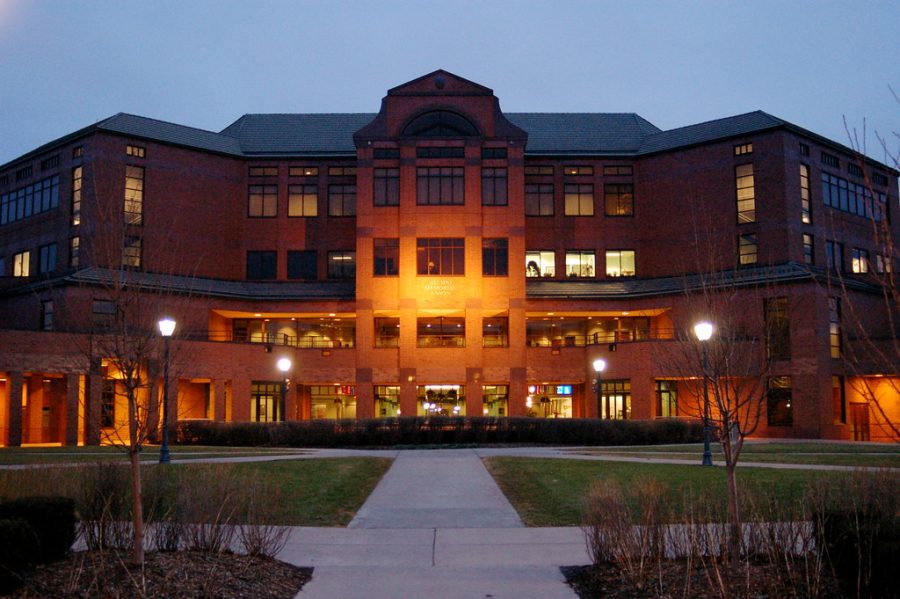
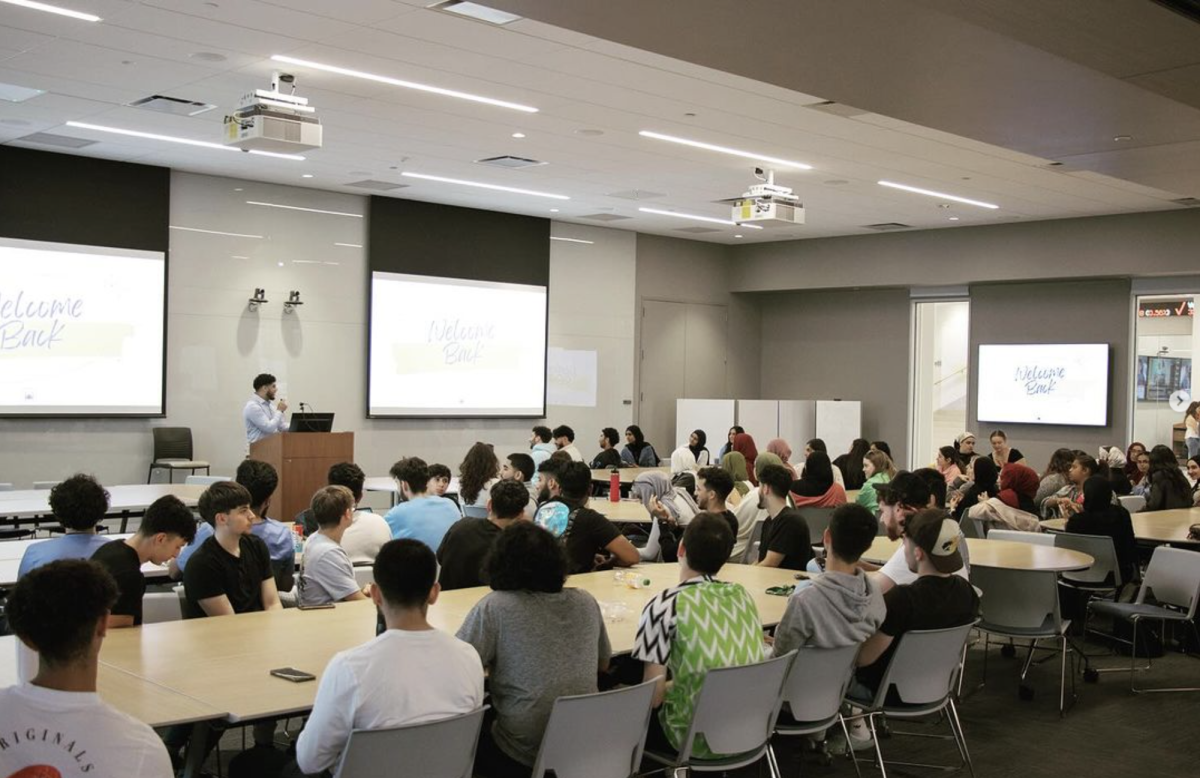
The Marquette Muslim community has spent over a decade advocating for larger prayer spaces on campus. While there is a designated Muslim prayer room in the Alumni Memorial Union, Harpci said it is not big enough to accommodate the number of students who gather every Friday to attend the weekly Jumuah prayer service.
“Considering the size of Marquette’s Muslim community, [a larger prayer space] is an essential need,” Harpci said. “Currently, we keep changing venues every week.”
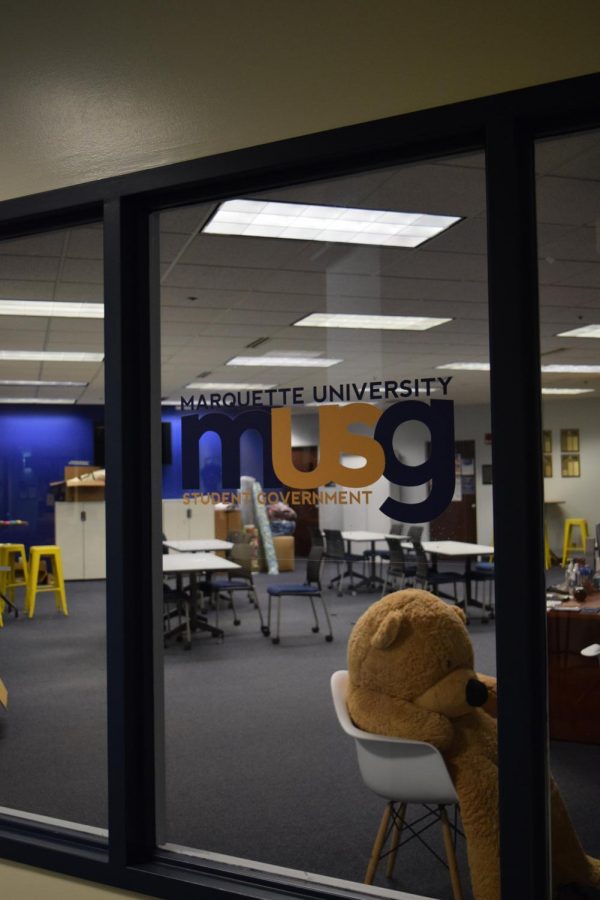
While talks are ongoing with university officials regarding a larger prayer space, he said, he does not believe a decision will be made on the issue in the near future. Marquette University Student Government passed a resolution during the spring 2025 semester inviting the university to collaborate with them in creating a larger Muslim prayer space.
In an email statement to the Marquette Wire, Julianne Browne, MUSG President and a senior in the College of Arts & Sciences, said student government has formed a workgroup with the goal of creating a new, larger interfaith prayer space.
“The group is working to identify and bring together student representatives from each faith community who are interested in beginning conversations of a shared, interfaith prayer space on campus,” she said.
In addition to serving the Muslim community, Harpci works with partners on campus to promote interfaith dialogue. He emphasizes the overlapping values between Islam and the Jesuit Order, specifically the “human first” visions the two share.
“The primary teaching in the Jesuit tradition is seeing the humanness in others,” Harpci said. “This is very much an Islamic idea. God speaks in the Quran saying that we have created you in different nations, in different societies, in different groups so that you can get to know one another.”
Harpci is working with other campus organizations to organize events that promote these interfaith values. He attended the university’s interfaith dinner on Jan. 26 and will speak at “Soup with Substance” on Feb. 16. He is also working with the Muslim Student Association to organize an Iftar dinner during the month of Ramadan.
Iftar occurs every day at sunset during Ramadan, when millions of Muslims around the world break the obligatory fast from dawn to sunset. While MSA has hosted Iftar dinners on campus in previous years, they are not usually attended by students of non-Muslim faiths. He says that this dialogue is key to helping people see the humanity in people of different faiths.
“[Seeing humanity] might seem very simple to some people, but it is very crucial at the same time,” Harpci said. “Understand that the person you are talking to is a human. They have feelings. They have times when they get angry, there are times that they laugh, there are times that they smile.”
While Harpci is working on his own initiatives, he is always happy to assist students with their own ideas to foster interfaith dialogue and collaboration on Marquette’s campus.
“My doors are open, so when I’m here, students can show up anytime,” Harpci said.
Harpci is on campus Mondays and Fridays from 9 a.m. to 2 p.m. His office is located in Campus Ministry, AMU 236F. He can be reached anytime at [email protected].
This story was written by Sahil Gupta. He can be reached at [email protected].