
Children’s health and well-being can be damaged using unsafe toys, making it crucial that gift givers are informed about age-appropriate presents.
As the holiday season begins, December marks Safe Toys and Gifts Awareness Month. People buy gifts for family members or make donations, which many organizations execute across the country. Particularly, the Salvation Army Angel Tree program brings presents to over one million children in a typical year.
However, those who donate may not know about safe, age-appropriate toys if they do not have experience with kids. It is essential that every gift-giver understands which items may be unsafe because the effects can be detrimental to the well-being of young children.
The United States Consumer Product Safety Commission estimated 159,500 toy-related injuries treated at a hospital emergency department and 11 deaths from children aged 14 or younger in 2022. Strikingly, 79,800 of those injuries were to children aged 4-14, so hazardous toys impact more than solely infants and toddlers. Still, almost half of the total accidents occurred to those under four, putting that age group at the highest risk.
Some notable dangerous items include bouncy balls, non-motorized scooters and powered riding vehicles, but injuries are not limited to those. Toys with certain features make them more dangerous, such as cords and strings that can put children at risk of strangulation. Anything with sharp edges can cause harm and items that make loud noises can damage hearing.
Seattle Children’s Hospital noted that small pieces from toys are a hazard to kids under age three due to choking risks.
All Injuries Law Firm reported that for adolescents, ride-on toys are a more common cause of injuries, such as in sprains, fractures or dislocations. Potentially dangerous toys include skateboards, bicycles and scooters for kids under 14.
Since individual features are often more dangerous than the toys themselves, it is important for people to be aware of what traits to steer clear of because the risks can be detrimental.
In addition to parts and pieces, it is also crucial to know what toys are made of. According to Healthcare Highways, exposure to hazardous chemicals or materials like lead and phthalates can cause long-term effects, such as developmental delays, learning disabilities and behavioral issues.
These harmful risks highlight the importance of education on safe and age-appropriate toys as the holiday season approaches.
A helpful resource is World Against Toys Causing Harm, which releases information regarding harmful toys and things to be mindful of when they are used. It also advises people to inspect items once received and to be wary of potentially dangerous pieces.
While some toys can be harmful, they should not be avoided completely. Baby and toddlers are safe with unbreakable gadgets that can withstand chewing, and kids can play safely with toys larger than the size of their windpipe.
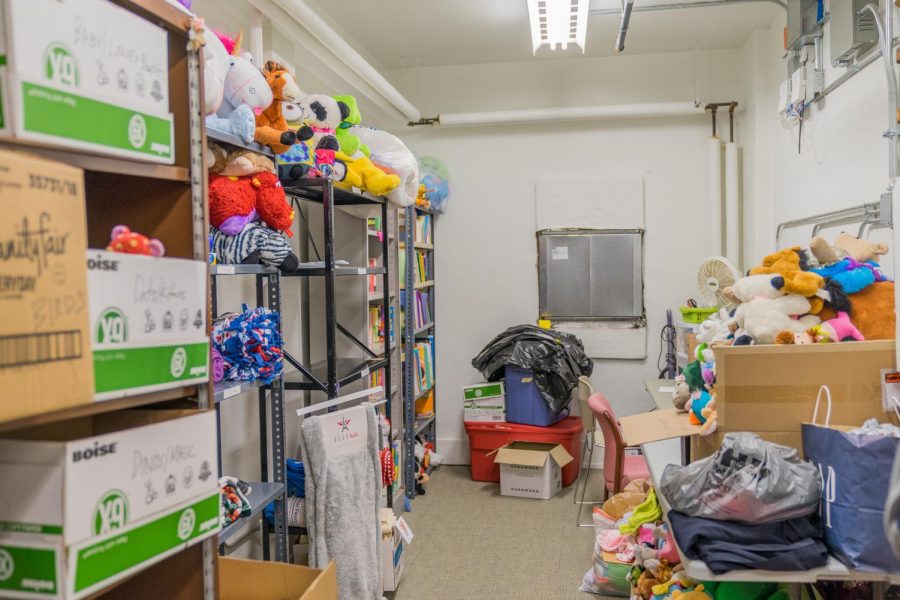
Masses of children receive donated presents for Christmas, emphasizing the spirit of the season of giving. These contributions make a real difference in their lives, which is why it’s important that they are risk-free.
Whether buyers are donating or giving to a family member, it is necessary they not only inform themselves about safe toys but use sound judgment to examine and ensure all parts are safe to use.
So, as people begin to shop for presents this Christmas, it is vital that they understand the potential harm of unsafe toys to protect children’s health and well-being.
This story was written by Amelia Lerret. She can be reached at [email protected].