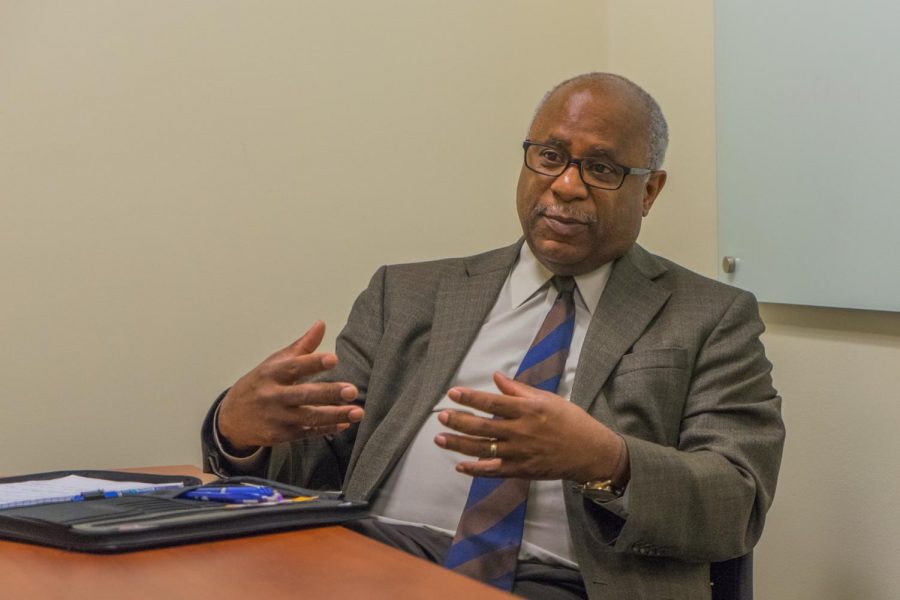


Marquette University President Kimo Ah Yun took the stage in front of nearly 500 people — largely faculty and staff — for his first presidential address on Nov. 12. In his speech at the Alumni Memorial Union, Ah Yun addressed topics like faculty and staff compensation, Campus Climate Survey results and future capital projects.
Here’s what Ah Yun laid out his speech and in a post-address interview with the Marquette Wire:
Provost selection is reaching the closing stages
All final candidates for the position of Marquette’s next provost are in, Ah Yun told the Wire.
One last candidate will come to the university early next week, and then there will be a decision-making period of surveys, committee review and recommendation to the president.
Ah Yun estimates he will have committee feedback no later than Nov. 26.
Sarah Feldner has served as acting provost for over a year while the university has been in the process of selecting a new candidate.
Conversations about restructuring are ongoing
Marquette released three possible college restructuring models to the Wire on Oct. 24. Feldner is leading the process, which was initiated to generate cost savings for the university as it plans to cut $31 million from its budget by 2031.
These structural changes, which would reorganize colleges and move departments, could be implemented as soon as Fall 2027.
Ah Yun told the Wire the conversation is ongoing about university restructuring models.
“I’m involved at a very high level,” Ah Yun said, though Feldner is the one spearheading the reorganization discussion.
While Ah Yun didn’t disclose a specific number of expected cost savings, he said any money saved throughout the restructuring process could be put back into faculty and staff compensation.
“Maybe it’s a cost-saving measure, maybe it’s not,” Ah Yun said. “Maybe it just allows us to work more closely together.”

Employee compensation “continues to be an issue”
Ah Yun addressed faculty and staff compensation as an area that “continues to be an issue” at Marquette. He said he connects with university employees during lunches and social hours to learn what can be done differently.
“We’re engaged with faculty all the time,” Ah Yun said.
During Ah Yun’s first year in office, faculty and staff have continued to protest university budget cuts and advocate for higher wages. In April, outside of the Al McGuire Center where Ah Yun’s presidential inauguration address was held, some pro-union protestors demanded improved financial compensation and better working conditions.
In May, university leadership approved a $4.1 million salary pool for discretionary merit-based pay increases for employees. These increases are given to “high-performing employees” and vary by position. In addition to the merit pool, the Executive Leadership Team also approved a $1.8 million pool for market adjustments to staff, tenured/tenure-track faculty and non-tenure-track salaries.
Ah Yun said some faculty and staff have expressed appreciation for additional money going toward their paychecks.
“I’m grateful to all the faculty and staff that are here. Our university cannot be great without all of you,” Ah Yun said in his address. “Thank you for showing up every day.”
While more needs to be done to increase employee salaries, Ah Yun said, raising tuition is the wrong way to do it. He said the majority of Marquette’s revenue comes from students, but the burden of increasing tuition should not fall on them, so the university will have to look at other methods of increasing salaries.
“This is something that our campus community says we need to do something about, and we can’t do it on the backs of our students,” Ah Yun said.
Next capital projects could prioritize sciences, dorms
While ensuring a Marquette education is accessible for all, Ah Yun said, the university is looking to further invest in infrastructure.
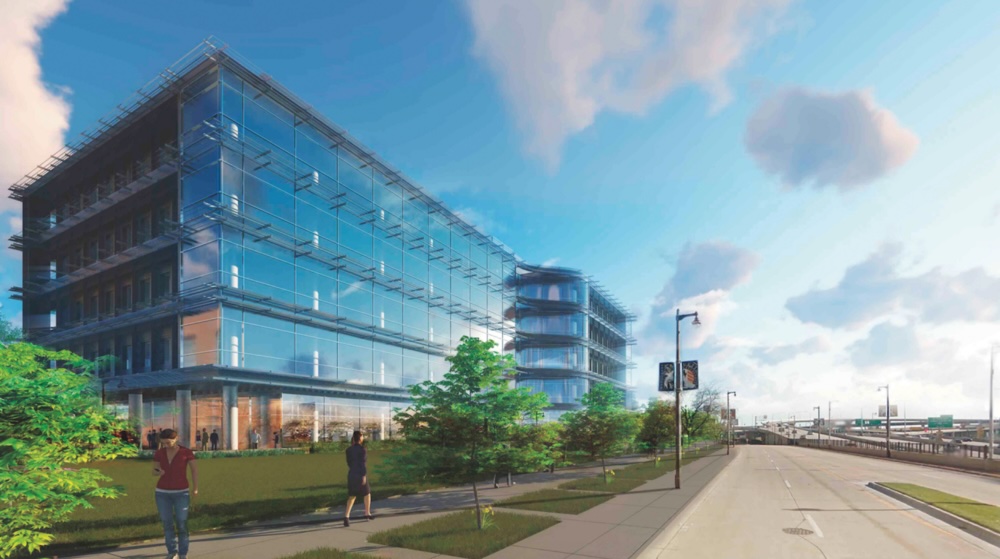
The latest campus master plan, adopted in 2015, included buildings like the Wellness + Helfaer Recreation facility that Ah Yun said have benefitted the university. A proposed sciences district is the only capital project from Marquette’s $600 million campus master plan that hasn’t been completed.
A future master plan will likely “lean into the sciences” for capital projects, Ah Yun said. One goal is coming up with a definite plan for the sciences district that would include labs, research spaces and classrooms, he told the Wire in August.
Ah Yun also said the university needs a plan to intertwine student living with learning spaces, making undergraduate housing more appealing.
“We know that there are some residence halls that need to be updated and others that probably need to be taken down,” he said.
University will address gaps in comfort on campus
Marquette released the results of Campus Climate Study on Sept. 4. The survey, taken by over 3,300 participants, revealed gaps in comfort for some students and employees on campus.
Ah Yun pointed out three main findings from the results: gaps in social identity groups still exist; comfort with the campus climate has declined among faculty; salary and compensation still remain a concern for faculty and staff.
As an example, Ah Yun said, first-generation students and students of color don’t feel as comfortable as their peers at Marquette. While the university has closed certain equity gaps in the past, he said, there is still work to do moving forward.
Ah Yun also addressed a decline in comfort reported by faculty and staff. He said he was saddened by these findings and acknowledges that this is a spot the university needs to focus on.
“The reason why that’s unfortunate is because we know that this is an important arm of the connection of our students’ engagement to the university,” Ah Yun said.
Marquette held over 30 post-survey focus group sessions for individuals to discuss the results of the Campus Climate Study. Ah Yun said the university hopes to start collecting campus climate data every year — instead of every five years — to better measure how the community’s feelings are changing.
Ah Yun also asked members of the University Leadership Council to look through survey data and identify potential solutions for currently existing gaps. In December, he said he will receive data and feedback from the study implementation team about possible solutions.
“Please know this is something I am mindful of,” Ah Yun said.
This story was written by Mia Thurow. She can be reached at [email protected].