

On Marquette’s campus, marginalized groups feel less comfortable than their white, heterosexual counterparts; faculty and staff seriously considered leaving the university; and both students and faculty experience gender and racial exclusion.
These are some of the results of Marquette University’s Campus Climate Study released Sept. 4.
The Marquette Wire reached out to university officials, as well as impacted students, to discuss the survey results and overall feelings of inclusion at the university.
“We conduct the campus climate survey to better understand our community members’ experiences of belonging, inclusion and well-being across Marquette,” Luis de Zengotita, chief wellness officer and executive committee member of the Campus Climate Study, said in a statement to the Wire.
While the overall response rate was 24% — and just 18% for students — Laura MacBride, co-chair of the Campus Climate Study Implementation Team, told the Wire that the individuals who responded were generally reflective of Marquette’s population.
Here are a few key takeaways from the study.
Some respondents reported gaps in comfort, learning
Almost three-quarters of survey respondents indicated they were “comfortable” or “very comfortable” at Marquette, but some historically marginalized groups responded with notably lower rates of comfort, MacBride said.
Teresa Navarrete, a senior in the College of Arts & Sciences and president of Marquette’s Latin American Student Organization, said the survey results seem accurate. She said almost everyone she’s talked to about campus comfortability has mentioned a specific instance of racial discrimination or bias.
This year, Navarrete created a survey — which got 39 responses — for those in LASO and other Hispanic students to anonymously share their experiences on campus. Some students mentioned positive resources like Marquette’s Nuestro Hogar Living Learning Community and Educational Opportunity Program.
However, many also mentioned their personal experiences with discrimination on campus: being the victims of micro aggressions, weird stares and stereotyping.
“We all share the same feeling, and we don’t feel the most comfortable here at Marquette,” Navarrete said.
According to the Campus Climate Study results, Hispanic/Latinx students reported academic performance levels 10-12 points lower than their non-Hispanic peers. Chris Navia, acting vice president for belonging and student affairs, said Marquette hopes to close this gap.
Navarrete said she feels like Hispanic students have to take action of their own to see their culture represented on campus. LASO does this, she said, by planning and hosting social events.
“We like to share these events with everyone, and not just Latino-exclusive,” she said.
Olivia Gerhardt, a senior in the College of Communication and president of Marquette’s Gender Sexuality Alliance, said she hears mixed responses from LGBTQ+ students about their feelings of comfort and safety on campus. Some of these feelings are based on negative experiences with peers and religious groups, she said.
Gerhardt said these students just want to feel outwardly supported by their university.
“Due to the current political climate, many of us are afraid for what the future holds for programs and events related to the LGBTQ+ community, and knowing that the university is in our corner could be extremely reassuring,” Gerhardt said in a statement to the Wire.
Gerhardt cited Marquette’s LGBTQ+ Resource Center — and GSA — as safe spaces for LGBTQ+ students.
Navia said the university’s Division of Belonging and Student Affairs is undergoing efforts to foster inclusive practices and greater student belonging in light of the survey results.
 A significant number of faculty, staff considered leaving
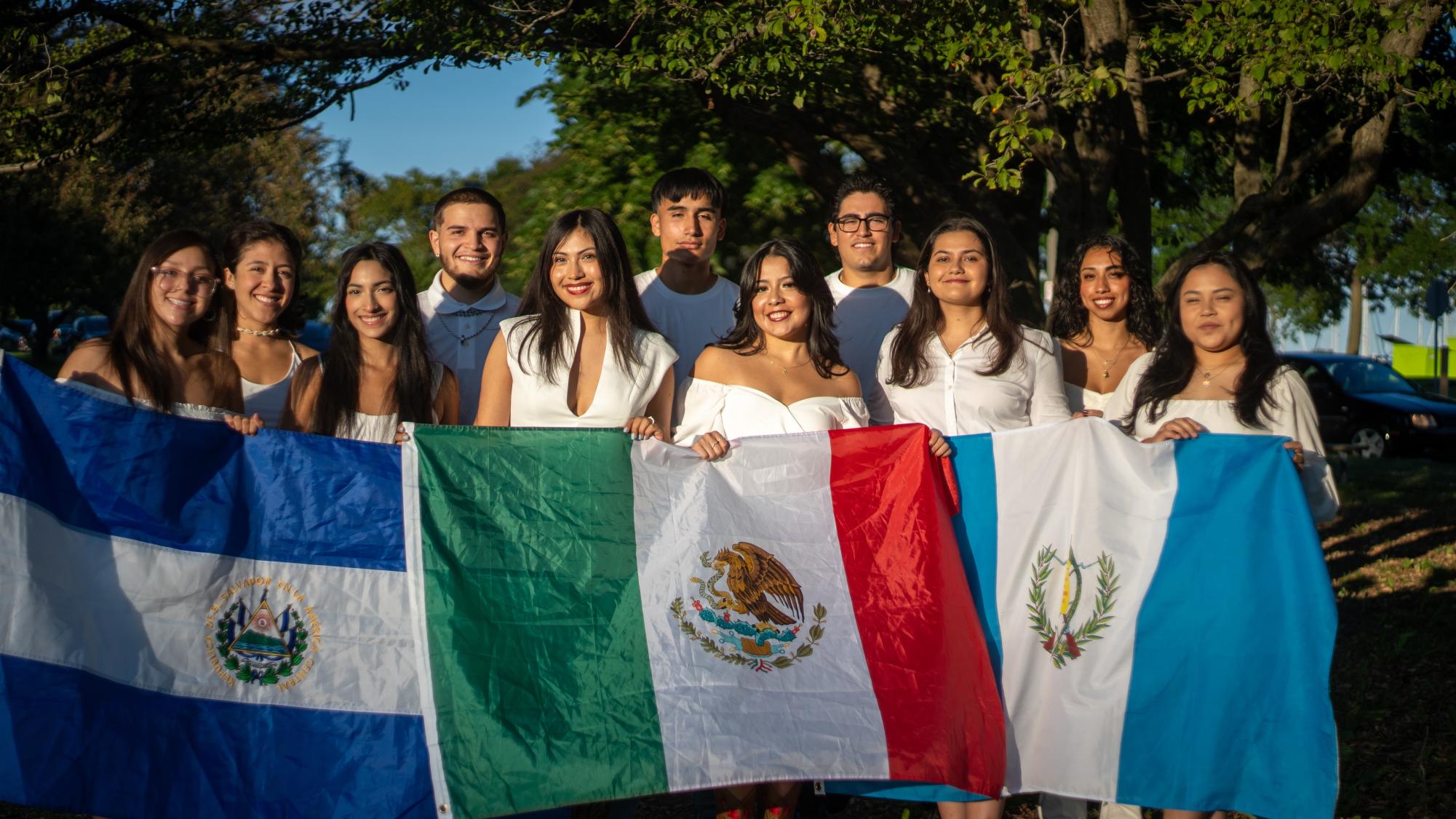
Over half of Marquette’s staff and faculty have seriously considered leaving the university, citing salary, limited advancement and workload, according to survey results.
Lisa Ploszaj, senior director of employment and employee relations, said these findings are significantly concerning and university leadership is pursuing several initiatives to address faculty and staff concerns. These include individualized action plans, a commitment to providing staff and faculty with fair and competitive compensation, as well as opportunities for professional and personal growth.
“To that end, the staff compensation project will be positioned to assist in phasing in changes as directed by the university’s budget annually,” Ploszaj said in a statement to the Wire.
Last year, faculty shared concerns about the university possibly increasing workloads as part of its $31 million budget cuts.
The Office of Faculty Affairs will launch a campus conversation on academic burnout to inform the university on how to respond to increased workload concerns, Conor Kelly, associate vice provost of faculty affairs said.
In addition to responses about considering leaving Marquette, around half of both faculty and staff identified “power/privilege” as a problem. They also tended to feel more valued by students and department members than university leadership, according to survey results.
In November 2024, University Academic Senate voted no-confidence in President Kimo Ah Yun, a decision made amid growing concern from faculty about communication between university leadership and the senate. Two days later, Ah Yun became university president.
Acting Provost Sarah Feldner told the Wire she and university leadership — including Ah Yun and Chief Operating Officer Joel Pogodzinski — take these results seriously. She said they look forward to hearing from focus groups and the campus community about specific areas of concern, as well as ways to rebuild trust in leadership.
“We see the importance in understanding the community’s viewpoints, why they hold these feelings, and identifying steps that will be reflected in an improved experience for faculty and staff,” Feldner said in a statement to the Wire.
Students and employees cited feelings of exclusion
Around 16% of respondents indicated they had experienced some form of exclusion within the past year, MacBride said. When asked where the exclusion occurred, 33% said in a classroom or an in-person academic setting, 30% said while working a Marquette job and 26% said while in a meeting.
When asked about what was believed to be the basis of exclusion they experienced, 16% said racial or ethnic identity and 13% said gender.Marquette University Student Government Executive Vice President Adam Brzezinski said MUSG leadership remains committed to fostering a more inclusive campus.
Their goal, he said, has been to make MUSG a space for students to share their experiences and concerns, as well as a bridge between students and university administration.
“To be seen is to be heard. To lead is to listen,” Brzezinski said in a statement to the Wire.
University hopes for increased responses in next survey
Undergraduate student response rates declined 2% since the 2020 Campus Climate Study, to 18%. However, the response rate increased 7% for faculty, 5% for staff and 3% for graduate students.
Next steps include gathering feedback from the campus community via focus groups, MacBride said. One question the university hopes to ask is what it might change about the survey to improve response rates, including possibly renaming the study.
A series of focus groups will be held throughout the fall semester to discuss actions following the study, and the university will post updates online as they come out.
“The results and focus group recommendations guide us in identifying strengths and challenges and will inform the initiatives we pursue,” de Zengotita said in a statement to the Wire.
This story was written by Mia Thurow. She can be reached at [email protected].