

Wisconsin FoodShare benefits were reinstated overnight on Nov. 7, six days after nationwide Supplemental Nutrition Assistance Program funding went on a temporary pause. The initial expiration of benefits came on the 32nd day of the federal government shutdown, leaving families struggling to afford the food they need.
SNAP benefits provide qualifying families financial help in purchasing groceries and meals. Following the suspension of benefits on Nov. 1, food banks around the country have felt the pressure of making up the difference.
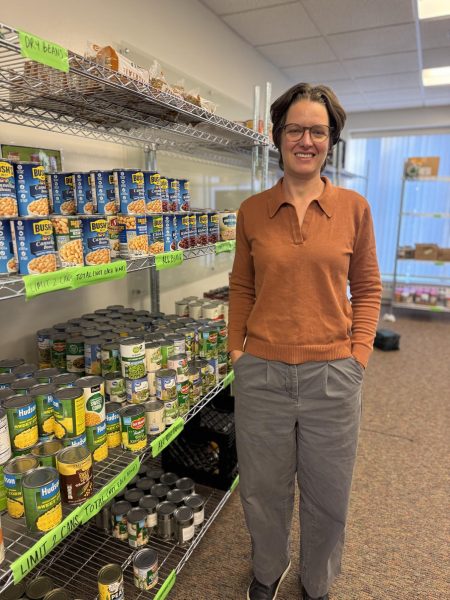
Among those pantries is the Backpack Program at Marquette University, which provides free groceries to students in need each week. Housed in Holthusen Hall, the program’s pantry is stocked with non-perishable goods, as well as produce and refrigerated items.
“We’ve definitely seen a little bit of an uptick [since the shutdown],” Christine Little, assistant director of the Arrupe Center for Community Service and Social Responsibility, said.
After seeing 80-100 students per month last year, over 140 students visited in September and October.
Students can register in Iggy’s Market in Holthusen Hall, where the Backpack Program is housed. No requirements need to be met to register. To view hours, click here.
Across town at the University of Wisconsin-Milwaukee, the UWM Food Center and Pantry has also seen a recent increase in need, with student visits jumping from 761 in September to 1,078 in October.
In 2024, 52% of UWM students were found to be food insecure, with over 25% of students experiencing very high food insecurity.
The biggest link between Marquette and UWM’s programs is Feeding America Eastern Wisconsin, which provides the majority of products to both university pantries. The national organization’s Milwaukee chapter provides over 30 million pounds of food to families in need each year.
However, large food banks nationwide are facing the same escalation in demand.
“What I’m worried about is the bigger picture of how this is going to affect Milwaukee and surrounding areas, because we all use Feeding America and/or Hunger Task Force,” Little said.
For college students that rely on the pantries, some aren’t just shopping for themselves. Commuter students whose families rely on FoodShare benefits may need to take groceries home.
“We have had students express concerns about how they’re going to feed their families,” Allie Martinez, UWM’s basic needs coordinator, said.
While both Marquette’s and UWM’s pantries face added pressure to meet student needs, they are also seeing an increase in donations from alumni and the local community.
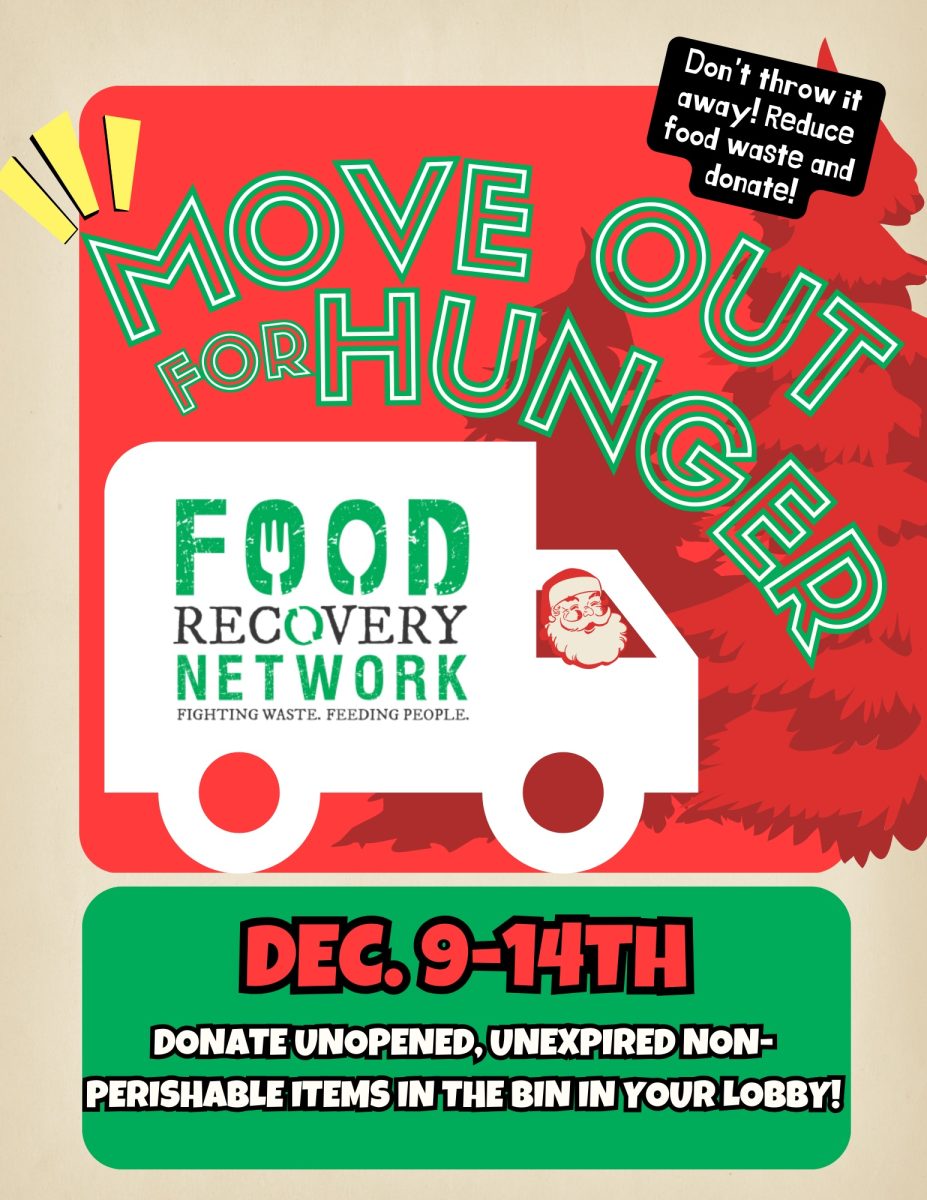
Little said she has been receiving a greater number of inquiries about what items the pantry needs on its shelves, as the program is in the closing stages of a food drive. To see the drop-off locations across campus, click here.
At UWM, the pantry has a partnership with Feeding America that gives it $10 to purchase groceries for every $1 it receives in donations. Following the start of a fundraising effort on Nov. 3, the program raised $19,000 in under a week.
“That’s a recent campaign in response to the critical need that we’re facing right now,” Luella Dooley-Menet, UWM’s public relations manager, said.
Little likened the heightened pressures to stock food to the COVID-19 pandemic, which left local communities in desperate need of food pantries. In both cases, she said, food assistance programs met the demand as best they could.
On college campuses, Little said, that demand can be especially intensified. A 2019 study by the National Library of Medicine found that food insecurity can affect student health and academic performance, potentially leading to increased levels of anxiety and stress.
Given that possible aftermath, university pantries like the Backpack Program and UWM Food Center strive to satisfy a need, especially in times of added uncertainty.
“I feel like almost every student shows appreciation and gratitude,” Little said. “It’s so good to know that this exists, especially for the ones who are losing SNAP in some form.”
Redistribution of Wisconsin FoodShare benefits
Six days following the expiration of SNAP funding, Evers announced his expectation that payments in the state would be reinstated overnight on Nov. 7.
At midnight, over $104 million was given out across the state in FoodShare benefits, the state’s food assistance program. FoodShare serves roughly 700,000 Wisconsin residents, including about 270,000 children.
The announcement followed U.S. District Judge John McConnell’s Nov. 6 order for President Donald Trump’s administration to give full funding to food assistance programs. The ruling closed a weeklong battle over mid-shutdown funding, as the administration originally intended to only give out partial SNAP payments for November.
The Trump administration appealed the order Nov. 7, requesting the funding be revoked. The administration said it does not have the funds needed to give out full benefits. A federal judge temporarily blocked the appeal on Nov. 10.
A spokesperson for the Evers administration said the appeal should not affect the payments released on Nov. 7.
The payments load on to electronic benefit transfer cards for FoodShare recipients to use at local establishments. Without federal funding, however, local grocers have not yet been reimbursed for November transactions.
Additional resources for Marquette students
In addition to the Backpack Program, another resource at Marquette is MarqEats. Students can sign up for email or text alerts to be notified when there’s leftover food in the Alumni Memorial Union after events. The alert will include what’s available and for how long.
To sign up for MarqEats, students can navigate to the SMS alert page in their CheckMarq account.
Off campus, House of Peace’s food pantry, located near campus on 1702 W. Walnut St., is open five days a week. They accept donations from 1-3 p.m. Monday-Thursday. To see the list of suggested items, click here.
NourishMKE also has a food center on 1230 W. Cherry St. Anyone can visit once per month, and the center is open Wednesday, Thursday and Friday from 9 a.m. to noon. To make monetary donations, click here.
St. Rose’s Food Pantry, on 3005 W. Michigan St., is open on the second and fourth Tuesdays of every month at 4:00 p.m. To donate to the parish, click here.
Feeding America Eastern Wisconsin also offers volunteer and donation resources on their website.
The City of Milwaukee, in response to the federal shutdown, is hosting a food drive with drop-off centers. Accepted food items are listed on its website.
This is a developing story that will be updated as necessary.
This story was written by Lance Schulteis. He can be reached at [email protected]. Sophia Tiedge contributed to this report.