With the return of old fashion and technological trends, Gen Z is seeking comfort and an escape to simpler and nostalgic times.
Gen Z, those born between 1997 and 2012, have experienced the pioneering times of social media and the COVID-19 pandemic. Through the popularity of digital cameras and baggy jeans, Gen Z displays their desire to get away from these troubles.
Considering they were the first to grow up with technology, Gen Z has encountered the detrimental effects of social media like no other generation. Some of these effects include depressive symptoms, body image issues and sleep loss.
When the pandemic hit in 2020, Gen Z was between 8 and 23 years old, which are very formative ages. Many schools moved education online, increasing isolation and technology use, especially social media.
The consequences of the pandemic are still present today, causing Gen Z to struggle socially and mentally. According to the Associated Press-National Opinion Research Center, 49% of Gen Z find it difficult to maintain good mental health, and 55% find it hard to have fun.
Given they were the only generation to experience that unique impact from the pandemic, Gen Z is turning to other generations to experience pre-pandemic life.
Particularly, they take trends from millennials, those born between 1981 and 1996.
These trends involve rejecting new technology, and instead mimicking millennials’ teenage years. Gen Z is gravitating toward a time when people weren’t overly consumed by phones and social media, finding a sense of stability and security.
Despite common assumptions about young adults being addicted to their phones, they are actually fighting against this notion and working to be more present. This can be conscious or subconscious, but Gen Z is turning away from modern technology, nonetheless.
Cal Newport, a computer science professor at Georgetown University, described this idea as “digital minimalism” — a concept that we are aware of our technology use and are working to reduce it.
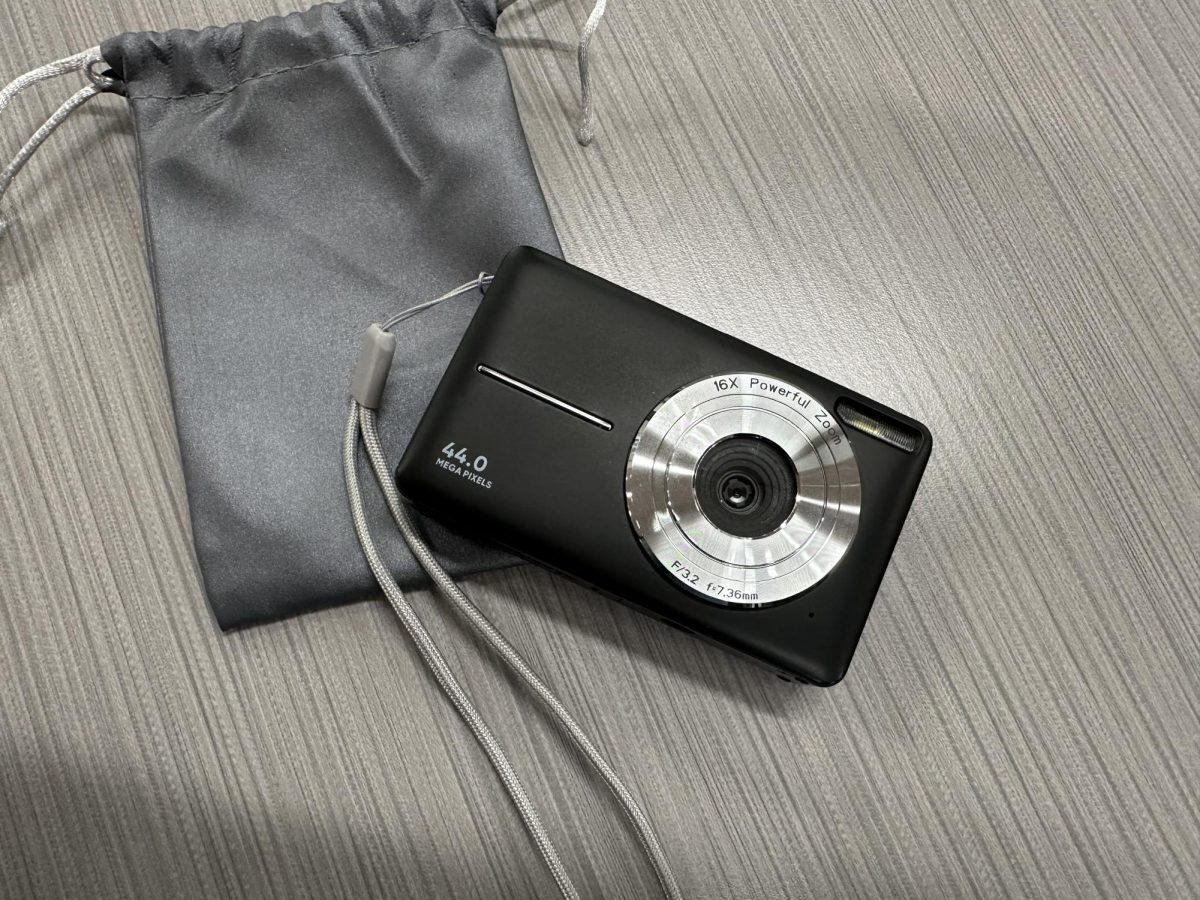
This is evident through young adults’ use of digital cameras. Despite its quality being considerably lower than an iPhone camera, teenagers persist in its usage to document experiences. This displays Gen Z’s attempt to combat the lasting difficulties of their generation.
Digital cameras not only reduce iPhone use, but they provide comfort and nostalgia. Digital cameras were popular in the 1990s, bringing people back to those times.
Another tangible item with increasing popularity is vinyl records. Music is more accessible than ever through platforms like Apple Music, Spotify and YouTube, yet Gen Z is still choosing to buy vinyl records.
These old-school music items were prominent in the 1950s and 1960s, giving Gen Z a taste of the technologies of their parents or grandparents.
Resurfaced trends are also demonstrated through fashion.
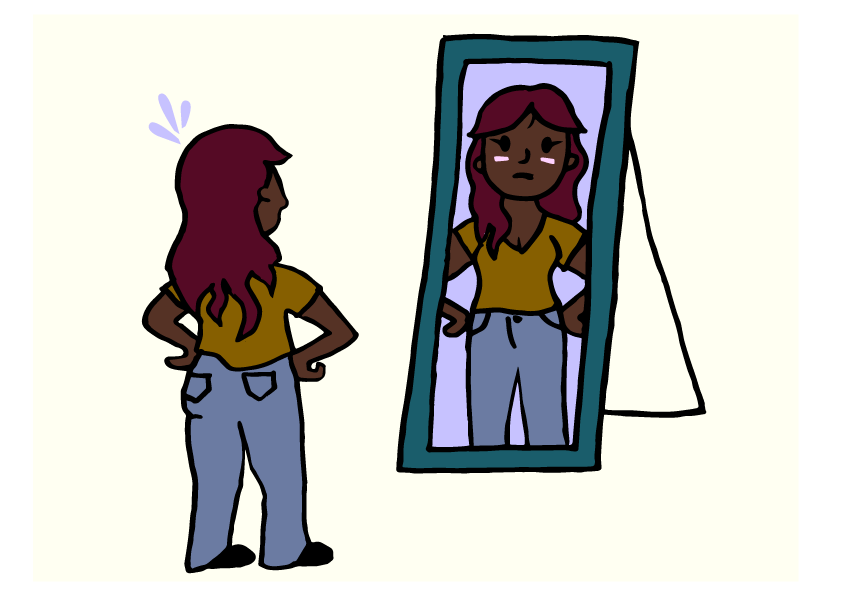
Each decade had a style of jeans that was popular: mom jeans in the 80s, baggy jeans in the 90s and skinny jeans in the 2000s. Currently, baggy and skinny jeans are back in style.
Gen Z is reverting to comfortable ideas as a means of escapism.
By simply using a digital camera or wearing clothes from the 90s, Gen Z gets a taste of what life was like without the pandemic or the rise of social media that disrupted their generation. While that coping mechanism is beneficial, it signifies Gen Z’s struggle to face those challenges.
This story was written by Amelia Lerret. She can be reached at [email protected].
Rachel Lopera contributed to this report.