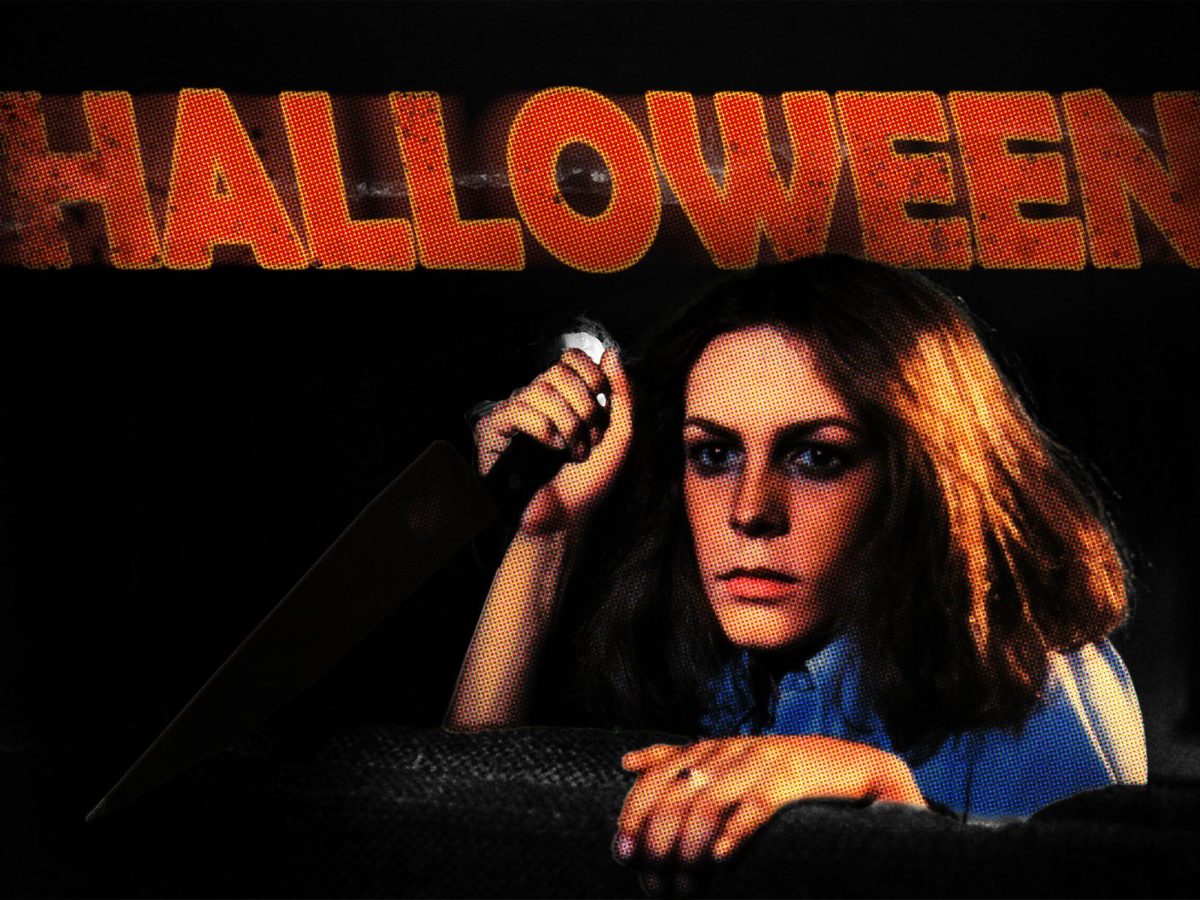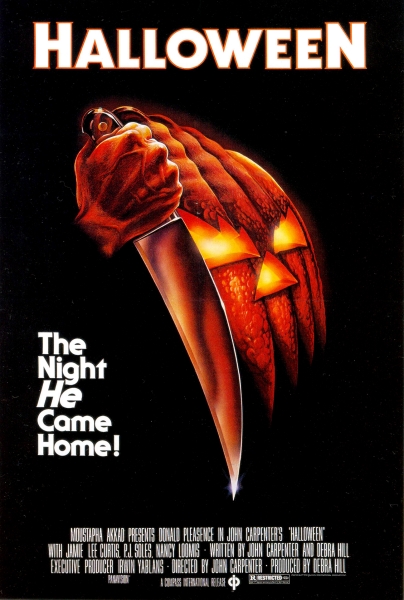


Spooky season is upon us as Halloween nears the corner, and many may be getting into the scary spirit.
One of those people is Rev. Ryan Duns, S.J., the department chair and associate professor of theology at Marquette University, who teaches the upper-level course called Theology of Horror that was taught last spring semester.
But why combine horror with theology, which is traditionally the study of God and religious beliefs? Because, Duns said, the two coexist and even have some similarities.
From a young age, Duns was very interested in horror movies because of the religious themes they suggest.
“Films like ‘The Exorcist’ I understood as having very deep theological resonances,” Duns said.
In 2020, he decided to bring his two interests together into a course where students can create connections between the theological and philosophical themes that horror movies represent. One focus of the class is the general “good versus evil” forces in everyday life that impact society, culture and human life.
Patricia Kalb, a senior in the College of Nursing, said before taking Duns’ course she was doubtful about the connections between in the two genres.
“I mostly thought of horror movies as just jump scares and gore, but in reality, they are richer with symbolism than most other genres,” Kalb said.
Duns said a number of students see the word “horror” and think the class will be easy, but it’s not, as it uses heavy philosophical work while weaving in theological themes.
He said the elements students love about horror movies lead to deeper reflection about the nature of the genre.
“The thrill of a horror film makes you absolutely focused on what is going on. This made it very easy to see the theological points that Father Duns was trying to show,” Vincent Lynch, a senior in the College of Arts & Sciences, said.
Duns said the horror genre shows normality being threatened by a monster, furthering the idea that society will do whatever it takes to stick with the status quo.
“Whether it’s a chainsaw-wielding maniac; a hockey mask machete-wielding killer; someone who haunts us in our dreams; a girl who climbs out of the television because you put a cursed tape in, in each case, our sense of the normal is under threat by this monstrous force,” Duns said.
The theological correlation comes in, Duns explained, when looking at the genre as the story of Christianity.
“The normality or the status quo of a broken world is threatened by the incarnation of the Word of God, and that the birth of Jesus Christ is monstrous to a world that is admired in sin and darkness,” Duns said.
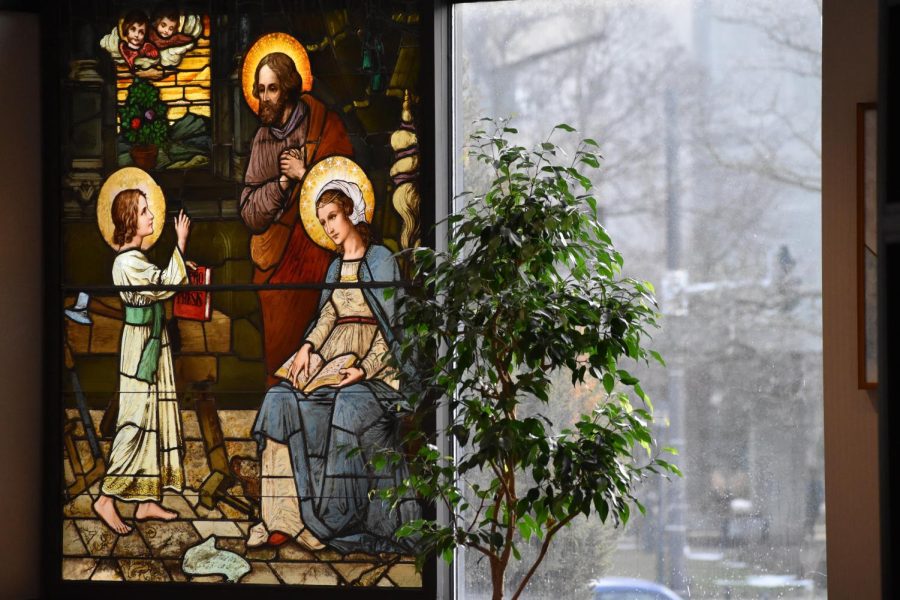
Marquette being a Catholic, Jesuit institution allows for creative courses like Duns’.
“If it meets demand, or if it offers students who wouldn’t otherwise take a theology course an opportunity to take one, I’m happy to do it,” Duns said.
Marquette’s Ignatian tradition teaches those to seek God in all things, which Duns said is the motivation behind the theology of horror. Seeing where God might be in the midst of a horror film’s chaos links the two together.
“Father Duns really took the phrase, ‘Seeing God in all things,’ and ran fully with it in topic that is exact opposite of where people would think to see God,” Lynch said.
Duns explained that whatever people engage with in this world points back to its creator.
A year ago, Duns published a book called “Theology of Horror: The Hidden Depths of Popular Films.” The book dives deeper into the theological applications of horror movies and is derived from his classroom teachings.
“I think there’s a commitment to saying that there is more to reality than meets the eye,” Duns said.
According to Duns, questions like what makes a film good, how does the story draw in viewers or provoke them to ask themselves questions they haven’t before, are the keys to analyzing horror.
“It teaches us a lot about ourselves,” Duns said. “It gives us a chance to look at ourselves in the mirror and see things we might otherwise want to avoid.”
This story was written by Maeve Heeney. She can be reached at [email protected].