
The first pitch of the 150th Major League Baseball season was thrown on March 25. Fans in stadiums cheered, hot dogs in hand, as “Take Me Out to the Ball game” echoed throughout. But outside the stadiums, thousands of fans sat as they were unable to watch their favorite team due to MLB enforced blackouts — an outdated sports practice.
A broadcast blackout is a restriction set by broadcasting organizations that limit viewing of specific streams in fixed geographic areas. In sports, this limits viewings of national broadcasts if the stream is on the teams’ regional network and serves to encourage greater in-person attendance at games.
The National Football League established the first official sport broadcasting blackout rules in 1975 with the intent to boost ticket sales. Broadcasts would be blocked, or “blacked out,” for local viewers if certain ticket sale requirements were not met.
Later, the MLB adopted this strategy to filter money to local broadcasts. The league later launched MLB.tv, an all-inclusive streaming service that allows fans to watch all out-of-market games. However, local in-market games are blacked out in this package, pushing viewers towards the local streaming service or cable broadcasts and forcing the public to purchase multiple subscriptions just to watch the games they want.
While the purpose of these blackouts is logical, the implementation is an archaic way of dividing up media rights, pushing fans from the sport.
Every state in the United States has local blackouts, even Hawaii and Alaska. States like Iowa and cities like Las Vegas with (currently) no MLB teams are subject to large form blackouts on MLB.tv even without access to a team’s local broadcast or streaming service.
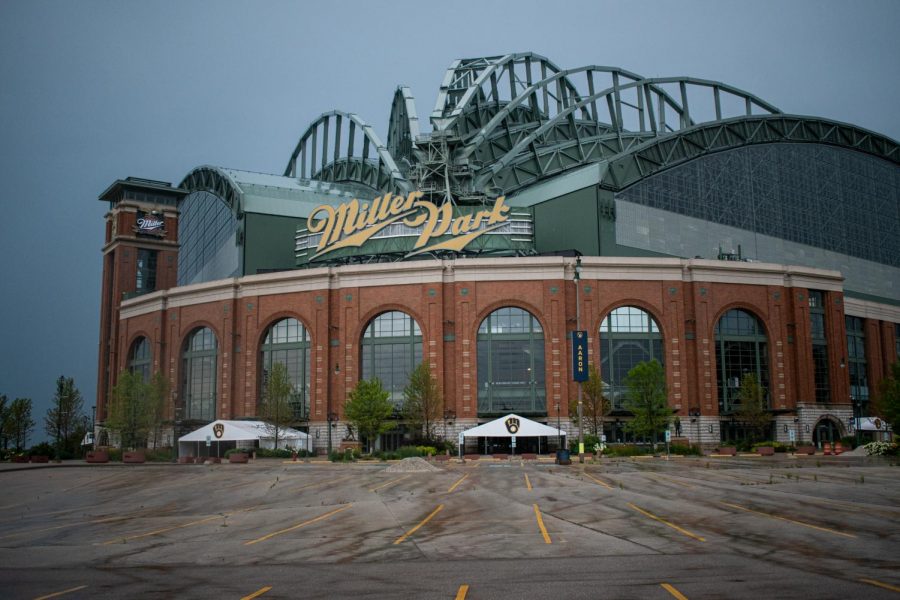
For example, a Milwaukee Brewers fan living in Iowa in 2025 would be unable to watch a Brewer game on their MLB.tv account due to the entire state having an in-market blackout for Brewers games. They would also be unable to purchase a monthly subscription to the team’s streaming service because the streaming service doesn’t describe their ZIP code as in-market.
The standards of streaming services and the MLB contradict each other, creating difficult-to-navigate situations to watch the game.
Additionally, it is more expensive to watch a game in person than ever. Median ticket prices have increased 44 percent since last year’s Opening Day, up to $154 compared to 2025’s $107. This value is almost double the median of the 2019 season, which was $82 a ticket.
However, change is inevitable. The bankruptcy of Diamond Sports Group, now known as Main Stream Sports Group which owns and operates FanDuel Sports Network, has forced teams to look at other potential streaming providers for local viewers.
The Brewers are one of the organizations pioneering this change.
As of the 2026 season, they left FanDuel Sports Network and partnered with MLB.tv to create Brewers.tv. This streaming service costs $99.99 a season, giving customers access to all Brewers games — that are not exclusive to nationally televised games — completely blackout–free regardless of region in the United States.
This new service is a cheaper alternative to a local streaming provider that doesn’t allow out–of–market purchasers, and it comes with bonus content related to the organization’s minor league affiliates. It is a work around to blackouts and costly streaming packages, and more organizations should follow suit. Although a cheaper alternative, this is still inaccessible to those who can’t/aren’t willing to pay for an extra streaming service.
The Brewers are one of 14 organizations to partner with MLB.tv and no longer be affiliated with a regional sports network.
The fact that organizations need a workaround at all highlights the issue. The original intent of broadcasting blackouts was to drive fans towards the stadium, but it is now driving fans away from the sport entirely.
It is harder to support the local team than ever before. Ticket prices are rising, youth programs are reaching unprecedented prices and people can be blacked out from watching their team if not living in the right area.
This system is obsolete, and more fans everyday are skipping past the MLB because they don’t have access to a game’s broadcast. MLB executives need to work to fix these restrictions so the game can adjust to the modern streaming era and welcome a new array of fandom.
This story was written by Owen Parker. He can be reached at [email protected].