The abundance of breaking news in media has desensitized people, hindering emotional responses alongside the opportunity for positive change.
Today’s primary purpose of consuming news is to stay informed on the world around us. While this is important and beneficial, people should also practice empathy for those involved in tragedies.
Former CEO of CNN, Chris Licht, spoke to how the overuse of “breaking news” has made the term ineffective as it does not spark as much emotion from people as it used to. The overexposure to negative content can lead to feelings of numbness or indifference, but it is essential that people fight against that reaction.
Robert T. Muller, a psychology professor at York University, describes how people’s feelings toward a particular subject change after encountering it even once before. For example, the first time someone sees a story covering a wrongdoing, they are likely to respond with anger. However, the second time they encounter a similar headline, their reaction is likely to be less intense.
With how frequently misfortunes are covered in the news, it is understandable for people to form indifferent emotional responses. However, this lowers people’s ability to learn and grow from the full weight of tragedies.
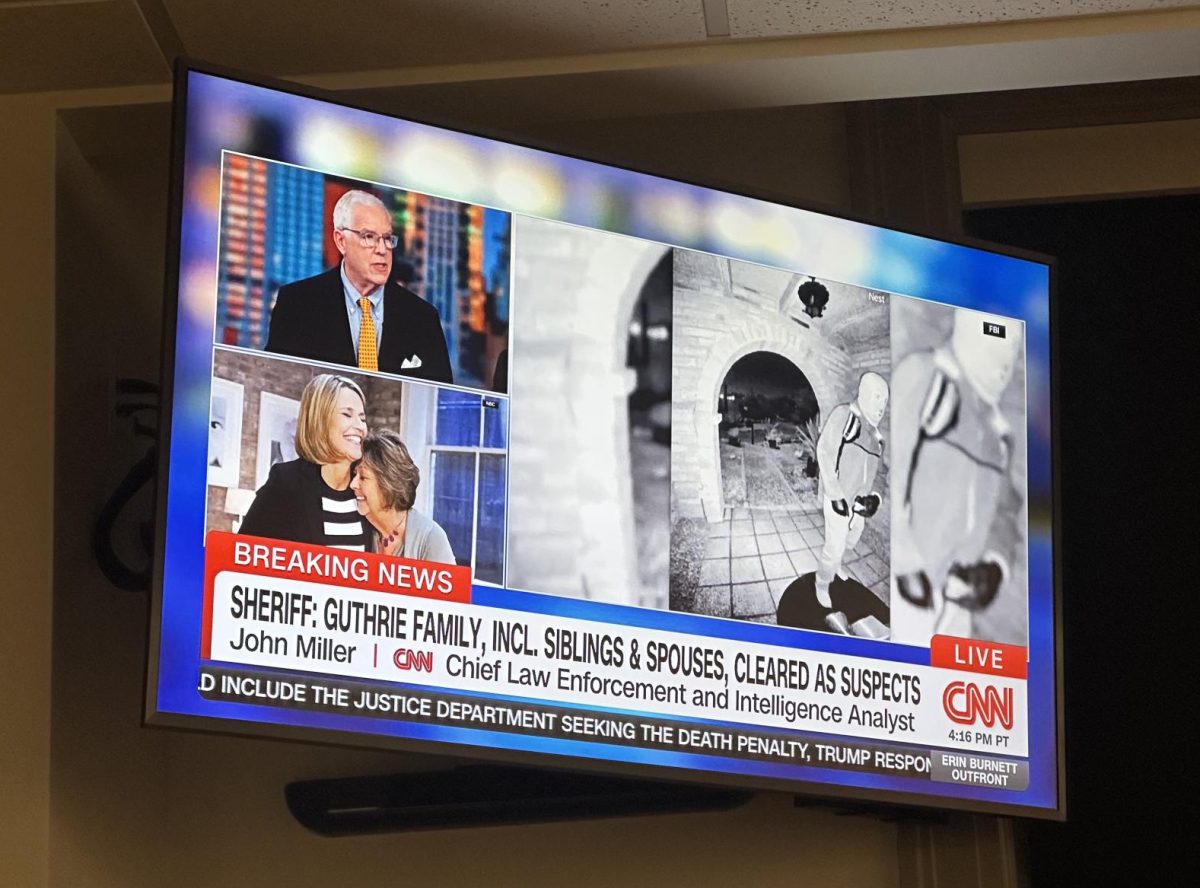
This is evident in the ongoing investigation to find Nancy Guthrie, mother of Today Show anchor Savannah Guthrie. She was taken against her will from her home in Tucson, Arizona on the night of Jan. 31 and has not been seen since.
This is a very public case covered by many of the nation’s largest outlets, and every update is a breaking news headline. Additionally, Nancy’s children are making the case well-known through shared videos on social media, urging prayers and action if any suspicious activity is sighted.
This exemplifies the volume of “breaking news” that can cause numbness to the information, which also hinders emotional responses.
Empathy is needed by the public to fully understand the effect this tragedy has on not only Nancy, but also her children, family and community. Savannah’s public-figure status also expands the community this case has impacted.
Emotional responses signal that people are engaged with the news, and they understand that there are real people experiencing real tragedies. On the other hand, when people dismiss the news, they lack an empathetic reaction.
People need to know about what is happening to make informed decisions and promote a participatory society.
When we continuously consume breaking news at a surface level, we do not grasp the emotion and depth of the situation. This cycle hinders action and change, and the immense number of tragedies covered in the news highlight the crucial need for just that.
To combat numbness to the news, people can limit media exposure, listen to credible sources and be critical of the information available. These tools should be utilized because avoiding the news inhibits community involvement and action.
People’s desensitization to the overload of breaking news is justifiable, but it must be resisted.
Don’t let the abundance of negative content weaken your emotional responses. Empathy and consideration are necessary to achieve and maintain high moral standards in society.
This story was written by Amelia Lerret. She can be reached at [email protected].