As college students, our lives are surrounded by convenience – takeout meals, single-use products and hurried habits that leave little time to consider their impact. But that convenience comes at a cost. When we overlook the ways our daily actions contribute to unsustainable practices on campus, we place an invisible burden on the environment we all share.
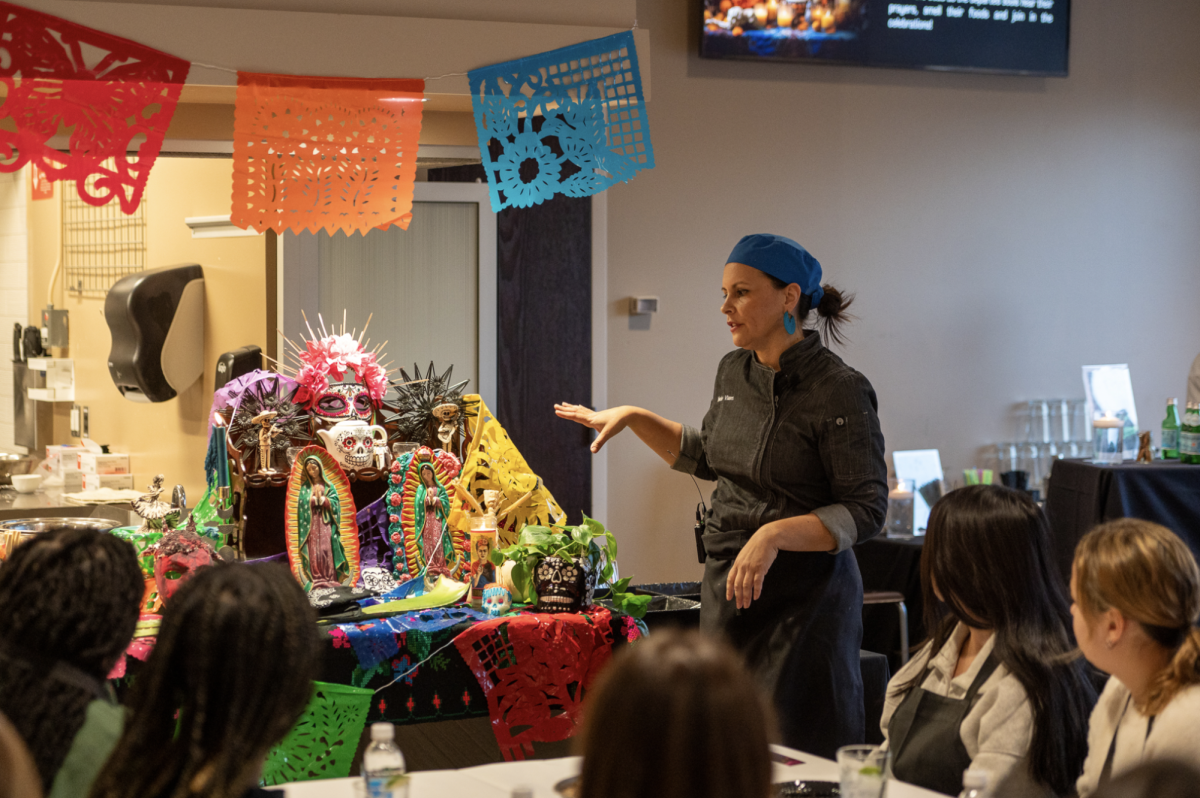
In hopes of understanding how Marquette University is making efforts to be sustainable and how we as a community can take part, we spoke with Marquette Dining Services General Manager Melanie Vianes. Her insights reveal that caring for our environment requires more than occasional awareness; it calls for integrating sustainable choices into the routines that shape our everyday lives. One of the most impactful places this becomes visible is our dining halls.
“As a partner in dining at Marquette, when we look at environmental sustainability, our team reviews the impact we have in the dining area from purchasing, overall carbon footprint, the general food cycle through ordering, delivery, production to service and usage, cleaning and maintenance, recycling and composting,” Vianes said.
This broad perspective has guided years of development in sustainable dining operations. Vianes shared several examples about the trends and evolution she has witnessed during her time. They have tested serviceware made of potatoes and adopted paper straws rather than plastic as part of their commitment to reduce waste.
Vianes said they’ve also started looking at whether food is prepared sustainably.
“Oil Chef” technology is used to extend the life of cooking oil to reduce energy use and waste, while improving food quality. Dining Services also uses a variety of vendors to prioritize local food sourcing.
Midwest Foods is a food distribution vendor that works with a community of farmers. This not only lowers the carbon footprint associated with long-distance food transport but also supports local economies.
Another meaningful decision Dining Services has made is to collect back of house compost in Schroeder Hall and The Commons dining facilities, partnering with Compost Crusader to turn food scraps into nutrient rich soil that benefits the Greater Milwaukee area. These behind-the-scenes efforts illustrate how sustainability is woven into each stage of food preparation long before students step into the dining halls.
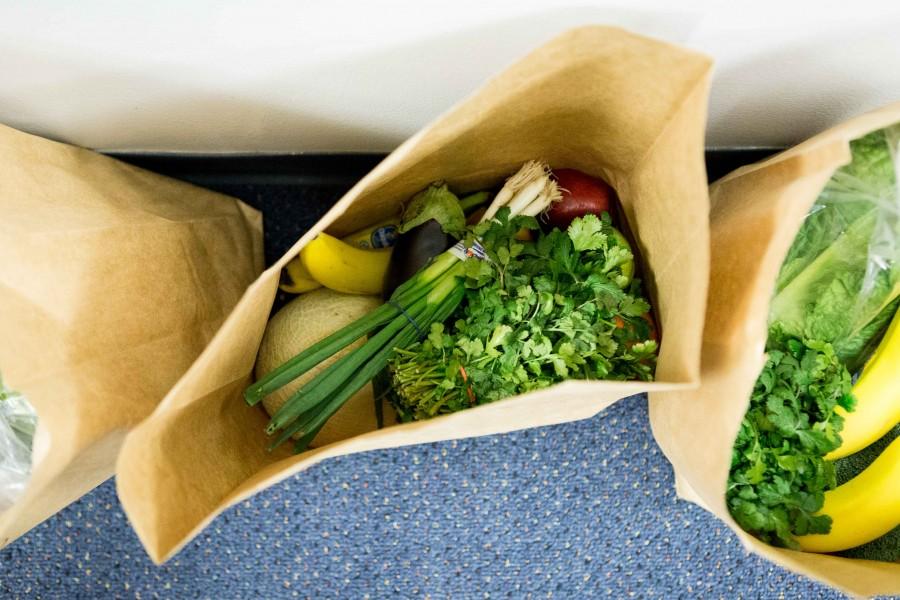
Food waste and food insecurity are interconnected issues, both on campus and in Milwaukee. Health regulations often require dining operations to dispose of food that is still safe for consumption and could otherwise support those who lack consistent access to meals.
Through the Campus Kitchens Project, Marquette Dining Services helps redirect unused food to community members in need. This project may very well benefit those we see and interact with every day.
When we portion out the food we know we will consume, it will in turn reduce our contributions to the landfill, leaving food for those that come to our dining halls or donations. For those that have inconsistent access to food and are a student at Marquette, consider registering in person at Iggy’s Market for The Backpack Program, Marquette’s on-campus food pantry.
It is not just the action taken by the university that makes a difference in sustainability; it is shaped by student choices. Dining Services frequently offers opportunities for students to learn, engage and contribute. In recent Weigh the Waste events, students generated over 45 pounds of food in the Schroeder and Commons dining halls in two hours. This is a powerful reminder of how quickly our habits can accumulate.
Learning about services Marquette provides for a sustainable experience can assist in striving toward sustainable behaviors. It is a responsibility rather than an inconvenience to care for our world and make sustainable solutions a part of our everyday life.
By learning about campus resources, supporting local food systems, reducing waste and participating in sustainability initiatives, Marquette students can transform everyday dining into an act of environmental stewardship.
This story was written by guest opinion columnists from the Burke Scholars Sustainability Committee.