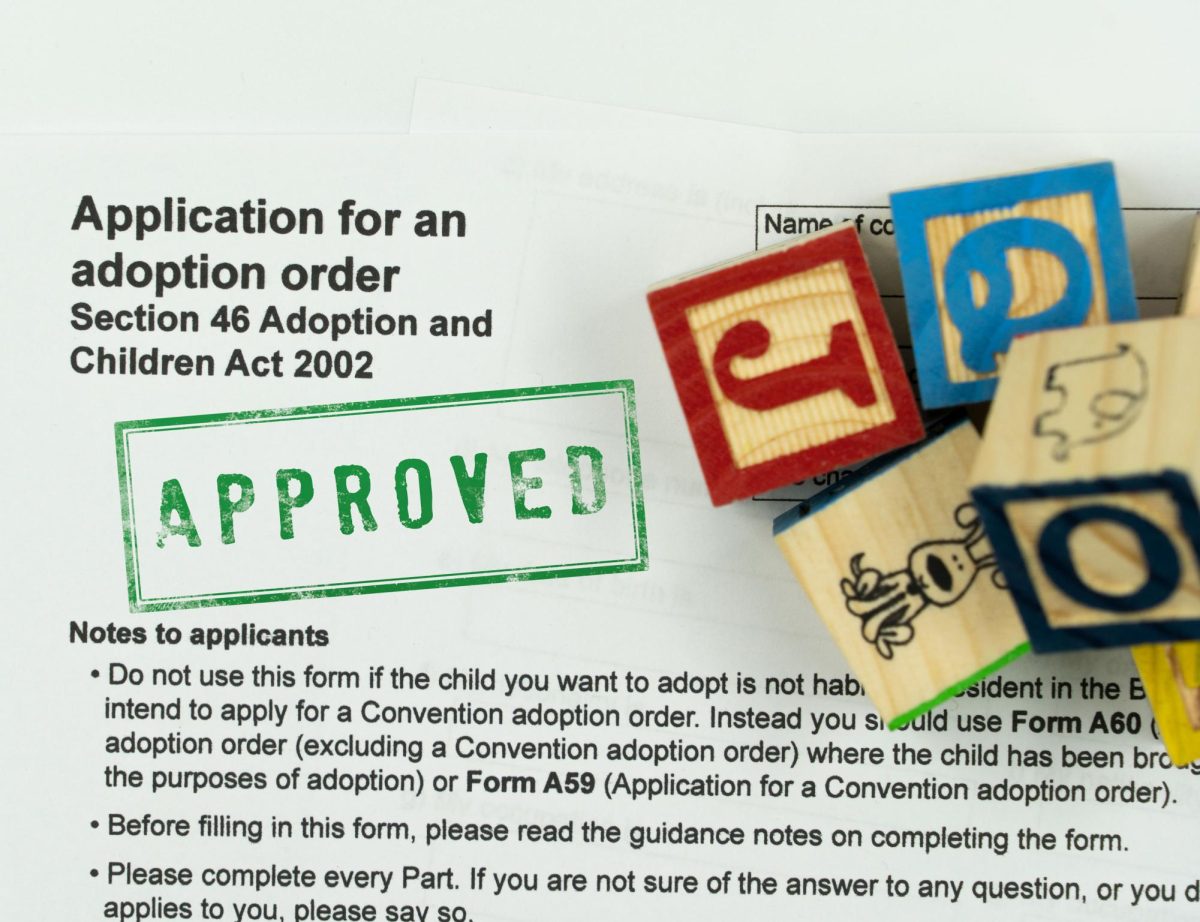


For me, November is extremely fitting as National Adoption Month, as it is the anniversary month of both my sister’s and cousin’s adoptions.
Without the adoption process, we would be an entirely different household. I cannot imagine life without my unbreakable bond with my sister, all thanks to my family’s patience through our adoption journey.
While praising successful adoptions, like my family’s, the system’s time and financial costs can deter many from following through. Prospective adoptive parents must look beyond the challenges of the process and recognize how it shifts the trajectory of children’s lives by providing them with a safe, loving home.
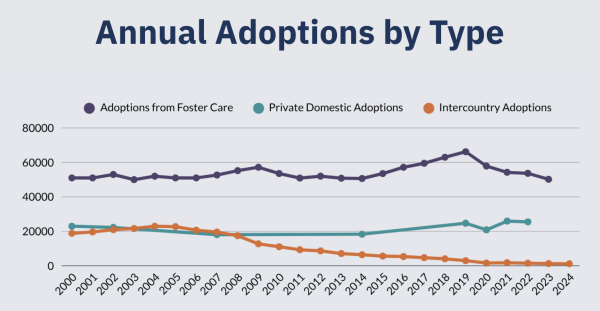
In 2023, 50,193 children were adopted from foster care in the U.S. This marks a 5% decrease from 2022, and a 24% decline since 2019. The process from licensure, to fostering, to adopting is complex and often costly, it may draw out over the course of months or even years.
To obtain an adoption license in Wisconsin, families must undergo a series of applications, home studies and training classes. During this period, prospective parents’ motivations, health and financial stability are assessed.
Licensure to foster a child may take months to complete, deterring prospective parents from considering adoption, but this step is necessary to provide a safe, stable home for a future child.
Once licensure is achieved, parents await their foster child placement, which is how over half of families adopt in the U.S. They could receive a call with an available child to foster at any time and when they do, families must quickly adapt to caring for a foster placement.
Parents must immediately direct their lifestyles towards caring for their foster child, a drastic shift that is unique to adoption.
Sadly, between 4-10% of adoptions fail due to legal complications, reunifying the biological family or aging out of the foster care system. Due to the bond that foster parents form with their foster child, unsuccessful adoptions may result in emotional loss for parents intending to adopt. This disheartening emotional experience may discourage them from having hope for another child.
From licensure to raising a child, adoption expenses range from $2,000 to nearly $45,000. These costs cover licensure, agency or attorney fees depending on how a family pursues adoption — public, private agency or international.
The National Council for Adoption reports that 48% of prospective adoptive parents said cost was an “extreme barrier.” The financial cost of this process is not sustainable for all families, but many states offer Title IV-E aid: state-mandated subsidies or reimbursements for foster or adoptive families.
In Wisconsin, financial assistance is provided through an adoption agreement between the state and an adoptive family, allowing adoptees to receive aid based on their age and experience in foster care.
The initial costs of adoption may be shocking, but if parents plan their finances accordingly beforehand, large expenses can become reasonable.
The adoption process is not easy by any means. Disappointment or frustration is nearly inevitable, but setbacks must be combatted with strength and perseverance.
Over 36,000 children who were eligible for adoption remained in the foster care system in 2023. If prospective parents follow through with their interest in the adoption process, this number can be lowered, and more children can achieve stability in a forever home without fearing displacement.
As National Adoption Month is celebrated, it is important to remember how valuable the outcome of adoption is. I wouldn’t want my sister living a life filled with anything besides the love and protection she has experienced in our household. My family’s faith in becoming her forever family carried us through the enduring adoption process; we have never regretted it a day since.
The process is expensive and time-consuming for a reason, so that children are put into loving, safe homes. Many factors may be discouraging, but prospective parents must consider the impact of their patience and resilience on a child’s life.
This article was written by Bella Gruber. She can be reached at [email protected].