

Performance groups on campus are facing up to $4,000 to perform under a newly revised Practice Space and Show Policy. Student organizations are allotted one show a year, and if they want a second, the pricing for tech and other expenses has to come out of their own pockets.
Several of those groups are preparing for their semesterly shows. This year, these groups felt the effects of the Alumni Memorial Union’s revised policies, which changed last school year, limiting groups to a primary and secondary show.
The office originally developed the policy to ensure an equal distribution of practice spaces. The decision to revise the policy came after the AMU saw an uptick in performance groups requesting shows in recent years.
Linda Lee, the assistant director for the AMU Events Service Office, said the revision process began in spring 2024 and had a “soft launch” in fall 2024, as some groups had already booked shows.
“When you look at a calendar, and when everybody wants to do their shows on Friday, Saturday and some on Thursdays, we only have some venues appropriate for their performances,” Lee said. “There are just not enough weeks in a year.”
After creating a policy draft for the soft launch in fall 2024, AMU Services held meetings with impacted student organizations to inform them of the revised policy. Lee said that at these meetings, organizations were encouraged to ask questions and voice concerns, but they received little feedback.
A primary show involves audio visual resources and equipment, which include a technician, stage lights, music and a projector. A secondary show — if a group chooses to have one — does not have any of those resources. Groups can bring outside suppliers for lighting, sound and other assets, but AMU Services will only unlock the space and turn on the lights.
More shows also require more employees, especially in the technical department. Lee said student technical employees and AMU technical staff were often overbooked and could not manage multiple shows between Weasler Auditorium and Varsity Theatre.
“I think students are working, but I don’t think they are working as many hours as they worked 10 years ago,” Lee said. “But that’s not just tech employees, that’s everywhere [at Marquette].”
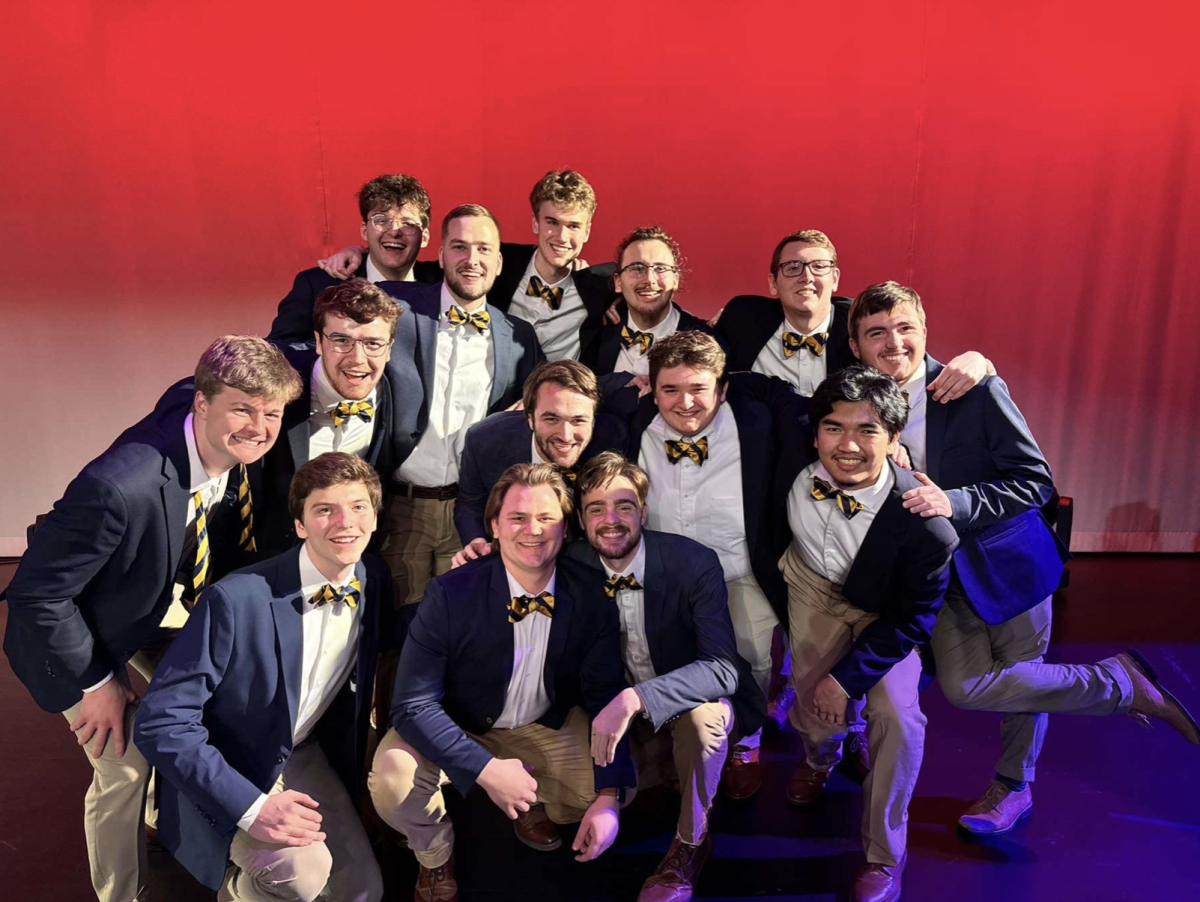
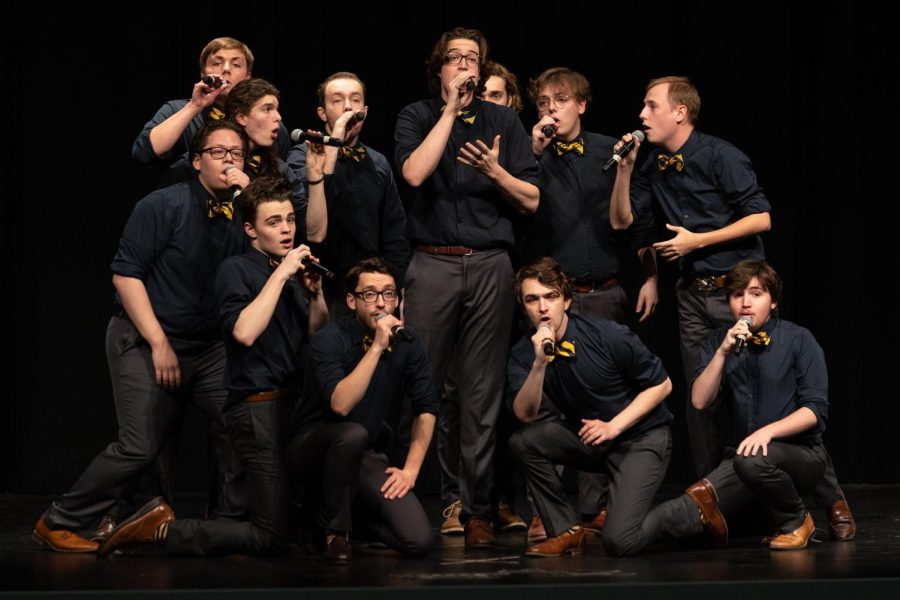
Along with students working fewer hours, AMU Services put a new emphasis on preventing overbooking shows. Teddy Gustafson, a junior in the College of Arts & Sciences and president of the all-male a cappella group The Naturals, said he has seen the list of dates available for performances significantly decrease since his first year at Marquette.
In past years, the group had its show at the end of April or the beginning of May. This year, the show is earlier than normal on April 10.
“Performances are ideal at the end of the semester, whether you are in dance or whether you are doing a cappella,” Gustafson said. “It’s now being spread out so much that people are having to perform in unrealistic time frames.”
Additionally, Gustafson said the “one size fits all” policy puts a cappella groups at a disadvantage because they need technical assistance to mix their voices with microphones.
Performance groups submit a form to AMU Services for their preferred performance venue and dates. For the fall semester, groups submit the form in late April or early May, and for the spring semester, groups submit it in November.
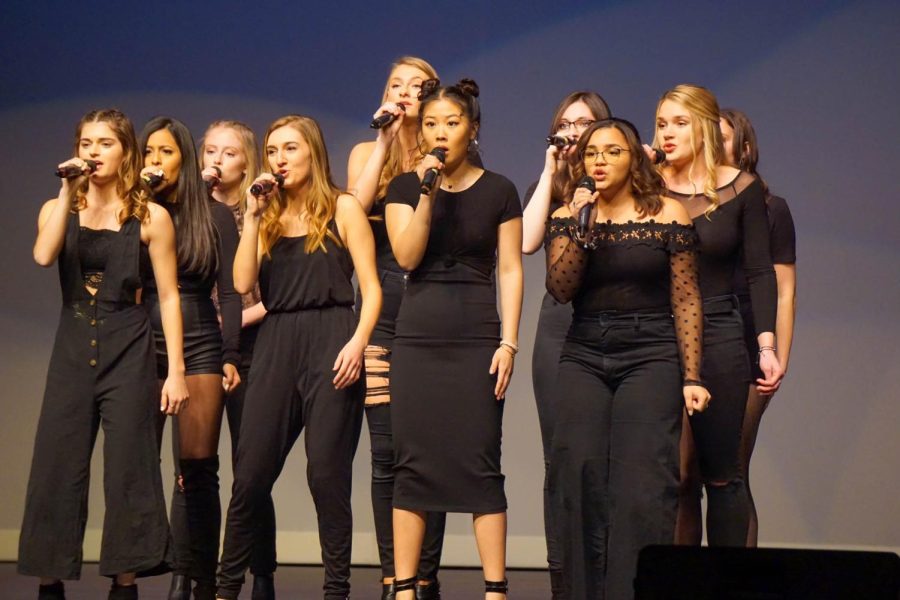
Since the policy changes, the three a cappella groups on campus — The Meladies, Naturals and Gold ‘n Blues — have created a combined secondary fall show in a lecture hall with an outside vendor for technical assistance.
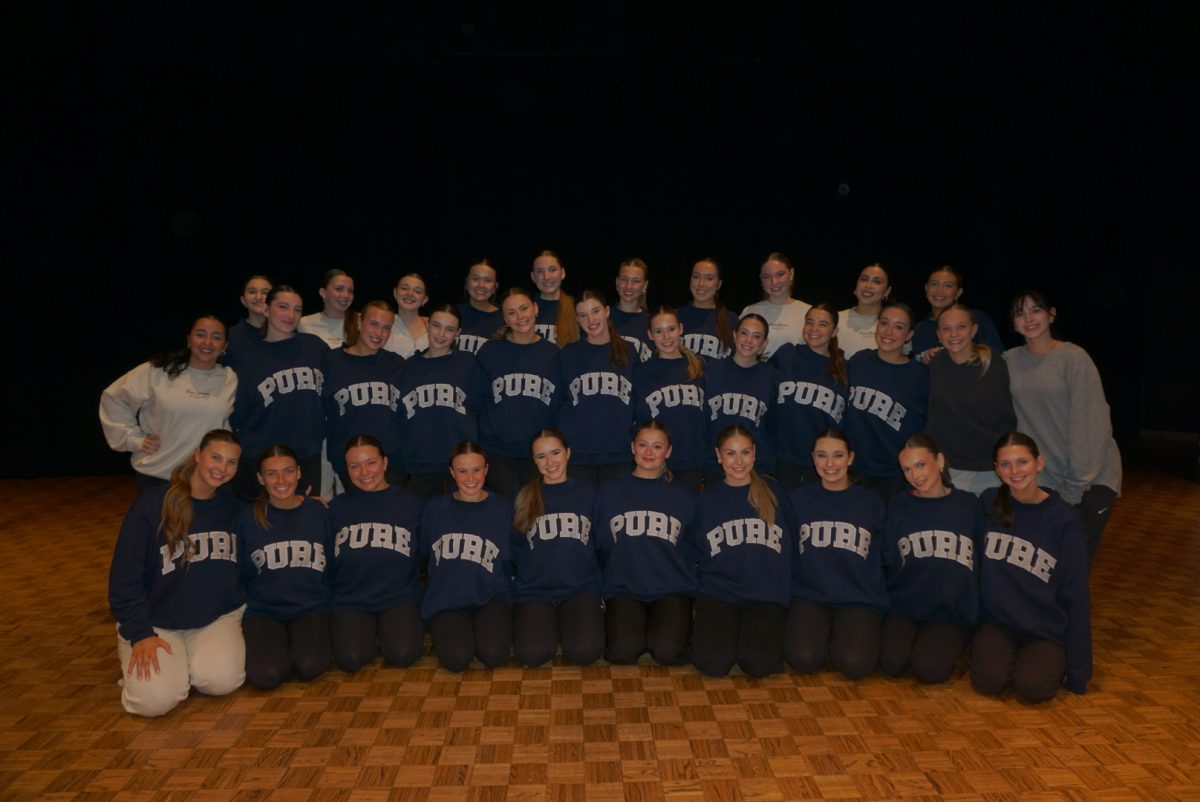
Along with a cappella groups, Pure Dance has struggled with putting on a show this semester under the new policy.
Avril Beesley, a junior in the College of Communication and junior co-president of Pure Dance, said since Pure’s inception in 2007 all shows have occurred on Sundays. This year, due to the limited availability of performance spaces and dates, its secondary show will be on a Friday.
Additionally, AMU Services will not open the tech booth for the secondary show, where the lighting and sound boards are located. Pure will have to bring in outside vendors, which will need to provide their own lighting. When adding the other show expenses, the cost of an outside vendor adds up to $4,000.
Student organizations can request funds from the Marquette University Student Government by attending one of their meetings. Requests are subject to approval or denial depending on the student organization’s situation. This money comes from the $40 semester activity fee students pay in their tuition, which goes to the Student Organization Fund in MUSG.
Pure even looked at performing at the off-campus Marcus Performing Arts Center instead to have access to a full tech booth — but to rent it out for a day for a tech rehearsal and show would cost around $2,000.
Beesley said she feared Pure Dance may have to add dues and other costs to members if it wanted to continue shows with the same performance quality as years past.
“I hope the show ends up being like how it feels when I started as a freshman,” Beesley said. “We just want to be able to share our love of dance and continue doing what we do.”
Lee said AMU Services will continually take feedback from clubs on the practice and show space policy to make it as fair and equitable for student organizations as possible. At the end of each academic year, AMU Services plans to meet with the student organizations to listen for potential policy adjustments for the following year.
This story was written by MaryKate Stepchuk. She can be reached at [email protected].