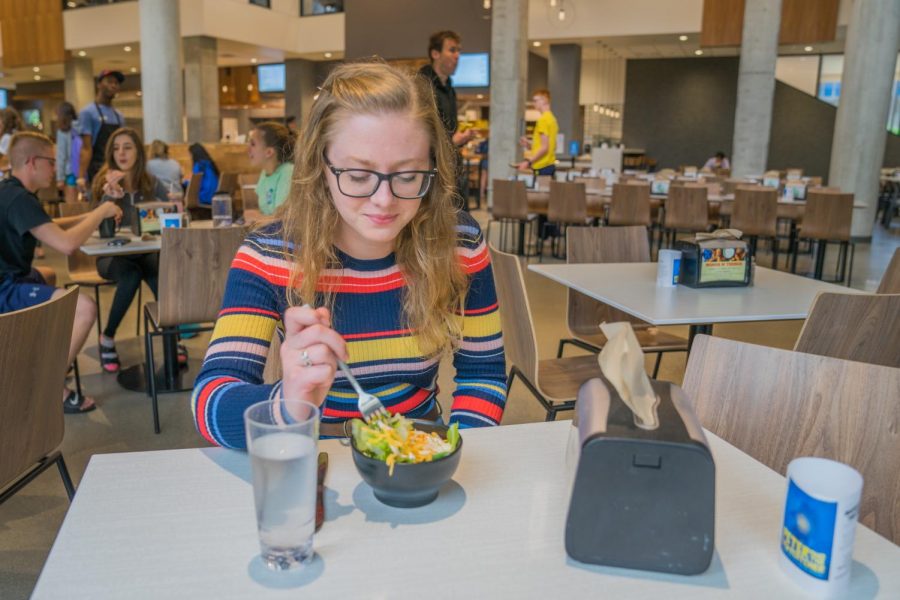


From the start of the semester to Fall Break, a trailing line weaved until 1 p.m. throughout Marquette Place for Forage Kitchen: a Madison-based salad bowl restaurant. After Fall Break, the eatery was replaced by Junior’s Smoked BBQ. Without Forage Kitchen, options for students with food allergies or dietary restrictions are limited.
Melanie Vianes — General Manager of Sodexo Marquette dining — said the location in Marquette Place is intended to be a “pop-up station” for students to try different local restaurants by switching quarterly throughout the school year.
However, the most recent change has received varying feedback from students.
“It’s frustrating that [Forage Kitchen] was gone so quickly,” Brenna Perrine, a sophomore in the College of Health Sciences, said.
Forage Kitchen takes pride in serving healthy, locally sourced dishes. This image was something new to Marquette, and it was well-received by students. The on-campus location featured a power bowl, a southwest chicken bowl and a chicken bacon Caesar wrap.
Students could see the clean ingredients directly put into their meals, such as the lentils and sweet potatoes in a power bowl or the hot honey chicken and pickled onions in the southwest ranch salad.
Mandy Slaats, a sophomore in the College of Nursing, suffers from chronic Lyme disease that flares up with large amounts of dairy and gluten. She said that unlike other locations, Forage Kitchen allowed her to take her meals to go without experiencing symptoms afterwards.
“I genuinely looked forward to it every day,” Slaats said.
Students with meal plans rely on dining halls for energy. For those with dietary restrictions, taking away a staple option like Forage Kitchen may mean having to choose a less healthy meal or a dish that doesn’t appeal to them.
A study conducted by the Journal of Allergy and Immunology indicated that 36.4% of college students had an allergic reaction from receiving the wrong meal, and another 36.4% from eating mislabeled foods. For students who unintentionally eat a dish with an allergen, they can experience ranging symptoms, from abdominal pain to life-threatening reactions.
To avoid allergic reactions, students with dietary restrictions are forced to shift their approach to dining on campus. They have to choose unhealthier options or eat ill-suited meals due to their lack of safe choices in dishes that are surely made without cross-contamination. The risk that limited meal options poses should be a sufficient reason for Marquette to provide more accommodating options for these students.
Marquette offers specialized dietary plans for students with allergies, but for those navigating dining halls without a plan, they can find dining halls’ ingredient lists on their web pages. Yet, researching individual items before every meal is unrealistic for students with busy lifestyles.
Without Forage Kitchen, Sophia Cruz, a first-year in the College of Nursing, said that only two options remain in Marquette Place that accommodate her allergies.
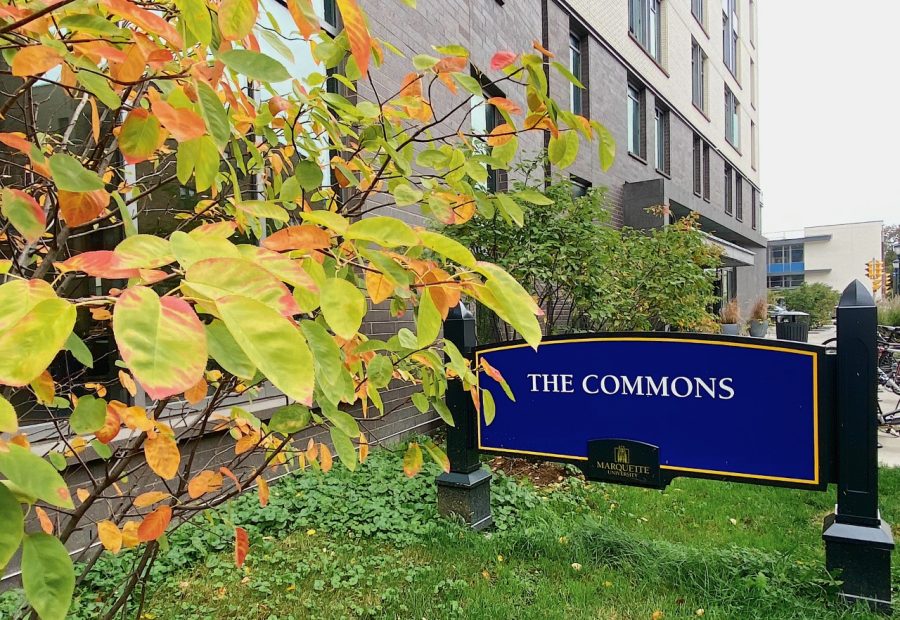
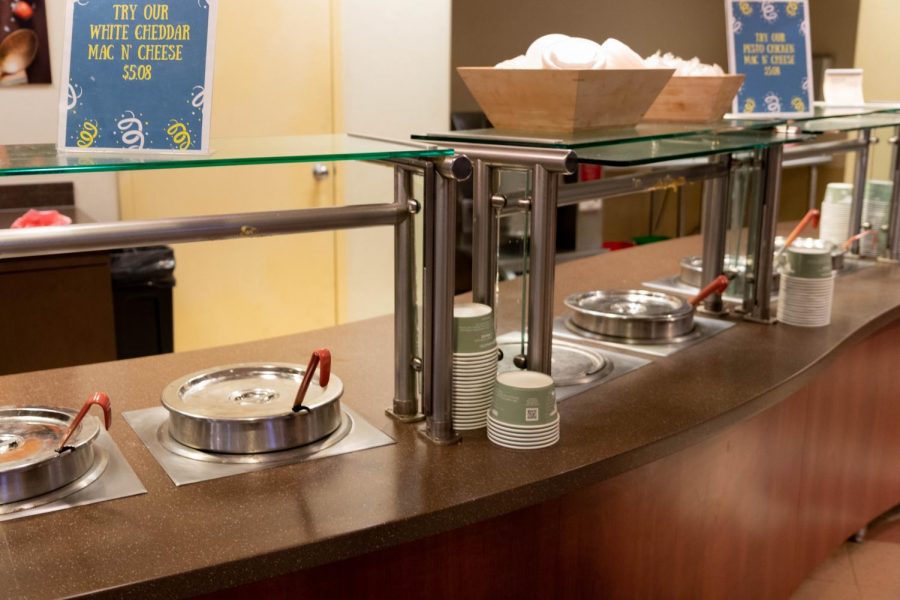
Dining halls outside of Marquette Place have stations where students can customize their meals, such as salad bars in The Commons and Cobeen, or Straz’s stir fry station. Yet, the convenience of Marquette Place’s location and the ability to customize a to-go meal made Forage Kitchen favorable among students.
When choosing vendors, Vianes said Marquette’s dining management is open to feedback from surveys via the Dining Advisory Board and word of mouth. The next two restaurants have not been determined for the Spring semester, Vianes notes.
New vendor options will cycle through Marquette Place, but the healthy versatility that Forage Kitchen provided to students with dietary restrictions is something that cannot be replaced.
This story was written by Bella Gruber. She can be reached at [email protected].