
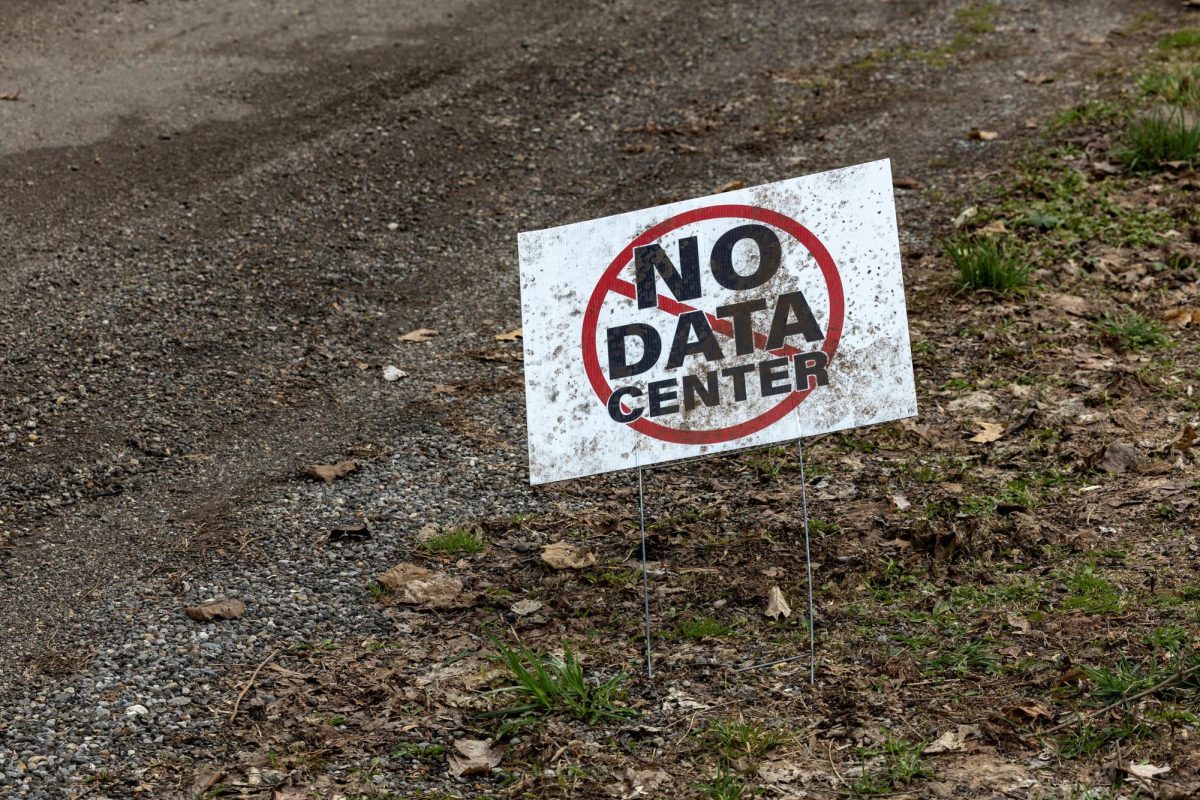
Port Washington, a small city located about 30 minutes north of Milwaukee, passed the nation’s first anti-data center referendum on April 7. It requires future projects to receive approval from local voters before getting large tax incentives, setting an important precedent for other communities. Port Washington residents will get the chance to express their input, a step in the right direction.
Over 1,500 data centers are being developed nationwide and are a source of concern for many. They are facilities that house computing infrastructure to support digital services such as the internet and artificial intelligence.
The Port Washington data center campus, named “Lighthouse,” will span 672 acres and is scheduled for completion in 2028. Its developer, Vantage Data Centers, is partnered with OpenAI and Oracle with the aim of expanding the U.S.’ Artificial Intelligence capacity. The Port Washington location is part of a $500 billion initiative announced earlier this year by President Donald Trump to expand AI through more data centers.
However, the project received immense backlash from residents and neighboring communities worried about its financial and environmental implications. Data centers drive up electricity and energy bills, and the cost is only expected to increase. They can also consume up to about 5 million gallons of water per day, which equates to 1.8 billion per year — an irresponsible waste of water.
Port Washington resident Tim Klein told TMJ4 that environmental change is inevitable but cannot happen in the presence of a data center.
Several community members expressed concern and protested the decision, explaining why cities should consider their citizens’ voices before pursuing projects. Residents should have a say in where their tax dollars are going, especially if the money is going to a cause that may negatively affect them.
Great Lakes Neighbors United is a nonprofit group that was founded last year to resist the data center project. The group of Port Washington residents behind the movement had connected via Facebook and started protesting the AI center development at city council meetings.
GLNU placed the data center measure on the city’s ballot after gaining the roughly 1,000 signatures needed to qualify it.
Carrie Prom, a former nurse practitioner and mom of three, is one of the GLNU co-founders and told Politico about the nonprofit’s motivations.
“None of us are specifically anti-development,” Prom said. “We’re not even really anti-tech. It’s just that we want responsible development, and we want responsible tech moving forward.”
About 66% of voters approved the data center-related measure, which gives residents a say in approving tax incremental financing that cost more than $10 million. TIFs use taxes to pay for new infrastructure or improvement projects, and Port Washington approved a $458 million TIF for the data center.
While the referendum does not affect Lighthouse, which is already under construction, it gives the community the necessary power to raise concerns for future projects that would use lucrative tax dollars.
Now, other cities could follow suit and put the issue of data centers on their ballots to ensure their communities are heard and informed on the decisions made in their city. A potential referendum can stop unwanted projects before it’s too late.
Monterey Park, Calif., Augusta Township, Mich. and Janesville, Wisc. are all expected to have data center-related measures on their 2026 ballots. It is important to give the people a say in where their tax dollars are going because they are the ones experiencing the consequences.
Referendums like these will help cities better serve their communities because projects that can affect residents’ quality of life need the weight of public opinion.
Communities deserve to be heard.
This story was written by Rachel Lopera. She can be reached at [email protected]