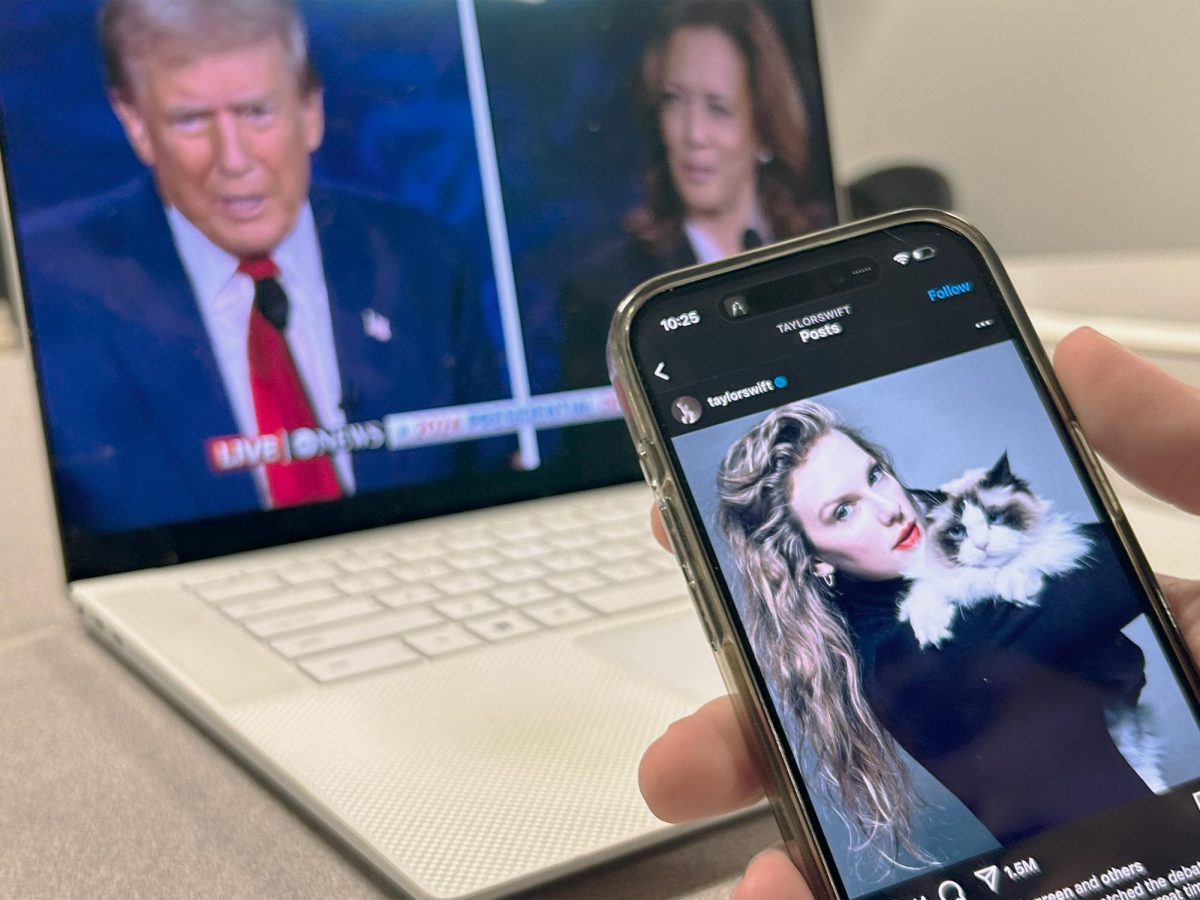
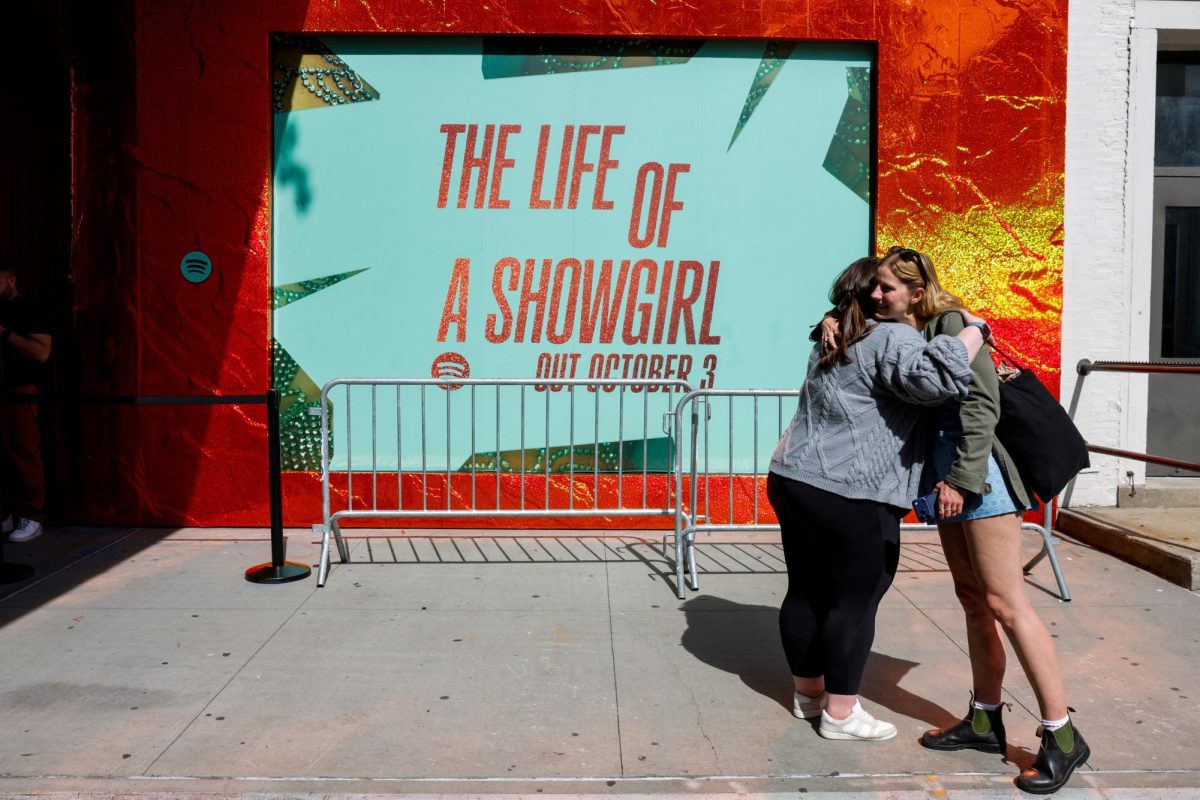
Singer, TV host and columnist Maren Wade sued Taylor Swift for copyright infringement over Swift’s 12th studio album, “The Life of a Showgirl.” Wade owns “Confessions of a Showgirl,” which started as a column for Las Vegas Weekly in 2014 and later turned into a podcast and show.
Swift’s album not only mimics its title structure but also its central idea, making it hard for fans to recognize the originality of Wade’s creativity.
Copyright protects a person’s unique expressions, like photographs, music, books, movies and more. In an industry built from creativity, it is important that artists and fans respect these guidelines so individuals can fully own their outputs without fearing replication.
To be protected under these guidelines, work must be original and fixed. For example, a song has to be created independently by a human author and recorded in a permanent way.
Any creator of something original and permanently captured automatically has copyright, but additional steps can be taken to advance its security. Registering it grants legal ownership and adds value to it as the public can see its permanence through the Copyright Public Records Portal. In the U.S., a product must be registered to be legally protected.
Especially in a competitive field like the entertainment industry, it is important for work to be protected, and the recent lawsuit filed against Swift amplifies this importance.
Wade has spent over a decade building her brand that provides a behind-the-scenes perspective into the entertainment industry – an idea that Swift also had for her album.
“Confessions of a Showgirl” was legally registered in 2015, granting Wade ownership and protection of her idea, and that should be respected by fans and artists in the industry.
The lawsuit identifies trademark infringement as well. Trademarks give ownership to authors by granting them the right to label and distribute products related to their work.
It is common to sell merchandise to promote and celebrate popular works in the entertainment industry. In stores or online, people can find shirts or mugs with their favorite movie or album title on it. This added exposure makes it increasingly important that authors are identified and recognized.
So, when Swift’s album takes over the showgirl labels in stores, it makes it difficult for fans to recognize and appreciate the authenticity of Wade’s idea. This disregards her authorship and the years she spent building her brand.
She’s also suing for unfair competition, which highlights that Swift’s album is one among many, but “Confessions of a Showgirl” is Wade’s only identifier. Swift’s large fanbase makes it difficult for Wade to compete with getting recognition for the idea. Their Instagram followings exemplify the popularity gap as Wade has just over 2,000 followers and Swift has 280 million.
Copyright laws exist for a reason. Wade’s time and effort spent on “Confessions of a Showgirl” over the last 12 years should not be forgotten because of Swift’s album, released a decade later.
A potential limitation of copyright law is the possibility for two people to have the same idea. Whoever has a record of it first owns it, leaving any following creators unable to share similar expressions.
In every case, existing work should be respected to give creators the recognition that they deserve.
Authorship rights are not only advantageous for artists but also for fans. People can appreciate the things they read or watch because they know it was created independently, not just a copy of something already made.
Respect artists’ authenticity and appreciate the uniqueness of their creations because copyright and trademark laws make originality possible.
This story was written by Amelia Lerret. She can be reached at [email protected].