
Obsessive fans are blurring the lines of their relationships with celebrities, putting individuals at risk of harm.
Many people have parasocial relationships — one-sided emotional bonds — with celebrities, public figures or fictional characters. These personal connections can develop through different media forms such as music, television and social media.
However, it becomes concerning when these relationships turn into obsessive fan behavior — an unhealthy fixation with a public figure or character. It can lead to negative psychological effects which can result in physical actions.
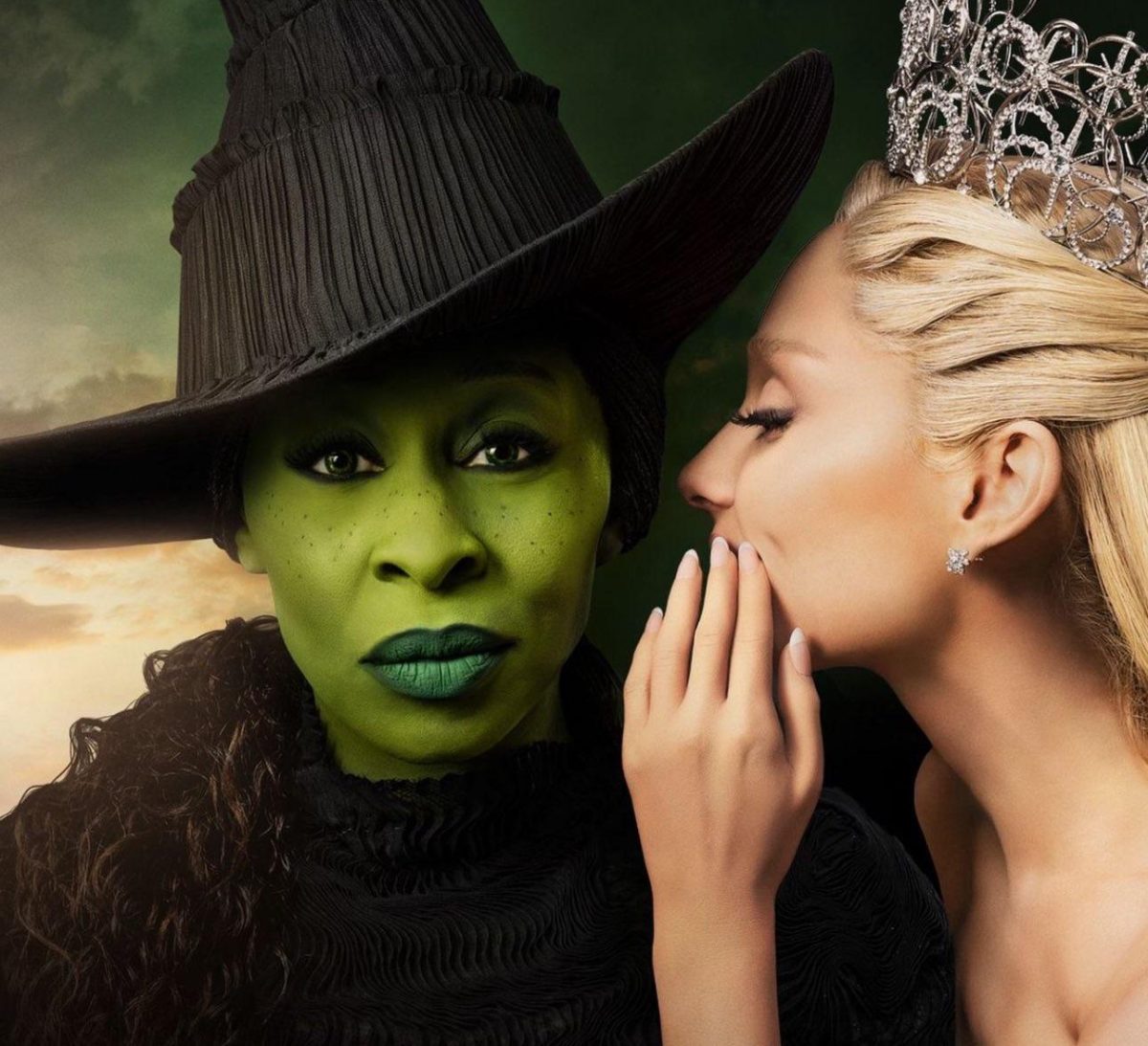
During the “Wicked: For Good” premiere in Singapore on Nov. 13, a man was caught on video running toward Ariana Grande, who plays Glinda in the film. The perpetrator, 26-year-old Australian Johnson Wen, was seen jumping the barriers blocking the red carpet and grabbing Grande’s shoulders.
The video shows Grande’s co-star, Cynthia Erivo, prying Wen off and then security escorting him out. Police arrested Wen the next day and charged him with public nuisance. He plead guilty and has been sentenced to nine days in prison.
Aggressive behavior towards anyone is terrifying because people may have their own mental health issues that we are unaware of. People have accused Wen of re-traumatizing Grande, considering her experience with post-traumatic stress disorder after a suicide bomb attack at her 2017 Manchester concert.
It demonstrates how we do not know what someone has been through or what is happening beneath their public façade.
Wen’s unusual behavior is even more frightening as he has a history of disrupting events and accosting celebrities, earning him the name of “serial intruder.” The Singapore episode revealed his identity, which was linked to previous celebrity-fan incidents.
Wen jumped onstage at Katy Perry’s Sydney concert in June 2025 and did the same at a concert for The Weeknd in October 2024.
Something more disturbing is that Wen has posted videos of these altercations on social media at his own accord. His Instagram page is full of videos of himself crashing concerts and sports events. Even the comment sections under his posts are calling Wen’s actions “traumatizing” and forms of “assault.”
These escalated parasocial relationships can be unnerving for celebrities, but they can also have negative impacts on the fans experiencing the one-sided connection. Growing attached to a celebrity or character can contribute to isolation and increase the risk of chronic health problems such as depression or anxiety. It becomes dangerous when those internal emotions transfer to potential physical harm like in Wen’s cases.
However, it does not stop at just stage invasions. There have been several cases of obsessive fan behavior that can vary from threatening fan mail to alarming stalking incidents.
During a 92NY interview event in August 2023 with singer Reneé Rapp, Drew Barrymore had an unexpected encounter with an alleged stalker.
The offender, Chad Busto, shouted Barrymore’s name from the audience and quickly approached the stage. Barrymore looked frozen in fear as he said, “I’m Chad Michael Busto, you know who I am. I need to see you at some point while I’m here in New York.”
Luckily, security officers jumped into action and Rapp swiftly escorted Barrymore off the stage.
Instances like these emphasize the importance of self-control. It can be difficult to remember that celebrities are real people, but the actions of crazed fans have real consequences. Famous people have a livelihood that does not revolve around their thousands of fans’ parasocial relationships.
When admiration turns into invasion, people are no longer fans; they are frightening fanatics.
This article was written by Rachel Lopera. She can be reached at r[email protected]