
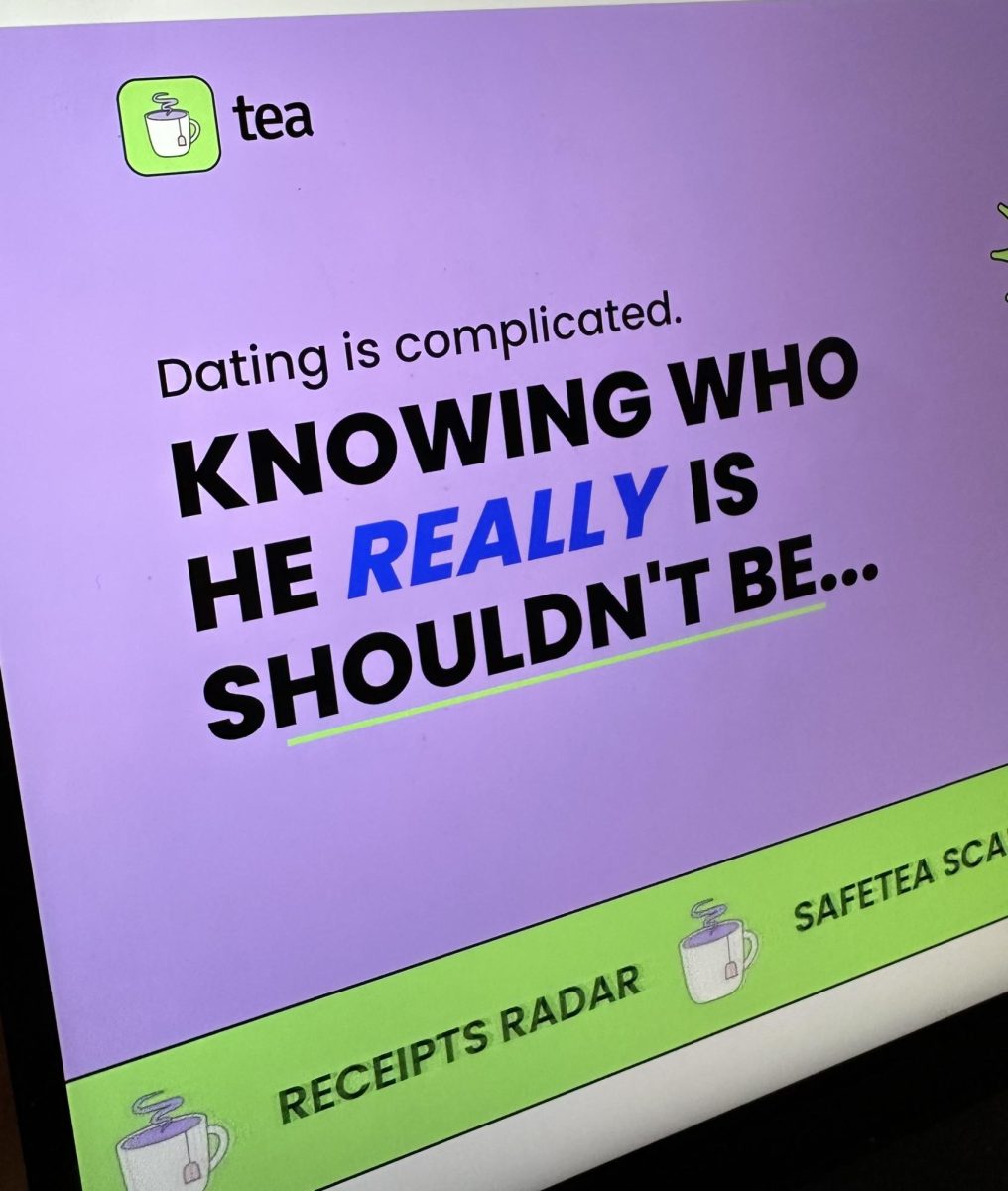
Anonymous posts shared on dating safety apps help inform and protect users, but this feature can be misused, causing legal problems that make accountability difficult to uphold when apps’ anonymity features are abused.
With over four million users worldwide, the popular women’s dating safety app, Tea, allows women to post anonymous reviews about men as a form of vetting. Users report on men they personally know, and those reviews help prospective partners learn more about that person. Particularly in today’s digital dating world filled with strangers, alerts of past harmful behavior are helpful in warning women of damaging patterns and habits.
Created by women, men’s profiles showcase their full name, phone number, location, estimated age, a picture and more.
Anonymity features like Tea’s grant users the freedom to express themselves authentically without fear of repercussions, and they encourage users to be bold and truthful.
When used appropriately, this feature is helpful in advancing dating safety. However, cases of misuse can lead to serious issues.
Anonymous sources become problematic when they falsely accuse or exaggerate men’s past behavior. Not only does this oppose the app’s purpose by misleading others, but it is also damaging to the subject of the claims.
To combat defamation from anonymous sources, Tea App Green Flags was created, which is a professional reputation management service. It provides 24/7 monitoring on apps like Tea and Facebook, promptly alerting clients of posts about them and handling their removal. People can also submit posts of defamation, and they will review the case and have it down within weeks.
According to Tea App Green Flags, thousands of defamatory posts have been taken down across platforms, highlighting the prevalence of harmful content. Many reviews also share personal experiences of how libelous content negatively impacted their lives.
Posts can vary from poking fun at a man’s height or hair color to fabrications of character that paint undeserving men in a false light. These inaccurate representations can taint their reputations, leading to troubles in future relationships.
Serious allegations, like sexual abuse, stalking or domestic violence are even more detrimental. When false claims are presented as fact, they can cause measurable reputational harm, which can trigger defamation lawsuits. When that line is crossed, it is not easy to resolve.
Lawsuits bring a significant set of challenges. While a man may have an idea of who posted defamatory content, identification must be proven, and the anonymity feature makes that information unavailable to the public.
The identity of the source can be identified in court, but legal action is not attainable for everyone as it requires time, money and emotional energy.
A court case that arose from anonymous posts in 2013 revealed how difficult suing a “John Doe” can be. Titled, Thomas M. Cooley Law School v. Doe 1, the case involved someone who created an anonymous blog that defamed the law school and claimed they steal students’ tuition money. This case demonstrates the obstacles anonymity poses as initial identification can be challenging, and legal protections can prevent its disclosure.
It is extremely difficult to sue for defamation because of Tea’s anonymity aspect, but one cannot sue the app itself either for providing the content.
The app is protected under Section 230 of the Communications Decency Act, which states that online platforms are not legally responsible for the content posted by its users, granting immunity to Tea.
Between the anonymity of users and the app’s legal protections, men who are defamed on Tea cannot easily restore their reputations.
The app allows reports for inappropriate posts and will take them down, when necessary, but that does not ensure they are gone forever. Screenshots can resurface removed posts, reaching more people as they circulate on social media platforms. This demonstrates the permanent impact anonymous posts can have on a person’s life, putting their careers and personal relationships at risk.
Tea cannot protect someone once defamatory content is posted, but it can make advancements to reduce the number of slanderous posts in the first place. To discourage users from posting exaggerated or false claims, various reminders of the consequences should be implemented to encourage ethical practice on the platform.
Tea is an advantageous system that advances women’s dating safety, but the anonymity feature puts the subjects of posts at risk and obstructs accountability. Users should remember the power their anonymous posts have when posting on platforms like Tea.
This story was written by Amelia Lerret. She can be reached at [email protected]